

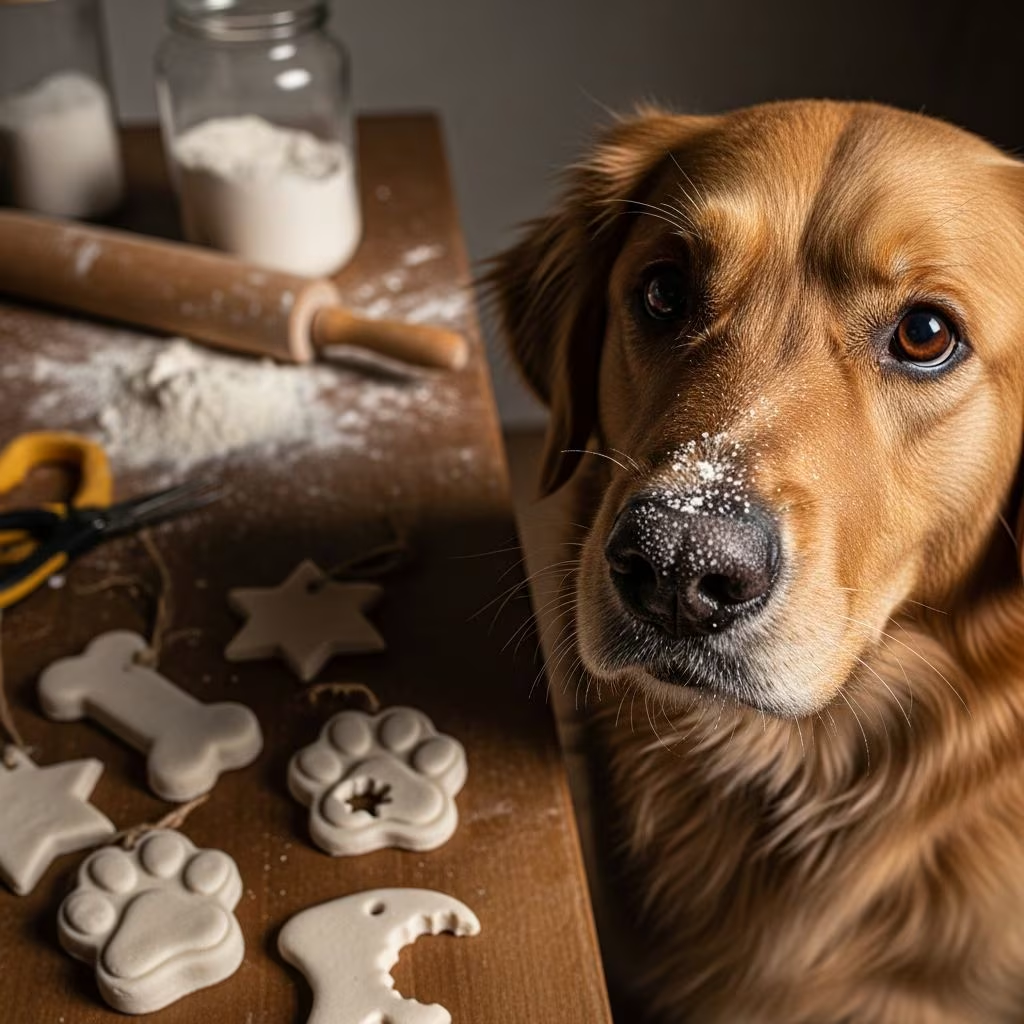
Many families embrace the tradition of crafting homemade decorations during festive seasons, with salt dough ornaments being a particularly popular choice for children’s craft projects and holiday displays. These simple creations, typically composed of flour, salt, and water, appear innocuous and even wholesome as handmade keepsakes. However, what makes them charming to humans renders them potentially life-threatening to our four-legged household members. The high sodium concentration present in these ornaments can trigger a serious medical condition in dogs that requires immediate veterinary attention.
What Comprises Salt Dough Ornaments and Why They’re Problematic
Salt dough ornaments represent a straightforward craft project, created by combining basic pantry ingredients. The mixture typically includes table salt, all-purpose flour, and water, which are then molded into decorative shapes and either air-dried or baked until hardened. Some variations may incorporate additional ingredients such as food coloring or essential oils to enhance their appearance or fragrance. Once dried, these ornaments become durable decorative pieces suitable for tree displays or year-round decoration.
The fundamental problem stems from the salt concentration used in the recipe. A single salt dough ornament can contain up to one cup of table salt (sodium chloride), which presents an enormous amount of sodium from a canine perspective. Dogs possess a significantly lower sodium tolerance compared to humans, making even modest quantities of salt-laden products capable of producing severe physiological reactions.
Beyond the chemical toxicity concern, physical complications can also develop. Depending on factors such as the ornament’s dimensions and the quantity consumed relative to the dog’s body weight, the ornament itself may prove difficult to digest or even obstruct the gastrointestinal tract, requiring surgical intervention.
The Science Behind Sodium Toxicity in Dogs
When a dog consumes excessive salt, it triggers a condition known as hypernatremia or salt toxicity, also referred to as salt poisoning or water-deprivation-sodium ion intoxication. This medical emergency occurs when sodium levels in the bloodstream climb to dangerous concentrations, disrupting the delicate electrolyte balance essential for normal cellular function.
The relationship between a dog’s size and salt toxicity is critically important. Toxic doses typically occur at approximately 2-3 grams of salt per kilogram of body weight. To illustrate the practical implications: a 20-pound Pug may experience toxicity from less than one-half tablespoon of salt, while an 80-pound Golden Retriever would require approximately 3.5 tablespoons to reach a toxic threshold. This variance means that smaller dogs face substantially greater risk from even modest exposure to salt dough products.
The sodium overwhelms the body’s regulatory mechanisms, affecting fluid balance and neurological function. Symptoms can manifest within just a few hours following ingestion, making rapid recognition and intervention essential for optimal outcomes.
Recognizing Salt Toxicity: Critical Warning Symptoms
Pet owners should remain vigilant for the following clinical signs that may indicate salt toxicity:
- Persistent vomiting or gastrointestinal distress
- Diarrhea or irregular bowel movements
- Diminished appetite or complete food refusal
- Excessive thirst and abnormally frequent urination
- General lethargy and reduced energy levels
- Loss of coordination or unsteady gait
- Visible muscle trembling or involuntary movements
- Convulsions or seizure activity
- Unconsciousness or comatose state
The severity of symptoms correlates with the quantity of salt consumed and the dog’s body weight. Initial presentations may appear mild, such as mild vomiting or increased thirst, but progression to neurological manifestations indicates a more serious condition requiring emergency intervention.
Immediate Actions to Take When Ingestion Occurs
If you discover that your dog has consumed a salt dough ornament, several critical steps should be taken immediately:
Contact veterinary professionals without delay. Even if your dog currently appears asymptomatic, professional guidance is essential. Most veterinarians recommend contacting them within the first few hours following suspected ingestion, as early intervention significantly improves outcomes.
Do not attempt home remedies. Inducing vomiting at home is not recommended without explicit veterinary direction, as this approach can sometimes cause additional harm depending on circumstances. Professional vomiting induction at a veterinary facility is controlled and monitored appropriately.
Provide complete information to your veterinarian. Be prepared to communicate the following details: the approximate size or weight of the consumed ornament, the time of ingestion, your dog’s current weight and age, any symptoms already observed, and the complete ingredient list if available.
Closely monitor for symptom development. During the critical window following ingestion, observe your dog for any behavioral changes or physical symptoms. Document the timing of symptom onset, which helps your veterinarian assess severity and progression.
Ensure adequate water availability. While waiting for veterinary evaluation, allow your dog unrestricted access to fresh, clean water. Dogs experiencing salt toxicity often experience increased thirst, and hydration becomes part of the treatment process.
Veterinary Treatment and Management Protocols
Upon arrival at a veterinary facility, diagnostic evaluation typically begins with blood work to assess sodium levels and overall organ function. The veterinarian may administer medication to induce vomiting, allowing for ornament removal if consumed recently. Activated charcoal may be administered to further support gastrointestinal decontamination.
Treatment focuses on gradually normalizing sodium levels through careful fluid therapy and electrolyte management. Aggressive or rapid sodium correction can paradoxically cause additional neurological complications, so veterinarians adjust treatment rates carefully based on the dog’s individual response and laboratory values.
Hospitalization may be necessary for dogs demonstrating neurological symptoms or those with severe toxicity. Supportive care, continuous monitoring, and medication to manage seizure activity may be required during recovery. In most cases, dogs that receive prompt professional intervention make complete recoveries, though the prognosis depends on the ingested quantity and how quickly treatment was initiated.
Understanding Other Salt Toxicity Sources
While salt dough ornaments represent a significant seasonal hazard, other household products and substances can trigger similar toxicity:
| Potential Source | Risk Level | Prevention Strategy |
|---|---|---|
| Homemade or store-bought Play-Doh | High | Store securely away from dog access |
| Heavily salted human snacks (chips, pretzels, salted nuts) | Moderate to High | Keep in sealed containers on high shelves |
| Rock salt for water softeners | Very High | Store in locked cabinet; never leave accessible |
| Deicing salt and road salt | Moderate | Rinse paws after outdoor exposure during winter |
| Cured or processed meats | Low to Moderate | Limit portions; monitor consumption |
Comprehensive Prevention Strategies for Pet Owners
Prevention represents the most effective approach to protecting your dog from salt toxicity incidents:
Safe Craft Alternatives
If crafting ornaments with children remains important to your family traditions, investigate salt-free alternatives available through craft supply retailers. Pet-safe dough recipes exist that utilize different binding agents and do not rely on sodium chloride. Always discuss any homemade recipe ingredients with your veterinarian before allowing dogs access to areas where these items are present.
Strategic Ornament Placement and Storage
Position salt dough ornaments on upper tree branches where dogs cannot reach them, regardless of the dog’s size. Small decorative items can sometimes be consumed even by well-behaved dogs. Once the holiday season concludes, store all ornaments in sealed containers placed in locations completely inaccessible to curious pets—high shelves, locked cabinets, or closed rooms where dogs never venture.
Controlled Craft Activities
If making salt dough ornaments at home, isolate your dog to a separate room or area during the crafting and drying process. Thoroughly clean all work surfaces and dispose of any dough scraps immediately in sealed trash containers. Even small fragments can pose a risk if consumed.
Household Vigilance
Maintain awareness of salt-containing products throughout your home, particularly during holiday seasons when numerous decorative items appear. Educate all family members, especially children, about the importance of keeping salt-related products away from dogs.
Frequently Asked Questions About Salt Dough and Canine Health
Can a very small piece of salt dough ornament harm a large dog?
Yes, toxicity risk exists regardless of dog size. While larger dogs have higher absolute salt thresholds, even small pieces can accumulate to concerning amounts. Any ingestion warrants veterinary evaluation.
How quickly do symptoms appear after salt dough consumption?
Symptoms typically manifest within several hours of ingestion. However, some dogs may not show signs immediately. This unpredictability necessitates professional evaluation rather than waiting to observe home symptoms.
Is salt dough toxicity fatal in dogs?
Without treatment, severe salt toxicity can prove fatal. However, with prompt veterinary intervention, most dogs recover fully. The outcome depends on the quantity consumed, the dog’s size, and how quickly treatment begins.
What should I do if my dog drinks salt water from a coastal area?
Contact your veterinarian if your dog has consumed substantial quantities of salt water. Similar toxicity mechanisms apply. Ensure freshwater availability and monitor for symptoms.
Are some dog breeds more susceptible to salt toxicity?
Smaller dog breeds face proportionally greater risk due to their lower body weight and lower absolute salt thresholds. Toy breeds and small dogs should be monitored especially carefully around salt-containing products.
Creating a Safe Holiday Environment for Your Dog
Holiday seasons, while festive for humans, can introduce stress and unfamiliar items into a dog’s environment. Beyond removing salt dough ornaments, consider creating a dedicated safe space for your dog away from holiday hustle and bustle. This dedicated area provides refuge when decorations are being displayed or removed, when visitors create commotion, and when the home’s usual routines are disrupted.
Maintain your dog’s normal feeding schedule, exercise routine, and sleep patterns as much as possible during holiday periods. Consistency helps reduce stress-related behavioral changes that might lead to unusual scavenging behavior or item consumption.
Conclusion: Knowledge Empowers Protection
Salt dough ornaments represent a well-intentioned craft tradition that carries significant hidden risks for household dogs. Understanding that these seemingly innocent decorative items contain dangerous sodium concentrations enables pet owners to make informed decisions about their use in homes with canine companions. By implementing prevention strategies, recognizing early warning symptoms, and responding promptly to suspected ingestion incidents, you can effectively protect your dog from this seasonal hazard. When accidents occur despite prevention efforts, knowledge of appropriate emergency response measures dramatically improves the likelihood of positive outcomes. Ultimately, the safest approach involves either eliminating salt dough ornaments from homes with dogs entirely or storing them in locations completely beyond canine reach.
References
- True or False? Homemade salt dough ornaments are toxic for pets — VCA Animal Hospitals. https://vcahospitals.com/resources/lifestyle-dog/hazards-safety/true-or-false-salt-dough-ornaments
- Is it serious if my 50 lb dog ate a small salt dough ornament earlier? — Dial A Vet. https://www.dialavet.com/vet-answers/dog-ate-salt-dough-ornament-serious-294571
- My Dog Ate a Salt Dough Ornament, What Should I Do? (Vet Answer) — Dogster. https://www.dogster.com/ask-the-vet/my-dog-ate-salt-dough-ornament
- Vets warning as dog eats Christmas tree ornament made of salt dough — Vets Now. https://www.vets-now.com/2019/12/dog-salt-poisoning/
- Take the “Oh No!” Out of Your and Your Pets’ Holiday “Ho-Ho-Ho!” — U.S. Food and Drug Administration. https://www.fda.gov/animal-veterinary/animal-health-literacy/take-oh-no-out-your-and-your-pets-holiday-ho-ho-ho



