

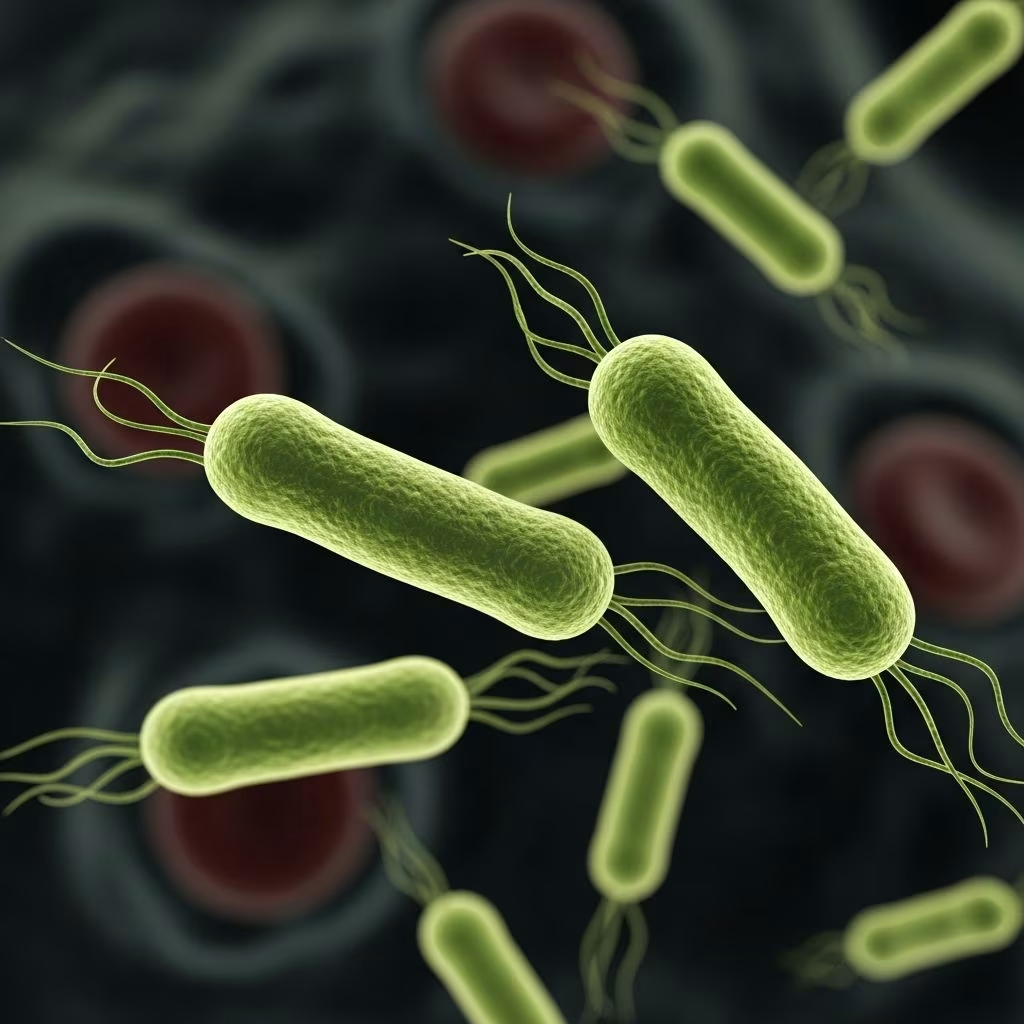
Salmonellosis represents one of the most significant infectious diseases affecting a broad spectrum of animal species, from farm livestock to household pets. Caused by bacteria belonging to the genus Salmonella, this condition poses not only immediate threats to animal welfare but also substantial risks to public health due to its zoonotic potential. Animals can exhibit a wide array of symptoms, ranging from mild digestive upset to life-threatening systemic infections, while many remain asymptomatic carriers that silently spread the pathogen through their environment.
Understanding the nuances of salmonellosis is crucial for veterinarians, farmers, and pet owners alike. This disease thrives in conditions of poor hygiene, overcrowding, and stress, making proactive management essential in both intensive farming operations and domestic settings. By delving into the biology of the pathogen, species-specific impacts, diagnostic approaches, and control strategies, animal caretakers can mitigate outbreaks and reduce transmission to humans.
The Nature of Salmonella Bacteria
Salmonella species are gram-negative, rod-shaped bacteria renowned for their resilience. Over 2,500 serotypes exist, with certain strains like S. Typhimurium, S. Dublin, and S. Newport being particularly prevalent in veterinary contexts. These microbes are facultative anaerobes, capable of surviving in diverse environments, including water, soil, and feed contaminated by feces.
Transmission primarily occurs fecal-orally. Infected animals shed bacteria in manure, contaminating pastures, water sources, bedding, and equipment. Wildlife, rodents, and birds serve as reservoirs, introducing the pathogen into clean herds. Vertical transmission through contaminated eggs or transplacental infection in utero further complicates control efforts.
- Factors enhancing spread: High stocking densities, inadequate sanitation, and introduction of carrier animals.
- Host susceptibility: Neonates and immunocompromised individuals face the highest risks due to immature or weakened immune responses.
- Environmental persistence: Salmonella can survive for months in moist conditions, amplifying outbreak potential.
Clinical Manifestations Across Species
The presentation of salmonellosis varies dramatically by animal age, species, and infecting strain. Neonates often suffer fulminant disease combining enteritis and septicemia, whereas adults typically experience localized gut inflammation or remain subclinical carriers.
Livestock: Cattle, Sheep, and Pigs
In calves under one month, infection triggers acute diarrhea, high fever (up to 41.5°C), dehydration, and shock, with mortality approaching 100% in untreated cases. Survivors rarely become long-term shedders, unlike adults who may carry S. Dublin for years in gut lymph nodes or tonsils. Sheep mirror this pattern, with lambs showing septicemic forms and ewes risking abortion.
Pigs, especially weanlings, develop hemorrhagic enteritis and fever; outbreaks in grow-finish units lead to chronic shedding in survivors. Adult swine often abort or exhibit mild diarrhea.
Horses and Foals
Foals present with profuse, fetid diarrhea, colic, and endotoxemia, necessitating intensive fluid therapy. Adult horses, particularly those stressed by transport or surgery, suffer acute colitis with laminitis risks. Carrier states persist up to 14 months, reactivating under stress.
Poultry and Companion Animals
Chicks and poults experience high mortality from septicemia, while layers shed via eggs, posing food safety hazards. Dogs and cats rarely show signs but can develop bloody diarrhea or septicemia after consuming raw diets. Reptiles and amphibians are frequent asymptomatic carriers.
| Species | Age Group Most Affected | Key Symptoms | Mortality Risk |
|---|---|---|---|
| Cattle | Neonates | Fever, diarrhea, septicemia | High (50-100%) |
| Pigs | Weanlings | Hemorrhagic enteritis, pneumonia | Moderate |
| Horses | Foals/Adults (stressed) | Colitis, laminitis | Variable |
| Dogs/Cats | Any | Diarrhea, lethargy | Low |
| Poultry | Chicks | Septicemia, huddling | High |
Pathophysiology: From Infection to Disease
Upon ingestion, Salmonella invades the intestinal mucosa via M cells in Peyer’s patches. It proliferates intracellularly, triggering inflammation and toxin release that disrupt fluid balance, causing diarrhea. In susceptible hosts, bacteremia leads to multi-organ dissemination, with endotoxins provoking shock.
Carrier states arise when immunity confines bacteria to tonsils, gut, or lymph nodes without systemic spread. Stressors like weaning, transport, or co-infections reactivate shedding.
Diagnostic Approaches
Confirming salmonellosis demands microbiological confirmation alongside clinical suspicion. Fecal culture remains gold standard, though selective media are needed to suppress competing flora like E. coli. Multiple samplings boost sensitivity for carriers.
Advanced tools include PCR for rapid detection and serotyping/phage typing for outbreak tracing. Blood or tissue cultures are vital for septic cases. Serology aids herd screening but lacks individual specificity.
- Gold standard: Repeated fecal isolation with biochemical/serological identification.
- Rapid tests: PCR, lateral flow assays for field use.
- Differentials: Viral enteritis, clostridiosis, coccidiosis—require targeted exclusion.
Treatment Strategies and Controversies
Supportive care—fluids, electrolytes, anti-endotoxins—is cornerstone for enteritis. Antimicrobials like fluoroquinolones or third-generation cephalosporins target systemic disease, but their use in enteric or carrier cases is debated. Antibiotics may suppress symptoms while promoting persistent shedding by disrupting gut flora.
Probiotics and motivated hygiene aid recovery. Cull or isolate confirmed carriers to halt spread.
Prevention and Control Measures
Control hinges on biosecurity: rodenticides, clean water/feed, all-in-all-out systems. Vaccination exists for calves and horses but wanes efficacy against diverse serovars. Acidifiers in feed reduce gut pH, inhibiting Salmonella.
- Herd-level: Test-and-remove carriers, quarantine new stock.
- Neonatal protection: Colostrum, hygiene in calving pens.
- Monitoring: Routine surveillance cultures.
Zoonotic Implications and Public Health
Animal salmonellosis fuels human cases via meat, eggs, pets, and manure runoff. Raw pet foods and reptile contact heighten risks for vulnerable groups. Handwashing, cooking, and pasteurization mitigate threats.
Frequently Asked Questions (FAQs)
What are the first signs of salmonellosis in calves?
Yellow, mucoid diarrhea, fever, and weakness typically appear within days of exposure.
Can dogs get salmonellosis from raw food diets?
Yes, raw meats often harbor Salmonella; monitor for diarrhea and seek vet care.
How long can animals shed Salmonella without symptoms?
Weeks to years, especially adults; stress triggers renewed shedding.
Is antibiotic treatment always recommended?
No, reserved for systemic cases due to carrier risk.
How to prevent outbreaks on farms?
Implement strict biosecurity, vaccinate where possible, and culture routinely.
References
- Salmonellosis in Animals – Digestive System — MSD Veterinary Manual. 2023. https://www.msdvetmanual.com/digestive-system/salmonellosis/salmonellosis-in-animals
- Salmonellosis in Animals – Digestive System — Merck Veterinary Manual. 2023. https://www.merckvetmanual.com/digestive-system/salmonellosis/salmonellosis-in-animals
- Salmonella in Dogs — PetMD. 2024. https://www.petmd.com/dog/conditions/digestive/salmonella-dogs
- Get the Facts about Salmonella — U.S. Food and Drug Administration (FDA). 2023-05-01. https://www.fda.gov/animal-veterinary/animal-health-literacy/get-facts-about-salmonella
- Salmonellosis: An Overview of Epidemiology, Pathogenesis — PMC (NCBI). 2024. https://pmc.ncbi.nlm.nih.gov/articles/PMC10812683/
- Salmonellosis: Background, Management and Control — Cornell University College of Veterinary Medicine. 2023. https://www.vet.cornell.edu/animal-health-diagnostic-center/programs/nyschap/modules-documents/salmonellosis-background-management-and-control
- Pets, Poultry, and Salmonella — American Veterinary Medical Association (AVMA). 2024. https://www.avma.org/resources-tools/pet-owners/petcare/pets-poultry-and-salmonella



