

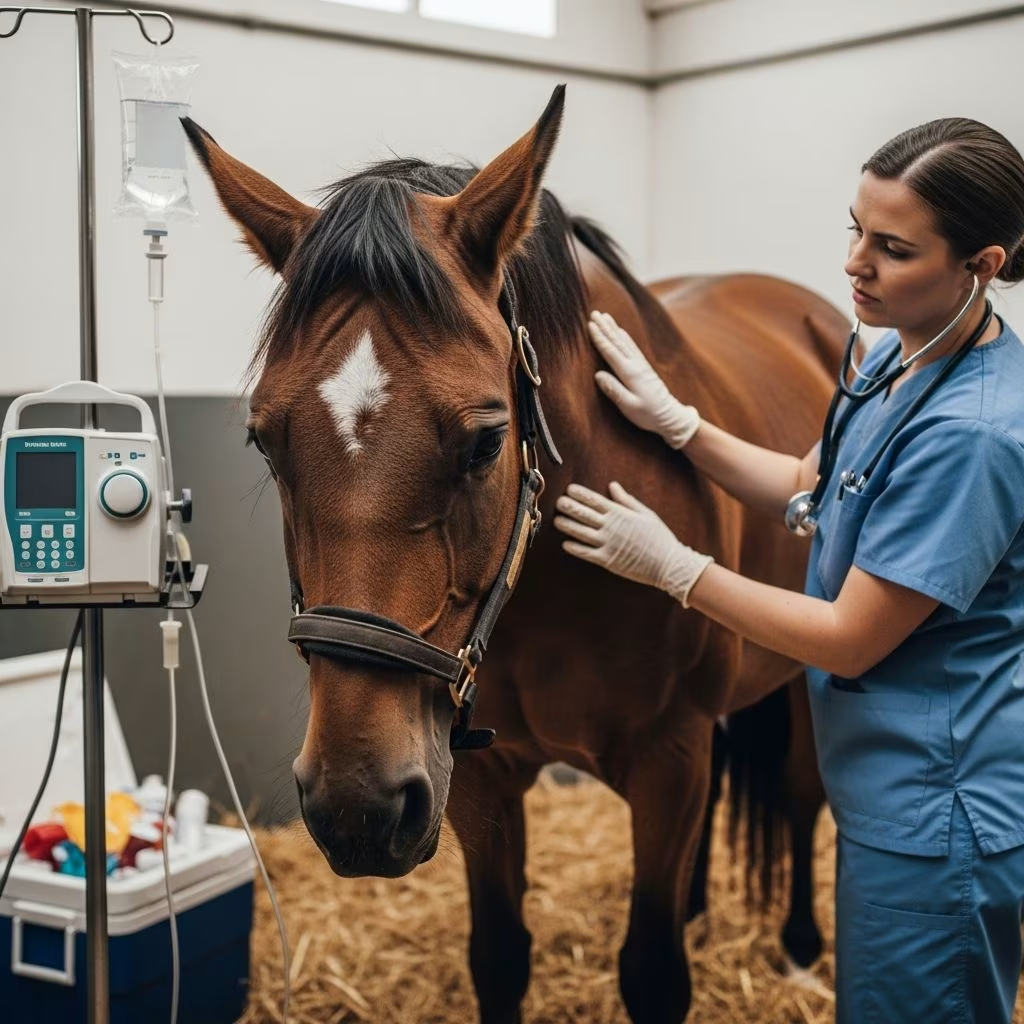
Salmonella infection represents a significant challenge in equine medicine, affecting horses across various age groups and management settings. This gram-negative bacterium triggers acute inflammatory responses within the gastrointestinal tract, potentially progressing to life-threatening systemic complications. Understanding the pathophysiology, recognition of clinical manifestations, and appropriate therapeutic interventions are essential for veterinary professionals managing affected equines.
Understanding the Disease Process
Equine salmonellosis encompasses a spectrum of clinical presentations that range from subclinical carrier states to severe, life-threatening enterocolitis. The disease’s variability stems from multiple factors including host immune status, bacterial strain virulence, and environmental stressors. When the pathogen colonizes the intestinal tract, it initiates a cascade of inflammatory responses that compromise intestinal barrier integrity and permit bacterial translocation into systemic circulation.
The progression from localized gastrointestinal infection to systemic disease involves endotoxin release from bacterial cell walls. These lipopolysaccharides trigger widespread inflammation, cardiovascular instability, and multiple organ dysfunction when absorbed across a damaged intestinal mucosa. The severity of this response determines whether horses develop mild clinical signs or rapidly deteriorate into septic shock.
Clinical Manifestations in Different Age Groups
Presentation in Neonatal and Young Foals
Foals represent a particularly vulnerable population due to their developing immune systems and increased susceptibility to rapid systemic infection. Transmission occurs through contaminated colostrum, bedding materials, or environmental fecal matter. The clinical urgency in foals cannot be overstated, as deterioration progresses extremely rapidly, sometimes within 24 to 48 hours of initial exposure.
- Marked depression and lethargy progressing to recumbency
- High fever, typically exceeding 103°F
- Loose or watery fecal material without formed consistency
- Respiratory distress indicating systemic compromise
- Lameness or refusal to bear weight on affected limbs
- Septicemia developing rapidly without intervention
Early recognition and immediate veterinary intervention are critical for foal survival. Even minor behavioral changes warrant thorough diagnostic evaluation in at-risk neonates.
Manifestations in Mature Horses
Adult equines demonstrate more variable clinical presentations, though the potential for severe disease progression remains substantial. Unlike foals, mature horses may initially show minimal systemic signs while harboring significant intestinal inflammation.
- Profuse watery or blood-tinged diarrhea with characteristic foul odor
- Severe colic or abdominal pain of variable intensity
- Rapid dehydration from massive fluid losses
- Fever ranging from 104°F to 106°F
- Complete anorexia and depression
- Tachycardia and signs of cardiovascular compromise
- Bright red or congested mucous membranes indicating endotoxemia
Some mature horses may exhibit entirely subclinical infection, shedding viable bacteria in feces without demonstrating clinical illness. These asymptomatic carriers pose significant transmission risks within group housing situations or shared facilities.
Diverse Clinical Syndromes
Research has identified eight distinct clinical presentations of equine salmonellosis, reflecting the organism’s variable pathogenic expression:
- Peracute diarrhea with rapid clinical deterioration
- Acute diarrheal disease with systemic signs
- Chronic diarrhea persisting beyond initial episode
- Mild colic without diarrheal component
- Moderate colic followed by subsequent diarrhea development
- Severe colic that precedes diarrheal onset
- Persistent colic with characteristic gastric reflux
- Asymptomatic fecal shedding without clinical signs
This diversity in presentation complicates early diagnosis and necessitates a comprehensive diagnostic approach in horses with acute gastrointestinal disease.
Diagnostic Approach and Confirmation
Presumptive diagnosis often precedes confirmatory testing due to the severity of clinical disease and need for immediate intervention. Veterinarians cannot afford to delay treatment while awaiting culture results, as untreated colitis rapidly leads to dehydration, electrolyte abnormalities, protein-losing enteropathy, and secondary laminitis.
Fecal culture remains the standard confirmatory method for enteric salmonellosis. However, bacterial shedding is intermittent, requiring multiple samples collected over several days to maximize detection probability. Culture results typically require 48 to 72 hours for organism identification and antimicrobial susceptibility determination.
In horses demonstrating signs of systemic infection or sepsis, blood culture may provide more definitive evidence of bacteremia. Hematologic and biochemical evaluation provides crucial prognostic information and guides therapeutic decision-making regarding fluid composition, electrolyte supplementation, and supportive care intensity.
Therapeutic Approach and Treatment Strategy
Foundational Principles of Management
Treatment of equine salmonellosis fundamentally differs from management of many other bacterial infections. Aggressive antimicrobial therapy, paradoxically, may worsen outcomes by further disrupting the protective microbiota and increasing endotoxin release from bacterial cell lysis. Current evidence supports a primarily supportive approach with judicious antimicrobial selection based on clinical necessity rather than empiric administration.
The cornerstone of successful management involves intensive supportive care addressing the primary complications of severe colitis rather than targeting the causative organism.
Fluid Resuscitation Protocol
Horses with salmonella-induced diarrhea experience profound fluid losses requiring replacement volumes often exceeding 100 liters daily. Intravenous polyionic fluid administration restores intravascular volume, maintains organ perfusion, and supports cardiovascular function during the critical phase of illness.
Careful monitoring of serum electrolyte concentrations guides precise adjustment of fluid composition. Potassium, sodium, and chloride losses in diarrheal fluid create electrolyte derangements that impair cardiac function and muscle contractility if not corrected. Repeated blood work allows clinicians to tailor fluid therapy to individual patient requirements rather than utilizing standard protocols.
In horses developing hypoproteinemia from intestinal protein loss, colloidal fluid products provide oncotic support that reduces ongoing fluid extravasation from the intravascular space. These specialized fluids help maintain circulating protein content and reduce total fluid requirements.
Antimicrobial Considerations
The use of antimicrobial therapy in salmonellosis remains controversial. While some systemic infections require antimicrobial intervention, indiscriminate antibiotic use disrupts the normal intestinal flora that provides colonization resistance against pathogenic organisms. Additionally, bacterial cell lysis releases endotoxins that exacerbate the inflammatory cascade.
Antimicrobial therapy may be indicated when blood cultures confirm bacteremia or when horses demonstrate severe neutropenia (abnormally low white blood cell counts). When therapeutically necessary, oxytetracycline represents the preferred choice for its activity against various enteric pathogens and additional benefits in endotoxin management. Culture and susceptibility data should guide selection when available.
Many cases of uncomplicated enteric salmonellosis resolve completely without antimicrobial therapy when supportive care is optimized.
Anti-inflammatory Management
Non-steroidal anti-inflammatory drugs play a critical role in salmonellosis management by reducing intestinal inflammation and, importantly, preventing laminitis development. Flunixin meglumine significantly reduces the inflammatory response and blocks the systemic effects of endotoxin absorption.
Polymyxin B antibiotics provide dual benefits by exhibiting antimicrobial activity while simultaneously binding circulating endotoxins and preventing their interaction with cellular receptors. This endotoxin-neutralizing capability can reduce shock progression and organ dysfunction.
Toxin Neutralization Strategies
Oral toxin binders such as di-tri-octahedral smectite (commonly marketed as Bio-Sponge) help prevent intestinal absorption of bacterial toxins and endotoxins released within the gastrointestinal lumen. These clay-based products bind toxins within the intestinal tract, preventing translocation into systemic circulation where they trigger widespread inflammation.
Antiendotoxin antibodies derived from equine plasma provide circulating antibodies that bind endotoxins already present in the bloodstream. These blood products contain specific antibodies against lipopolysaccharide components, preventing endotoxin-mediated cellular activation and reducing shock progression.
Adjunctive Supportive Measures
Severe salmonellosis may require additional supportive interventions including plasma infusions to replace lost proteins and provide immunological support. Lower limb cryotherapy reduces the risk of laminitis development by decreasing digital arterial blood flow and tissue inflammation in the susceptible hoof tissues.
Parenteral nutritional support becomes necessary when diarrhea persists beyond several days, providing essential calories and amino acids during periods when intestinal function remains severely compromised and oral intake is impossible.
Prognostic Indicators and Timeline
Recovery from uncomplicated salmonellosis typically occurs within 7 to 10 days of disease onset when aggressive supportive treatment is implemented. Horses developing diarrhea lasting beyond 10 days face a guarded prognosis due to extensive mucosal damage, chronic intestinal inflammation, and likelihood of developing secondary complications.
The prognosis spectrum ranges from excellent recovery with minimal lasting effects to poor outcomes complicated by laminitis, chronic intestinal dysfunction, or septic shock. Severity at presentation, speed of therapeutic initiation, and responsiveness to supportive care all influence ultimate outcomes.
Prevention and Farm Management
Environmental Control Measures
Preventing salmonella transmission depends primarily on environmental management and hygiene practices rather than antimicrobial strategies. Regular stall cleaning with removal of soiled bedding reduces environmental bacterial load. Hot water and disinfectants effectively eliminate salmonella from contaminated surfaces.
Quarantine protocols for newly arrived horses prevent introduction of asymptomatic carrier animals into susceptible populations. Isolation for a minimum of 7 to 10 days with separate facilities reduces transmission risk to resident animals.
Management of Stress Factors
Asymptomatic horses shedding salmonella may develop active clinical infection when exposed to stress factors including transport, dietary changes, concurrent illness, or intensive competition schedules. Minimizing stressors protects both shedding animals and susceptible herdmates.
Nutritional support with quality forage, appropriate grain supplementation, and adequate water availability maintains immune function and intestinal health. Regular veterinary health maintenance and parasite control programs support optimal immune competence.
Monitoring and Aftercare
Horses recovering from acute salmonellosis require extended monitoring even after clinical signs resolve. Some animals continue shedding bacteria in feces for weeks to months post-recovery. These carrier horses should be managed separately when possible to prevent transmission to susceptible individuals.
Dietary modifications during recovery include gradual reintroduction of forage and concentrates as diarrhea resolves and appetite returns. Small frequent meals tolerate better than large rations in recovering horses with compromised intestinal barrier function.
Post-recovery laminitis may develop even after systemic signs resolve, requiring ongoing monitoring of hoof health and appropriate management of weight-bearing limbs.
References
- Suspected Salmonellosis in Horses: What Do You Do? — The Horse Magazine. 2024. https://thehorse.com/1116075/suspected-salmonellosis-in-horses-what-do-you-do/
- Equine Salmonellosis — O’Leno Large Animal Veterinary Services. https://www.olenovet.com/equine-salmonellosis.php
- Salmonella Infection in Horses: Risk Factors, Symptoms & Prevention — Mad Barn Equine. https://madbarn.com/salmonella-infection-in-horses/
- Enteric Salmonellosis in Horses — Purdue Animal Disease Diagnostic Laboratory. 2005. https://www.addl.purdue.edu/newsletters/2005/winter/equine-es.htm
- Diagnosis and Treatment of Undifferentiated and Infectious Acute Diarrhea in Horses — PMC National Center for Biotechnology Information. 2020. https://pmc.ncbi.nlm.nih.gov/articles/PMC7134835/
- Salmonellosis — UC Davis School of Veterinary Medicine. https://ceh.vetmed.ucdavis.edu/health-topics/salmonellosis
- Get the Facts about Salmonella — U.S. Food and Drug Administration. 2024. https://www.fda.gov/animal-veterinary/animal-health-literacy/get-facts-about-salmonella



