

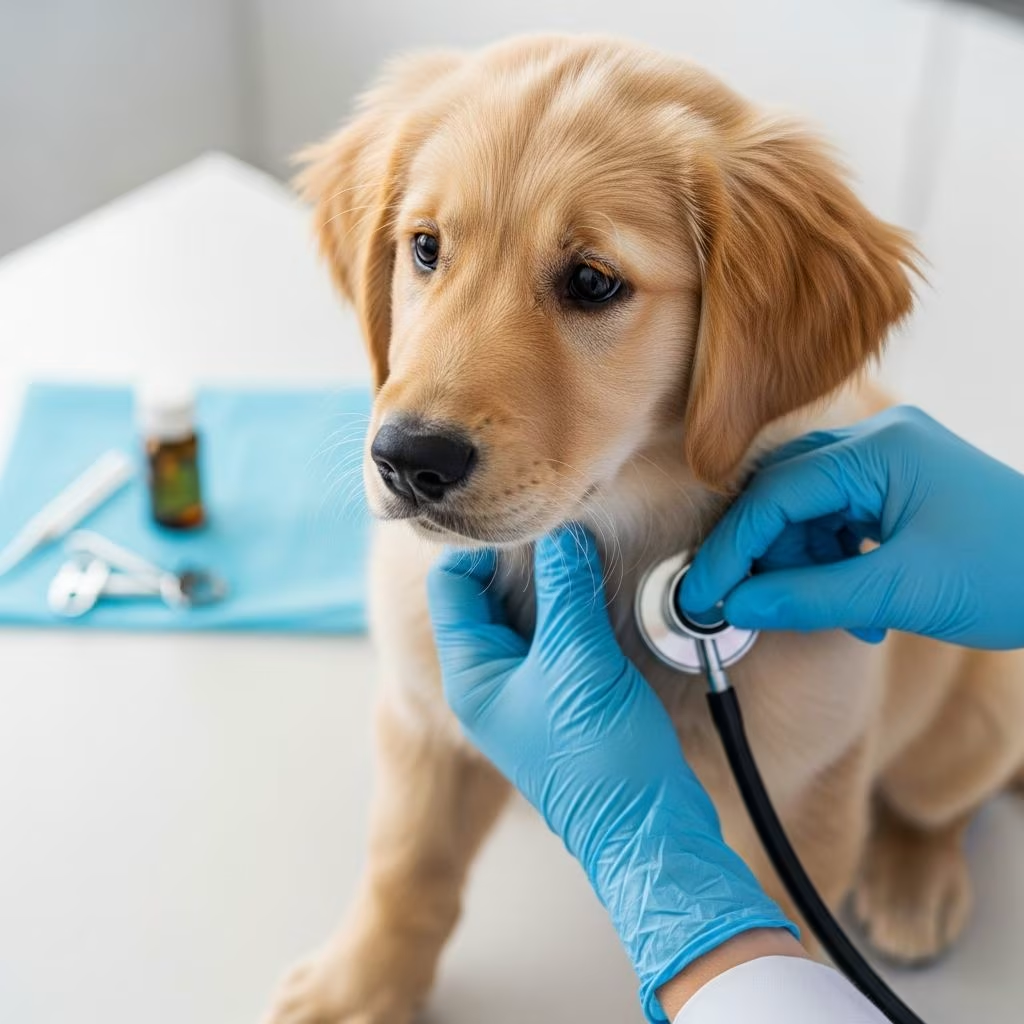
Understanding Bacterial Transmission in Domestic Dogs
Salmonella represents a significant bacterial pathogen affecting canine populations worldwide, yet many pet owners remain unaware of its prevalence and potential consequences. Research indicates that approximately 2.5 percent of dogs carry salmonella bacteria within their gastrointestinal tract, though the majority demonstrate no clinical manifestations of infection.
Dogs acquire salmonella through multiple pathways, with dietary exposure representing one of the most common routes. Consumption of raw or undercooked meat products, including poultry, beef, and game animals, poses considerable risk. Additionally, contaminated food surfaces, water sources, and environmental materials can facilitate bacterial transmission. Hunting and outdoor-access dogs face elevated exposure risk compared to their indoor-only counterparts, as they encounter wildlife and natural environments harboring these organisms.
Distinguishing Asymptomatic Carriers from Symptomatic Cases
One of the most challenging aspects of canine salmonellosis involves the silent nature of many infections. Approximately 45 percent of infected dogs exhibit no observable symptoms whatsoever, yet these animals remain capable of shedding bacteria through fecal material and contaminating their environment, including household surfaces and shared spaces with human family members.
This asymptomatic carrier state creates a public health concern, as infected dogs can transmit the pathogen to humans through direct contact or indirect environmental contamination. Pet owners must understand that the absence of visible illness does not indicate the absence of infection, making hygiene practices essential even when dogs appear perfectly healthy.
Identifying Clinical Signs and Symptom Progression
When symptoms do manifest in infected canines, they typically emerge between three to five days following bacterial ingestion. Symptomatic presentation varies considerably depending on the dog’s immune status, age, and overall health condition.
Common Gastrointestinal Manifestations
- Acute-onset diarrhea, frequently accompanied by visible blood or mucus
- Persistent vomiting and gagging
- Significant appetite suppression or complete food refusal
- Abdominal discomfort, evidenced by posturing or reluctance to move
- Straining during bowel movements accompanied by obvious distress
- Visible dehydration signs including dry mucous membranes and skin tenting
Systemic Symptoms Requiring Veterinary Attention
- Elevated body temperature (fever)
- Lethargy and marked reduction in activity levels
- Increased heart rate and respiratory effort
- Swollen lymph nodes palpable throughout the body
- Depression and behavioral changes indicating systemic illness
Risk Stratification and Vulnerable Populations
Certain canine populations demonstrate significantly elevated susceptibility to developing symptomatic salmonellosis. Understanding these risk factors enables pet owners to implement heightened preventive measures and recognize early warning signs more readily.
| Risk Factor Category | Affected Dog Populations | Vulnerability Explanation |
|---|---|---|
| Age-Related Factors | Puppies and geriatric dogs | Immature or declining immune function reduces bacterial containment |
| Immunological Status | Dogs with suppressed immune systems | Compromised defense mechanisms allow bacterial proliferation |
| Medical History | Recently hospitalized animals | Stress and prior illness deplete immune reserves |
| Antibiotic Exposure | Dogs on prolonged antibiotic therapy | Disrupted normal bacterial flora enables pathogenic growth |
| Environmental Stress | Dogs experiencing elevated stress levels | Stress hormones suppress immune function and gut barrier integrity |
| Dietary Choices | Dogs consuming raw meat diets | Direct exposure to contaminated food sources increases infection risk |
Diagnostic Approaches and Identification Procedures
Diagnosing canine salmonellosis presents considerable challenges to veterinary professionals, as clinical signs overlap significantly with numerous other gastrointestinal conditions. A comprehensive diagnostic approach combines multiple assessment modalities to confirm bacterial presence and severity.
Initial Evaluation Components
- Detailed medical history review examining dietary practices and environmental exposures
- Thorough physical examination assessing hydration status, abdominal palpation, and lymph node evaluation
- Temperature measurement to identify fever patterns
- Assessment of mucous membrane color and capillary refill time
Laboratory and Imaging Confirmatory Tests
- Fecal culture analysis specifically identifying salmonella organisms
- Microscopic fecal smear examination revealing bacterial morphology
- Molecular testing detecting salmonella DNA through advanced techniques
- Complete blood count and serum chemistry panel evaluating systemic effects
- Blood cultures when septicemia is clinically suspected
- Abdominal ultrasound imaging revealing gastrointestinal tract changes
The combination of clinical findings, fecal analysis results, and laboratory values allows veterinarians to differentiate salmonellosis from other conditions and assess disease severity, enabling appropriate treatment planning.
Therapeutic Management and Recovery Protocols
Treatment philosophy for canine salmonellosis emphasizes supportive and symptomatic care, recognizing that the dog’s immune system ultimately controls bacterial clearance. The approach differs significantly based on infection severity and systemic involvement.
Supportive Care Foundation
Most dogs with salmonellosis require only supportive management, which addresses the physiological consequences of gastrointestinal inflammation and bacterial toxin effects. Intravenous fluid therapy represents a cornerstone intervention, restoring hydration status and correcting electrolyte imbalances that result from fluid losses through vomiting and diarrhea.
Dietary management involves temporary transition to bland, easily digestible food formulations that minimize gastrointestinal irritation while maintaining nutritional intake. Many veterinarians recommend brief fasting periods followed by introduction of boiled rice, plain chicken, or commercial bland diet formulations. Gradual transition back to regular diet occurs as gastrointestinal function normalizes and appetite improves.
Antibiotic Considerations and Resistance Management
Antibiotic usage in canine salmonellosis remains controversial within veterinary medicine. While antimicrobial therapy might intuitively seem beneficial against bacterial infections, evidence suggests potential drawbacks that influence treatment recommendations.
Antibiotics are reserved exclusively for dogs demonstrating systemic infection (septicemia) or those with severely compromised immune systems. The rationale reflects concerns about antibiotic resistance development and disruption of normal gastrointestinal bacterial flora. Broad-spectrum antibiotics can eliminate beneficial bacteria that normally compete with pathogenic organisms, potentially prolonging infection or enabling secondary bacterial overgrowth.
When antibiotic therapy becomes necessary for septic animals, choices may include ampicillin, fluoroquinolones, or third-generation cephalosporins, typically administered for up to six days with daily dosing schedules.
Advanced Therapeutic Interventions
Severe infections may require more intensive interventions beyond basic supportive care. Hospitalization enables continuous monitoring, aggressive fluid resuscitation, and administration of medications controlling fever and inflammation. Feeding tubes may be necessary when prolonged anorexia compromises nutritional status. Probiotics and fecal microbiota transplantation show promise in restoring normal intestinal bacterial populations and enhancing recovery. Anti-nausea medications improve comfort and allow dogs to maintain oral intake when vomiting would otherwise prevent dietary rehabilitation.
Prognosis Variation Based on Disease Severity
Recovery outcomes depend critically on infection severity and timeliness of medical intervention. Mild to moderate cases involving primarily gastrointestinal symptoms typically resolve completely within days to weeks with supportive care alone, and prognosis remains excellent.
Dogs developing septicemia, where bacteria invade the bloodstream and spread systemically, face considerably more guarded prognoses. These severe infections may require weeks of intensive hospitalization, multiple medications, and aggressive supportive measures. Without prompt treatment, septic infections can progress to shock and death, though many dogs do survive with appropriate intensive care.
The vast majority of infected dogs never develop severe disease, as their immune systems effectively control bacterial proliferation. However, the unpredictability of individual responses necessitates prompt veterinary evaluation whenever concerning symptoms appear.
Zoonotic Transmission and Human Health Considerations
Pet owners must recognize that salmonella represents a zoonotic pathogen, meaning transmission to human family members remains possible. Dogs with active infection shed large quantities of bacteria through their feces, contaminating their environment and creating exposure risk for household inhabitants.
Close contact with infected dogs, particularly poor hand hygiene after contact or before eating, increases human infection risk. Pregnant women, young children, elderly individuals, and immunocompromised people face elevated severity risk if infected. Proper hygiene practices including hand washing after animal contact, surface disinfection, and separation of pet feeding areas from human food preparation spaces significantly reduce transmission likelihood.
Environmental Contamination and Household Management
Salmonella organisms survive on environmental surfaces for variable periods, creating potential ongoing infection sources. Fortunately, most common household disinfectants effectively eliminate the bacteria when applied appropriately.
Pet owners should prioritize cleaning and disinfection of food and water bowls, bedding materials, and surfaces frequented by the infected dog. Proper waste disposal of contaminated fecal material and thorough hand hygiene following cleanup activities minimize environmental contamination and human exposure risks. These measures protect both household members and other pets from secondary infection.
Prevention Strategies and Infection Risk Reduction
Preventing salmonella infection involves multiple complementary approaches addressing dietary risk, environmental exposure, and health maintenance.
Dietary Prevention Measures
- Cooking all meat products thoroughly before feeding to eliminate surface bacteria
- Following food safety guidelines when preparing homemade dog diets
- Avoiding raw meat feeding practices, particularly raw poultry products
- Storing pet food and treats in sealed containers preventing contamination
- Discarding any food items showing signs of spoilage or contamination
Health Optimization and Immune Support
- Maintaining current vaccination status and routine preventive care
- Minimizing unnecessary antibiotic exposure that disrupts protective bacterial flora
- Managing stress through appropriate exercise, socialization, and enrichment
- Providing balanced nutrition supporting optimal immune function
- Monitoring for and treating underlying health conditions promptly
Environmental Control Measures
- Limiting access to wildlife, carrion, and contaminated water sources
- Practicing proper hygiene after outdoor activities and play
- Separating infected dogs from other household pets during active infection
- Restricting infected dogs from shared sleeping areas until recovery completes
When to Seek Emergency Veterinary Care
While most salmonella infections resolve with appropriate supportive care, certain presentation patterns warrant immediate veterinary evaluation. Symptoms including persistent high fever, signs of shock (weakness, pale gums, rapid heart rate), uncontrolled weight loss, or bloody diarrhea lasting longer than three to four weeks indicate severe infection requiring urgent assessment. Pregnant dogs experiencing miscarriage or abortion represents another emergency scenario associated with severe salmonellosis. Pet owners should contact veterinary professionals immediately when these serious signs develop.
Long-Term Management and Monitoring Following Recovery
After clinical recovery, some dogs continue shedding bacteria for extended periods, representing ongoing transmission risk. Continued emphasis on hygiene practices and monitoring for symptom recurrence protects human family members and other pets. Most recovered dogs develop some protective immunity but remain susceptible to reinfection, particularly through continued exposure to contaminated food sources or environmental reservoirs.
References
- Salmonella Poisoning in Dogs – Causes, Treatment and Prevention — Vetster. Accessed February 2026. https://vetster.com/en/conditions/dog/salmonella-poisoning
- Salmonella in Dogs — PetMD. Accessed February 2026. https://www.petmd.com/dog/conditions/digestive/salmonella-dogs
- Can Dogs Get Salmonella: Salmonella Poisoning & Your Dog’s Health — Animal Hospital of Augusta. 2023-08-15. https://www.hahaugusta.com/site/blog/2023/08/15/can-dogs-get-salmonella
- Get the Facts about Salmonella — U.S. Food and Drug Administration. Accessed February 2026. https://www.fda.gov/animal-veterinary/animal-health-literacy/get-facts-about-salmonella
- Salmonellosis in Animals – Digestive System — Merck Veterinary Manual. Accessed February 2026. https://www.merckvetmanual.com/digestive-system/salmonellosis/salmonellosis-in-animals



