

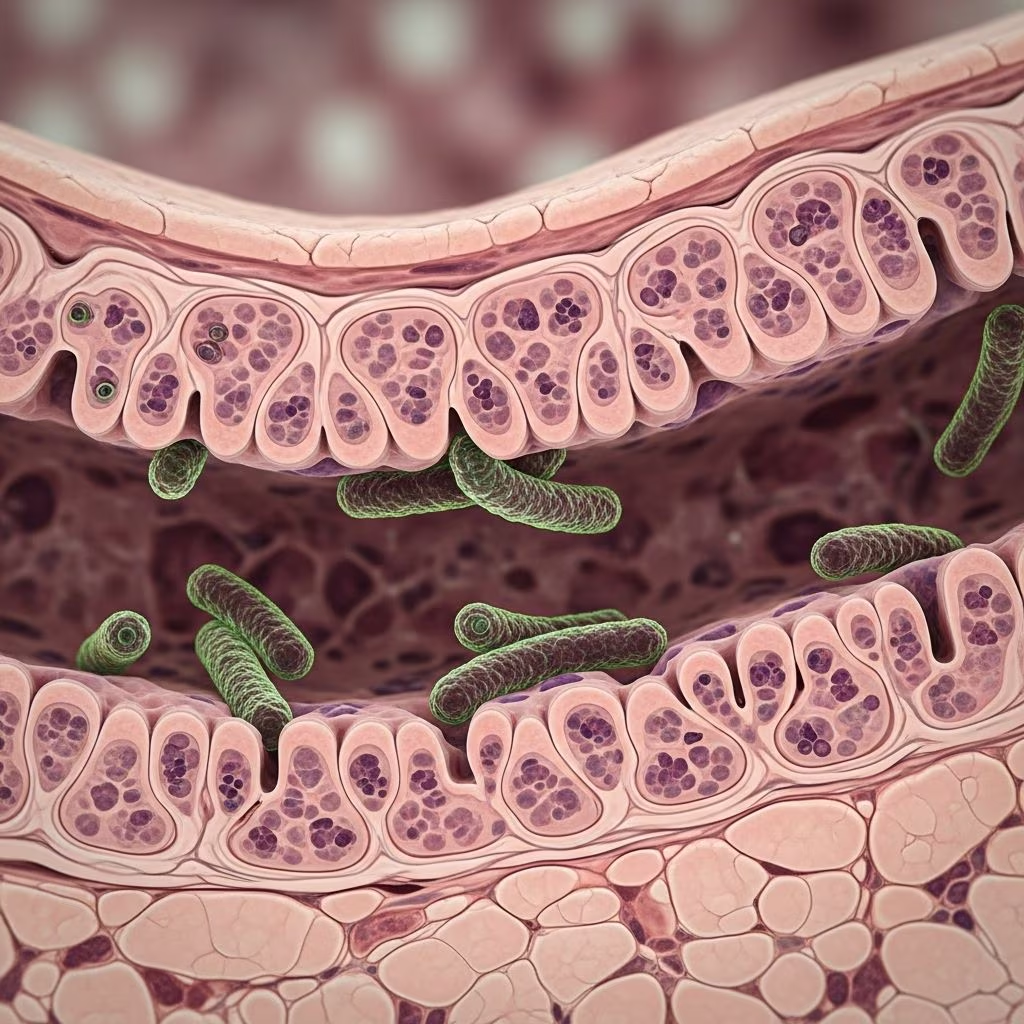
Salmonella bacteria pose a significant threat to pig health, particularly causing intestinal diseases that lead to diarrhea, reduced growth, and potential spread to humans via contaminated meat. This article delves into the nature of these infections, their manifestations in swine, diagnostic approaches, treatment options, and proactive prevention measures to safeguard herd productivity.
Understanding the Pathogen Behind Porcine Salmonella Infections
Salmonella organisms are gram-negative rods responsible for a range of illnesses in livestock, with pigs being particularly susceptible to certain serotypes. In swine, the primary culprits for intestinal issues include Salmonella Choleraesuis, Salmonella Typhimurium, and the emerging Salmonella 4,,12:i:-, which target the gut lining and can trigger severe inflammation.
These bacteria thrive in warm, moist environments and spread easily through fecal-oral routes. Pigs acquire the pathogen from contaminated feed, water, soil, or carrier animals. Unlike other livestock, pigs often serve as reservoirs, shedding bacteria intermittently even without symptoms, complicating control efforts.
Recognizing Clinical Manifestations in Affected Herds
Infections typically strike pigs between weaning and five months of age, though all ages can be impacted. Early signs include fever up to 41°C, lethargy, and sharp drops in feed consumption. The hallmark is watery yellow diarrhea often laced with necrotic tissue flecks, persisting 3-7 days and prone to recurrence.
- Fever and anorexia: Pigs appear dull with elevated temperatures and refuse food.
- Diarrhea profile: Loose, yellow stools with debris; dehydration follows quickly.
- Systemic spread: In severe cases, especially with S. Choleraesuis, cyanosis (blue discoloration of ears, snout, tail), respiratory distress, and pneumonia emerge.
Chronic cases may show wasting, abdominal distension from rectal scarring, or jaundice from liver involvement. Morbidity varies, but mortality climbs in young or stressed pigs, sometimes hitting high rates during outbreaks.
Pathological Changes in Infected Swine
Post-mortem exams reveal key lesions confirming Salmonella involvement. The distal small intestine, cecum, and colon exhibit thickened walls, edema, and pseudomembranous coatings of fibrinonecrotic material—often called ‘button ulcers’ in the spiral colon.
Mesenteric lymph nodes swell, redden, and ooze fluid, signaling bacterial invasion. In septicemic forms, lungs fill with exudate, joints inflame causing lameness, and meninges show purulent matter leading to neurological deficits.
| Lesion Location | Description | Associated Serovar |
|---|---|---|
| Small Intestine/Colon | Segmental thickening, necrotic mucosa | All major types |
| Lymph Nodes | Edema, hyperemia | Enteropathogenic strains |
| Skin/Extremities | Cyanosis, discoloration | S. Choleraesuis |
| Lungs/Joints | Pneumonia, arthritis | Septicemic forms |
These changes differentiate Salmonella from similar enteric diseases like ileitis or coliform infections.
Diagnostic Strategies for Accurate Identification
Clinical signs alone rarely pinpoint Salmonella due to overlapping symptoms with other diarrheas. Necropsy with targeted sampling is gold standard: culture feces, mucosa swabs, or lymph nodes on selective media like XLT4 agar.
Enrichment broths boost isolation rates, with results in 2-5 days. Serotyping isolates via PCR or agglutination refines the diagnosis, crucial for serovar-specific management. Serology via ELISA detects herd exposure but can’t distinguish carriers from acute cases.
Advanced tools like qPCR offer rapid detection directly from samples, ideal for outbreak response. Combine with history—recent stressors like weaning or transport heighten suspicion.
Treatment Protocols for Acute Outbreaks
Prompt intervention curbs spread and mortality. For sick individuals, inject antimicrobials based on sensitivity testing: ceftiofur, ampicillin, or trimethoprim-sulfa show efficacy against gram-negatives.
Group medicate via water (neomycin, lincomycin-spectinomycin) or feed to hit early shedders. Support with fluids, electrolytes, and NSAIDs to counter endotoxemia from bacterial lysis.
- Initial therapy: Broad-spectrum parenterals for septic pigs.
- Group treatment: Water soluble drugs for 3-5 days.
- Supportive care: IV fluids for dehydration; anti-inflammatories.
Resistance is rising, so MIC testing guides choices. Most recover, but cull persistent shedders to break cycles.
Prevention and Control in Modern Swine Operations
Outbreaks stem from poor biosecurity, so focus on hygiene: disinfect pens with strong agents like chlorine dioxide, rodent-proof feed stores, and all-in-all-out systems.
Vaccination shines: live avirulent strains of S. Choleraesuis or S. Typhimurium, given intranasally or in water, slash clinical disease and tissue loads at slaughter.
Monitor via routine cultures and serology; depopulate high-risk groups if needed. Acidify water, use competitive exclusion probiotics, and source clean stock to minimize introductions.
Economic and Public Health Implications
Salmonella costs producers via treatment, culls, growth lags, and carcass condemnations. Subclinical carriers contaminate slaughter lines, risking human salmonellosis—a zoonosis with 1.35 million US cases yearly.
HACCP plans at processing plants, plus on-farm reductions, cut residues. Serovar shifts, like rising 4,,12:i:-, demand vigilant surveillance.
Management Table: Key Serovars Compared
| Serovar | Primary Syndrome | Key Signs | Control Focus |
|---|---|---|---|
| S. Choleraesuis | Septicemic | Cyanosis, pneumonia | Vaccines, biosecurity |
| S. Typhimurium | Enteric | Yellow diarrhea, necrosis | Antimicrobials, hygiene |
| S. 4,,12:i:- | Enteric | Similar to Typhimurium | Surveillance, testing |
Frequently Asked Questions (FAQs)
What age groups are most at risk for Salmonella in pigs?
Weaners to five-month-olds face highest risk, but piglets and adults can suffer too.
Can vaccines fully eradicate Salmonella from a herd?
No, but they greatly reduce disease and shedding; pair with hygiene.
How do I differentiate Salmonella diarrhea from other causes?
Rely on necropsy lesions like necrotic enteritis and confirmatory cultures.
Is antimicrobial resistance a concern in treating pig Salmonella?
Yes, test isolates; multidrug resistance is common in outbreaks.
What biosecurity steps prevent introductions?
Quarantine new stock, control rodents, sanitize thoroughly.
Advanced Monitoring and Future Directions
Integrate metagenomics for rapid serovar profiling and whole-genome sequencing to track strains farm-to-fork. Precision farming with AI-driven alerts for fever clusters enhances response times. Research probiotics and bacteriophages promises antibiotic alternatives amid resistance pressures.
Herd health plans emphasizing Salmonella-negative breeding stock and phased vaccinations yield sustainable gains. Collaborate with vets for tailored protocols, ensuring compliance with food safety regs.
References
- Intestinal Salmonellosis in Pigs — Merck Veterinary Manual. 2023. https://www.merckvetmanual.com/digestive-system/intestinal-diseases-in-pigs/intestinal-salmonellosis-in-pigs
- Salmonella Infection in Pigs: Disease, Prevalence, and a Link — PMC/NCBI. 2023-10-25. https://pmc.ncbi.nlm.nih.gov/articles/PMC10610219/
- Salmonellosis in Animals — MSD Veterinary Manual. 2023. https://www.msdvetmanual.com/digestive-system/salmonellosis/salmonellosis-in-animals
- Salmonella Typhimurium – Swine Diseases — University of Minnesota. 2022. https://open.lib.umn.edu/swinedisease/chapter/salmonella-typhimurium/
- Salmonella Infection in Pigs — Pipestone Veterinary Services. 2023. https://pipevet.com/salmonella-in-pigs



