

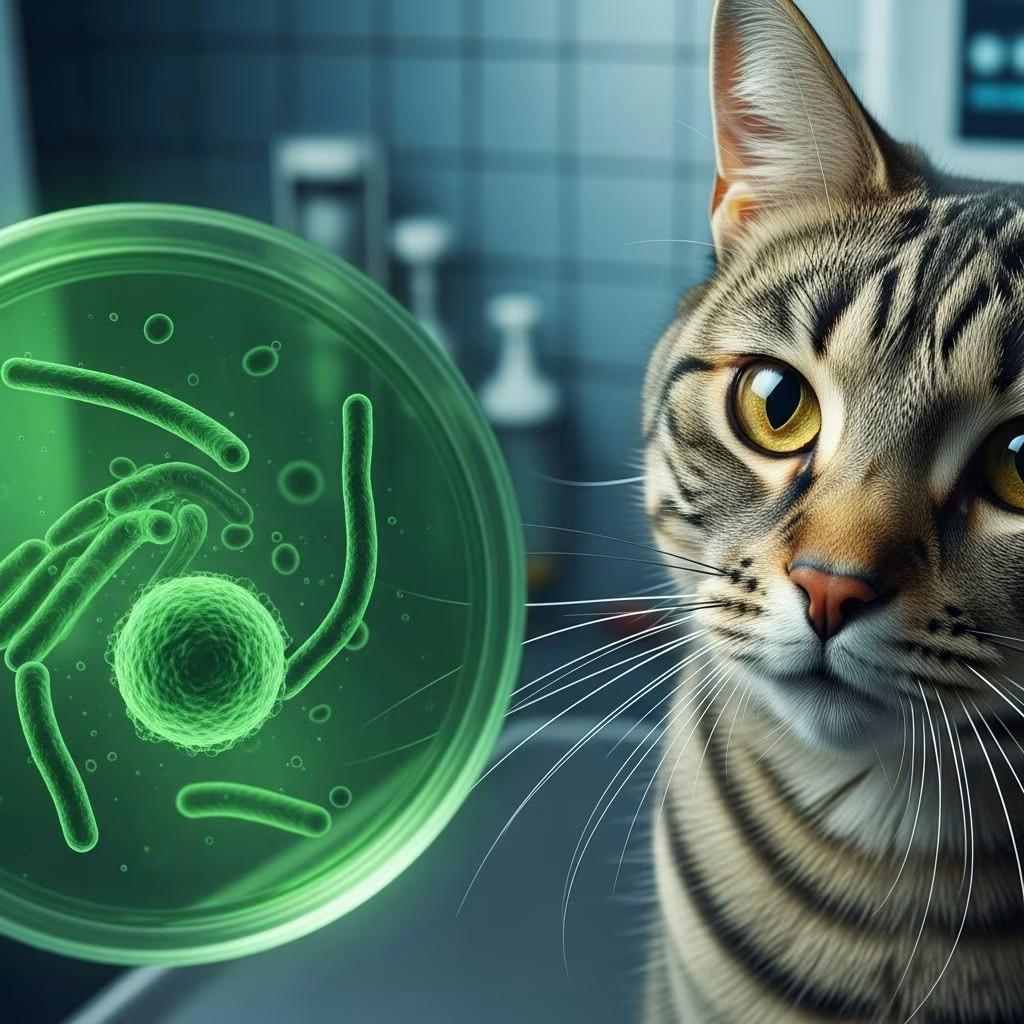
Salmonella infections pose significant health threats to cats, primarily affecting the gastrointestinal tract but potentially leading to severe systemic issues. These bacterial infections, known as salmonellosis, manifest through symptoms like diarrhea and lethargy, requiring prompt veterinary intervention in serious cases.
Understanding the Salmonella Bacterium in Feline Hosts
Salmonella bacteria thrive in various environments, entering cats through contaminated food, water, or direct contact with infected animals. Cats often encounter these pathogens in raw diets, undercooked meats, or fecally contaminated surfaces, making dietary choices a key risk factor.
The bacterium invades the intestinal lining, triggering inflammation and disrupting normal digestion. In healthy adult cats, the immune system frequently controls mild exposures without overt illness, but vulnerable groups like kittens, seniors, or immunocompromised individuals face heightened dangers.
Common Pathways of Infection for Cats
- Contaminated raw or undercooked foods: Raw meat diets harbor high bacterial loads, surviving processing if not properly handled.
- Exposure to infected feces: Contact with carrier animals or wildlife spreads the pathogen via shared litter boxes or outdoor environments.
- Poor hygiene in multi-pet homes: Inadequate cleaning of bowls and bedding perpetuates transmission.
- Environmental persistence: Bacteria endure on surfaces, amplifying risks in kennels or catteries.
Recognizing these routes empowers owners to mitigate exposure effectively.
Recognizing Clinical Manifestations in Affected Cats
Early detection hinges on observing subtle behavioral shifts. Gastrointestinal signs dominate, with diarrhea often appearing watery, mucoid, or bloody, accompanied by vomiting and appetite loss.
| Symptom Category | Description | Severity Indicator |
|---|---|---|
| Gastrointestinal | Diarrhea (bloody/mucoid), vomiting, abdominal discomfort | Mild to moderate |
| Systemic | Fever, lethargy, dehydration, rapid breathing | Severe |
| Other | Swollen lymph nodes, pale gums, foul rear odor | Advanced infection |
Severe cases progress to septicemia, where bacteria disseminate, causing shock-like states with pale mucous membranes and organ failure risks.
Diagnostic Approaches for Confirming Salmonella
Veterinarians initiate diagnosis through history review and physical exams, focusing on recent diet and exposure. Fecal cultures remain the gold standard, isolating Salmonella over 48-72 hours.
- PCR testing: Rapidly detects bacterial DNA, ideal for quick results.
- Bloodwork: Assesses dehydration, infection markers, and organ function.
- Imaging: Rules out concurrent issues like obstructions.
Accurate identification guides targeted therapy, avoiding unnecessary broad-spectrum treatments.
Treatment Strategies Tailored to Infection Severity
Management prioritizes supportive measures over routine antibiotics to prevent resistance and prolonged shedding. Mild cases often resolve spontaneously with home care.
Supportive Interventions for Mild to Moderate Cases
Hydration restores fluid balance via subcutaneous or oral administration, countering diarrhea losses. Anti-emetics like Cerenia control vomiting, while appetite stimulants such as mirtazapine encourage eating.
- Bland diets: Low-fat, highly digestible foods soothe the gut.
- Probiotics: Replenish beneficial flora disrupted by infection.
- NSAIDs: Reduce inflammation and pain if tolerated.
Advanced Care for Systemic Involvement
Hospitalization becomes essential for septicemic cats, involving IV fluids, targeted antibiotics based on sensitivity testing, and monitoring for shock. Plasma transfusions support clotting in extreme scenarios.
Duration varies: outpatient recovery spans days, while severe hospitalizations last a week or more, with follow-up cultures confirming clearance.
Prognosis Factors Influencing Recovery Outcomes
Healthy cats with isolated enteritis boast excellent prognoses, often rebounding within days. Complications like sepsis or immunosuppression lower success rates, demanding vigilant monitoring.
Post-recovery, intermittent shedding necessitates quarantine, with hygiene protocols extending weeks beyond symptom resolution.
Preventive Measures to Safeguard Feline Health
Proactive steps drastically reduce incidence. Opt for commercial cooked kibble over raw diets, ensuring fresh water and prompt litter hygiene.
- Litter management: Daily scooping and disinfection with appropriate cleaners.
- Multi-cat protocols: Separate feeding stations and isolate newcomers.
- Outdoor restrictions: Limit hunting to minimize wildlife contact.
- Hand hygiene: Wash after handling litter or food prep.
Veterinary guidance on balanced nutrition further bolsters immunity.
Zoonotic Implications: Protecting Human Companions
Salmonella transmits bidirectionally, posing risks especially to children, elderly, and immunocompromised humans via fecal-oral routes. Enhanced sanitation during outbreaks prevents cross-contamination.
Owners should don gloves for cleaning, launder fabrics hot, and disinfect surfaces, consulting public health if household exposures occur.
Special Considerations for High-Risk Feline Populations
Kittens under six months, pregnant queens, and FIV/FeLV-positive cats warrant extra caution. These groups may require antibiotics preemptively and closer surveillance.
Breeding facilities enforce strict biosecurity, including routine screening and culling carriers where feasible.[10]
Frequently Asked Questions About Salmonella in Cats
Can cats recover from salmonella without veterinary treatment?
Yes, many cats with mild symptoms self-resolve within days using hydration and diet adjustments, but monitoring prevents escalation.
Is antibiotic use always necessary for salmonella infections?
No, antibiotics are reserved for systemic cases to avoid prolonging bacterial shedding; supportive care suffices for most.
How long is a cat contagious after salmonella symptoms fade?
Potentially weeks; follow-up fecal tests confirm negativity before resuming normal interactions.
Does raw food feeding increase salmonella risks in cats?
Significantly, as raw meats often carry viable bacteria; cooked commercial foods pose lower threats.
Can humans catch salmonella from their infected cat?
Yes, through contaminated feces or surfaces; strict hygiene is crucial, particularly for vulnerable individuals.
Long-Term Management and Monitoring Post-Infection
Recovered cats benefit from periodic vet check-ups, fecal retesting at 2-4 weeks, and dietary probiotics to maintain gut health. Stress reduction via stable routines aids immunity.[10]
Owners tracking weight, stool quality, and energy levels enable early relapse detection, ensuring sustained well-being.
References
- Salmonella in Cats: Causes, Symptoms & Treatment — cats.com. 2023. https://cats.com/salmonella-in-cats
- Salmonella in cats – symptoms and treatment — Lassie. 2024. https://www.lassie.co/en/articles/salmonella-in-cats-symptoms-and-treatment
- Salmonellosis in Cats — PetMD. 2024. https://www.petmd.com/cat/general-health/salmonellosis-in-cats
- Salmonella Poisoning in Cats — Vetster. 2024. https://vetster.com/en/conditions/cat/salmonella-poisoning
- Salmonella Infection in Cats — WagWalking. 2023. https://wagwalking.com/cat/condition/salmonella-infection
- Salmonellosis: Background, Management and Control — Cornell University College of Veterinary Medicine. 2022. https://www.vet.cornell.edu/animal-health-diagnostic-center/programs/nyschap/modules-documents/salmonellosis-background-management-and-control



