

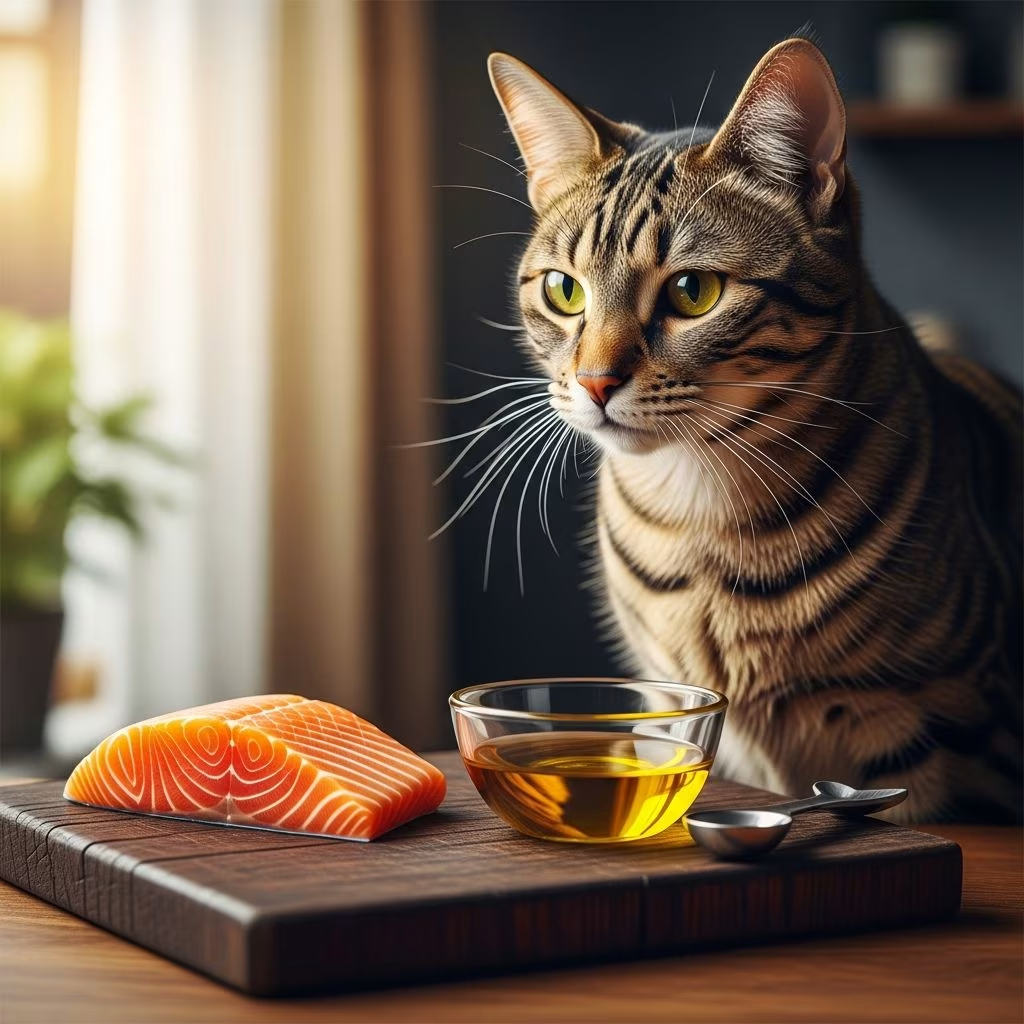
What Is Salmon Oil for Cats?
Salmon oil is a nutrient-rich supplement that has become increasingly popular among cat owners seeking to enhance their feline companions’ health and wellness. Packed with omega-3 fatty acids and other key nutrients, salmon oil is scientifically proven to support various aspects of feline health, from cardiovascular function to cognitive development. Unlike many synthetic supplements, salmon oil is a natural source of essential fatty acids that cats cannot produce on their own, making it a valuable addition to their dietary regimen when recommended by a veterinarian.
The appeal of salmon oil extends beyond its health benefits; it also offers practical advantages for pet owners. Veterinarians often recommend salmon oil over other fish oil options, including cod liver oil and krill oil, because of its superior nutritional profile combined with a mild flavor and smell that makes it more palatable to cats. While most healthy cats consuming a complete and balanced diet don’t necessarily require supplements, salmon oil can provide targeted support for specific health conditions and age-related concerns.
Understanding Omega-3 Fatty Acids in Salmon Oil
At the heart of salmon oil’s benefits lie two critical omega-3 fatty acids: Eicosapentaenoic Acid (EPA) and Docosahexaenoic Acid (DHA). These essential fatty acids are called “essential” because mammals require them for optimal health, yet their bodies cannot synthesize them independently. This means cats must obtain these vital nutrients through their diet, making supplementation particularly important for cats with specific health needs or dietary gaps.
EPA and DHA offer different but complementary benefits to feline health. While they work synergistically to support various bodily functions, each fatty acid contributes unique advantages. DHA, for instance, plays a particularly important role in eye and brain development, making it especially valuable for kittens during critical developmental stages. EPA, on the other hand, excels at reducing inflammation throughout the body and supporting cardiovascular function. When choosing salmon oil supplements, it’s important to select products that contain both forms of omega-3 to maximize health benefits.
Heart Health Benefits
One of the most significant advantages of salmon oil for cats is its positive impact on cardiovascular health. Heart disease remains a common condition in cats, potentially affecting their quality of life and longevity. Salmon oil addresses multiple risk factors associated with heart disease through its bioactive compounds and omega-3 content.
Salmon oil helps lower triglycerides, a type of fat in the blood that, when elevated, can contribute to cardiovascular problems. The EPA and DHA present in salmon oil work to regulate heart rhythms, support healthy circulation, and reduce inflammation in blood vessels. These mechanisms collectively work to decrease the risk of blood clots and other heart-related complications. Additionally, omega-3 fatty acids have been shown to improve the overall function of the heart by reducing the workload on the cardiac muscle, increasing blood flow efficiency, and enhancing the heart’s ability to contract and relax properly.
By incorporating salmon oil into your cat’s diet with veterinary approval, you can help promote optimal heart health and potentially increase your feline companion’s lifespan while improving their overall quality of life.
Skin and Coat Health Support
Cat dandruff and poor coat quality are common concerns among pet owners, but salmon oil offers a natural solution that delivers visible results. Many pet parents report noticing shinier fur, healthier skin, and fewer hairballs in as little as four to six weeks of consistent salmon oil supplementation.
The omega-3 fatty acids in salmon oil work to improve skin and fur quality at the cellular level, reducing the likelihood that your cat will ingest excessive amounts of hair during grooming. This benefit extends beyond aesthetics; healthier skin also makes cats less susceptible to the inflammation and itchiness that often accompany allergies. Salmon oil is particularly beneficial for:
- Cats with dry, flaky, or itchy skin
- Cats with dull or brittle coats
- Cats recovering from illness or injury
- Cats prone to excessive shedding
The fatty acids also increase the number of beneficial metabolites in your cat’s gastrointestinal tract, which improves their ability to digest hair that does wind up being swallowed, further reducing hairball incidents.
Joint Health and Mobility
Joint issues are extremely common in aging cats, often leading to reduced mobility and diminished quality of life. Salmon oil offers targeted support for feline joint health through its potent anti-inflammatory properties.
When cats ingest omega-3 fatty acids from salmon oil, their bodies break these compounds down into smaller molecules called metabolites. Among these metabolites are specialized pro-resolving mediators (SPM), which possess powerful anti-inflammatory properties. Clinical research suggests that SPM compounds help regulate proper immune responses and reduce inflammation in affected joints. By supplementing with salmon oil, you can help improve your cat’s SPM levels, potentially alleviating pain and swelling associated with arthritis and other joint conditions. This is particularly valuable for senior cats experiencing age-related joint degradation.
Kidney Health and Function
Kidneys play a critical role in your cat’s overall health, filtering toxins, maintaining fluid balance, producing hormones that regulate blood pressure, and stimulating red blood cell production. Many senior cats develop chronic kidney disease, which gradually damages kidney function and can significantly impact their health.
Omega-3s from salmon oil offer particular benefits for kidney health. Research demonstrates that these fatty acids may reduce inflammation within the kidneys, improve blood flow to renal tissue, and help the kidneys function more efficiently. Studies have shown that cats with kidney disease who consume fish oils, including salmon oil, experience less protein in their urine—an important indicator of improved kidney function and disease progression slowing. This makes salmon oil a valuable supplement for senior cats or those with diagnosed kidney concerns.
Brain Development and Cognitive Function
DHA, one of the primary omega-3 fatty acids in salmon oil, plays a crucial role in brain development and cognitive function. This benefit is particularly important for kittens during critical developmental stages, but it remains valuable throughout a cat’s life.
Research indicates that higher DHA levels support faster brain development in young animals, improve memory retention, and enhance reaction times. Kittens receiving adequate DHA supplementation develop cognitive abilities more rapidly than their unsupplemented counterparts. Beyond kittenhood, maintaining adequate omega-3 levels helps preserve cognitive function as cats age, potentially reducing cognitive decline in senior years. This makes salmon oil an excellent supplement for multi-generational households with both kittens and elderly cats.
Eye Health and Vision Support
DHA plays an important role in developing the eyes and optic nerves, making it essential for kittens’ visual development. However, the benefits of DHA for eye health extend well beyond the kitten stage. If your cat’s DHA levels drop later in life, it can contribute to deteriorating vision and age-related ocular problems.
Young kittens should receive plenty of omega-3 fatty acids in their diet to support proper visual development as their eyes mature. Maintaining adequate DHA intake throughout adulthood helps preserve vision quality and may slow age-related vision decline in senior cats. This comprehensive approach to eye health through omega-3 supplementation makes salmon oil valuable across all life stages.
Weight Management and Metabolism
Salmon oil supplements contain omega-3 fatty acids that have been shown to help promote healthy weight management in cats. These fatty acids work to increase your cat’s metabolism, helping them burn calories more efficiently. Additionally, salmon oil helps reduce inflammation in the body, which can contribute to weight gain and obesity when left unchecked.
By supporting metabolic function and reducing systemic inflammation, salmon oil can be a helpful component of a comprehensive weight management strategy for overweight or obese cats, though it should always be combined with appropriate diet and exercise.
Immune System Support
The anti-inflammatory properties of salmon oil extend to immune system support, helping your cat maintain a robust and balanced immune response. Omega-3 fatty acids help regulate inflammatory markers throughout the body, reducing chronic inflammation that can suppress immune function. This is particularly valuable for senior cats whose immune systems naturally decline with age, and for cats with conditions exacerbated by excessive inflammation.
Choosing Quality Salmon Oil Products
When selecting a salmon oil supplement for your cat, quality and safety should be your primary considerations. Always choose vet-approved salmon oil products specifically formulated for cats. This ensures the product has been tested for purity, potency, and safety, and that the dosage is appropriate for feline metabolism.
Look for products that clearly list EPA and DHA content on the label, manufactured in compliance with quality standards, and preferably sourced from reputable suppliers. Many high-quality salmon oil products are manufactured in the USA with globally sourced ingredients and come with satisfaction guarantees.
Dosage and Administration Guidelines
Proper dosing is essential to maximize benefits while minimizing potential risks. Too much salmon oil can cause digestive issues, unwanted weight gain, or other health complications. Most quality supplements are formulated with cats’ specific nutritional needs in mind, and a typical 8 fl oz (236 ml) bottle usually provides a 1-2 month supply for cats depending on individual dosage requirements.
Always consult with your cat’s veterinarian before offering a salmon oil supplement. Your vet can assess your cat’s individual health status, existing conditions, and dietary needs to recommend an appropriate dosage and determine whether salmon oil supplementation is beneficial for your specific cat.
Potential Considerations and Side Effects
While salmon oil is generally well-tolerated by most cats, some considerations should be kept in mind. Excessive supplementation may lead to digestive upset, including loose stools or diarrhea. In rare cases, some cats may experience allergic reactions to fish-based supplements.
Cats taking blood-thinning medications should only receive salmon oil under veterinary supervision, as omega-3 fatty acids have mild anticoagulant properties. Additionally, cats with certain medical conditions may require adjusted dosages or may not be suitable candidates for salmon oil supplementation. This is why veterinary consultation is essential before starting any new supplement regimen.
When to Consider Salmon Oil Supplementation
While most healthy cats on complete and balanced diets don’t strictly need supplements, salmon oil may be particularly beneficial in specific situations:
- Cats with diagnosed heart disease or cardiovascular risk factors
- Senior cats with chronic kidney disease
- Cats experiencing joint pain or mobility issues
- Cats with skin conditions, allergies, or poor coat quality
- Kittens during critical developmental stages
- Cats recovering from illness or surgery
- Cats with inflammatory conditions
Frequently Asked Questions
Q: Can kittens take salmon oil?
A: Yes, kittens can benefit from salmon oil supplementation, particularly for brain and eye development. However, dosages must be appropriate for their size and age. Always consult your veterinarian for kittens’ supplementation recommendations.
Q: How long does it take to see results from salmon oil supplementation?
A: Many cat owners report noticeable improvements in skin and coat quality within 4-6 weeks of consistent salmon oil supplementation. However, benefits like joint health improvement may take longer to manifest.
Q: Is salmon oil safe for all cats?
A: Salmon oil is safe for most cats when used appropriately and in proper dosages. However, cats with certain medical conditions, those taking specific medications, or those with fish allergies may require special consideration. Always consult your veterinarian.
Q: Can I give my cat too much salmon oil?
A: Yes, excessive salmon oil supplementation can cause digestive issues, weight gain, and other health problems. Follow the dosage recommendations on your product label and consult your veterinarian to determine the appropriate amount for your cat.
Q: Are there alternative sources of omega-3 fatty acids for cats?
A: While salmon oil is an excellent source, other fish oils like cod liver oil and krill oil also contain omega-3s. However, salmon oil is often preferred due to its palatability and superior omega-3 profile.
Q: Should I refrigerate salmon oil?
A: Storage recommendations depend on the specific product. Check your supplement’s label for proper storage instructions, as some products may benefit from refrigeration to maintain potency.
Conclusion
Salmon oil represents a science-backed, natural approach to supporting your cat’s health across multiple biological systems. From heart and kidney function to cognitive development and joint mobility, the omega-3 fatty acids in salmon oil offer comprehensive wellness support. When chosen carefully and administered under veterinary guidance, salmon oil can be a valuable addition to your cat’s health regimen, potentially improving their quality of life and supporting their wellbeing through all life stages.
References
- What Is Salmon Oil for Cats? — Chewy. 2024. https://www.chewy.com/education/cat/health-and-wellness/salmon-oil-for-cats
- The Benefits of Salmon Oil Supplements for Cats: A Comprehensive Guide — Supertails. 2024. https://supertails.com/blogs/wellness/the-benefits-of-salmon-oil-supplements-for-cats-a-comprehensive-guide
- Fish Oil for Cats — PetMD. 2024. https://www.petmd.com/cat/general-health/fish-oil-cats
- Salmon Oil For Cats: Utilizing The Benefits Of Omega Fatty Acids — Holistic Pet. 2024. https://www.holistapet.com/blogs/cat-nutrition/salmon-oil
- The Ins and Outs of Salmon Oil — My Pet Nutritionist. 2024. https://mypetnutritionist.com/post/the-ins-and-outs-of-salmon-oil/
- The Benefits of Pollock or Salmon Oil for Cats and Dogs — Mud Bay. 2024. https://blog.mudbay.com/blog/blog-pollock-salmon-oil-improve-dog-cat-health/
- Fish Oil for Dogs and Cats: Six Benefits — Animal Medical Center of Chicago. 2024. https://www.animalmedicalcenterofchicago.com/fish-oil-for-dogs-and-cats-six-benefits/



