

Understanding Salivary Mucoceles in Dogs
A salivary mucocele, also known as a sialocele, is an accumulation of saliva that has leaked from an injured salivary gland or salivary duct. This leaked saliva accumulates in the tissues of the mouth and neck, resulting in a soft, painless swelling. Understanding this condition is essential for dog owners, as early recognition and treatment can prevent complications and ensure your pet’s comfort and health.
Salivary mucoceles are almost exclusively seen in dogs; this is a very rare condition in cats. Predisposed dog breeds include German Shepherds and Miniature Poodles, although other breeds may also be affected. The condition can occur at any age but is most common in young dogs, typically between 2 to 4 years of age.
Types of Salivary Mucoceles
Salivary mucoceles can be divided into four distinct types based on their location. The type of salivary mucocele is important because it determines the effects the mucocele may have and how best to treat it.
Cervical Mucoceles
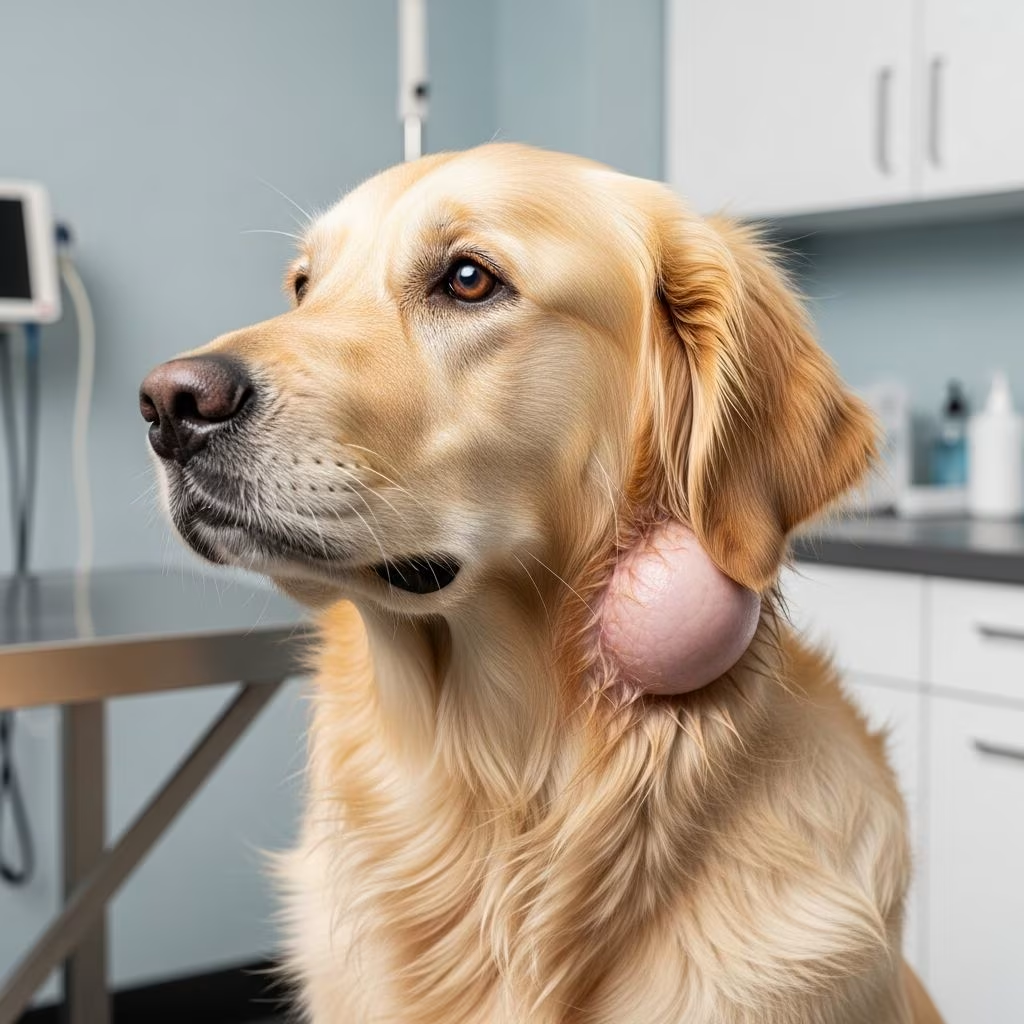
Cervical mucoceles cause swelling in the upper neck and around the lower jaw. This is the most common type of salivary mucocele and is caused by damage to the mandibular or sublingual salivary glands or their associated ducts. A cervical mucocele is often visible as a soft, non-painful mass that grows slowly over time in the head or neck area. Dogs with a cervical mucocele typically do not show any signs of illness, except the visible swelling.
Sublingual Mucoceles
Sublingual mucoceles, also called a ranula, cause swelling within the mouth, below and alongside the tongue. This type of mucocele is caused by damage to the sublingual salivary gland or its associated duct. The swelling occurs directly in the oral cavity, which may affect the dog’s ability to eat or drink comfortably.
Pharyngeal Mucoceles
Pharyngeal mucoceles cause swelling within the pharynx (throat). These mucoceles typically do not have an external visible swelling as the accumulation is located in the back of the throat. However, they will cause breathing difficulty and require immediate veterinary attention. Pharyngeal mucoceles are caused by damage to the mandibular or submandibular salivary glands or their associated ducts.
Zygomatic Mucoceles
Zygomatic mucoceles, which are uncommon, cause swelling in the cheek area, below the eye. This type is caused by damage to the zygomatic salivary gland. A zygomatic mucocele will appear as a swelling on the cheek, below the eye, and may cause discomfort or difficulty with eye movement.
Causes of Salivary Mucoceles
The inciting cause of a salivary mucocele is usually not definitively identified; however, several suspected causes have been documented. The primary issue is that once a salivary gland or duct is damaged, it begins to leak small amounts of saliva into the surrounding tissue.
Common Causes and Risk Factors
- Trauma from a choke chain or collar
- Bites to the neck area
- Sudden hyperextension of the neck
- Stretching or tearing of the salivary gland or duct
- Blunt force trauma to the head or neck region
When the salivary gland or duct is damaged, saliva accumulates under the skin and incites a marked inflammatory response. The body attempts to contain the leaking saliva by creating a layer of connective tissue around the saliva called a mucocele. Although a salivary mucocele often develops slowly, it will continue to worsen over time due to increased saliva accumulation and inflammation.
Signs and Symptoms
The clinical presentation of a salivary mucocele varies depending on the type and location of the mucocele. Early recognition of symptoms is crucial for prompt veterinary intervention.
Common Signs
The signs of a salivary mucocele include swelling underneath the jaw area (intermandibular region) or around the top of the neck (upper cervical region). This growing mass tends to be soft, flexible, and painless. This is an important characteristic because these traits differ from a cancerous mass, which will typically be rigid and painful.
A cervical mucocele is often visible as a soft, non-painful mass that grows slowly over time in the head or neck area. Dogs with a cervical or zygomatic mucocele typically do not show any signs of illness, except the visible swelling. The swelling can be noticed on the side of the face as well, but often the saliva pools downward and the swelling is first noticed on the neck.
Type-Specific Symptoms
Cervical and Zygomatic Mucoceles: Dogs typically present with a visible, soft swelling with minimal discomfort or systemic illness signs.
Sublingual Mucoceles: May result in excessive drooling, difficulty eating, dropping food while eating, or reluctance to eat. The dog may also show signs of oral discomfort.
Pharyngeal Mucoceles: Can cause breathing difficulty, coughing, gagging, and potentially life-threatening airway obstruction. These require immediate veterinary attention.
Diagnosis of Salivary Mucoceles
Proper diagnosis is essential to confirm the presence of a salivary mucocele and differentiate it from other conditions such as abscesses, tumors, or cysts.
Diagnostic Methods
Physical Examination and Palpation: Your veterinarian will begin by palpating (feeling) any visible swellings on your dog’s head and neck. Most salivary mucoceles can be readily identified when palpated. A mucocele is detectable as a soft, fluctuant, painless mass that must be differentiated from other cysts, abscesses, and tumors.
Fine Needle Aspiration: A salivary mucocele usually can be diagnosed by palpation and aspiration of light brown or blood-tinged viscous saliva. Examination of the fluid under the microscope frequently shows chronic inflammation (mononuclear cells) and red blood cells.
Advanced Imaging: In cases where the mucocele location is unclear or to identify the affected duct, your veterinarian may recommend:
- Sialography (contrast imaging of the salivary ducts)
- CT (computed tomography) scans
- Ultrasound imaging
Anesthesia and Direct Examination: In the case of a pharyngeal mucocele, your veterinarian may need to examine your dog’s throat under sedation or general anesthesia. Careful palpation with the patient in dorsal recumbency may help determine the affected side.
Treatment Options
The treatment approach for salivary mucoceles depends on the type, location, and severity of the condition. Most cases require surgical intervention to prevent recurrence and complications.
Surgical Treatment
Surgical management is the definitive treatment for salivary mucoceles. The specific surgical approach depends on the type of mucocele:
- Identification and repair of the ruptured salivary duct
- Removal of the affected salivary gland (sialoadenectomy)
- Marsupialization of the mucocele (creating an opening for drainage)
- Complete excision of the mucocele and associated gland tissue
In preparation for surgery, preoperative blood work including a complete blood count, chemistry profile, and urine testing are recommended to ensure that your pet is healthy and can safely undergo anesthesia. The diagnosis is confirmed with exploratory surgery and finding the ruptured duct.
Post-Operative Care
Following surgical treatment, proper post-operative care is essential to promote healing and prevent complications. This may include:
- Pain management and anti-inflammatory medications
- Antibiotic therapy if infection is present
- Activity restriction during the healing period
- Regular veterinary follow-up examinations
- Wound care and monitoring for infection
Prognosis and Complications
The prognosis for salivary mucoceles is generally good with appropriate surgical treatment. However, without treatment, the condition will continue to worsen over time due to increased saliva accumulation and inflammation.
Potential complications include infection of the mucocele, which can cause pain, fever, and enlarged regional lymph nodes. If left untreated, a pharyngeal mucocele can cause life-threatening airway obstruction.
When to Contact Your Veterinarian
Contact your veterinarian immediately if you notice any of the following in your dog:
- Soft, painless swelling on the neck, face, or jaw
- Excessive drooling or difficulty swallowing
- Difficulty breathing or labored respiration
- Reluctance to eat or drink
- Swelling that changes in size or appearance
- Signs of infection such as fever or foul odor
- Gagging, coughing, or choking episodes
Frequently Asked Questions
Q: Is a salivary mucocele painful?
A: Most salivary mucoceles are painless soft swellings. However, if the mucocele becomes infected or ruptures, pain may develop. The initial inflammatory response can also cause discomfort, though this stage is often not noticed by owners.
Q: Can salivary mucoceles go away on their own?
A: No, salivary mucoceles will not resolve without treatment. They will continue to worsen over time due to continued saliva accumulation and inflammation. Surgical intervention is typically necessary for resolution.
Q: What is the difference between a salivary mucocele and a tumor?
A: Salivary mucoceles are soft, flexible, and painless, while tumors are typically rigid and painful. Proper diagnosis by your veterinarian through examination and testing is essential to differentiate between these conditions.
Q: Are certain dog breeds more prone to salivary mucoceles?
A: Yes, German Shepherds and Miniature Poodles are predisposed to this condition, although other breeds may also be affected. The condition can occur in dogs of any breed at any age.
Q: Will my dog have recurrent mucoceles after surgery?
A: With proper surgical technique and identification of the ruptured duct, recurrence rates are low. However, in some cases, mucoceles may recur if the underlying cause is not fully addressed.
Q: Can cats get salivary mucoceles?
A: Yes, cats can develop salivary mucoceles, but this is extremely rare. Dogs are much more commonly affected by this condition.
References
- Salivary Mucocele — VCA Animal Hospitals. 2025. https://vcahospitals.com/know-your-pet/salivary-mucocele
- Salivary Disorders in Small Animals — Merck Veterinary Manual. 2025. https://www.merckvetmanual.com/digestive-system/diseases-of-the-mouth-in-small-animals/salivary-disorders-in-small-animals
- Salivary Mucocele in Dogs — BluePearl Pet Hospital. 2025. https://bluepearlvet.com/medical-articles-for-pet-owners/salivary-mucocele-in-dogs/
- What is a Salivary Mucocele? — Maryland Veterinary Surgical Services. 2025. https://www.mdvss.com/blog/what-is-a-salivary-mucocele/
- Ruptured Salivary Mucocele — Animal Surgical Center of Michigan. 2025. https://www.animalsurgicalcenter.com/salivary-mucocele
- Sialocele (Salivary Mucocele) — Dallas Veterinary Surgical Center. 2025. https://www.dvsc.com/sialocele



