

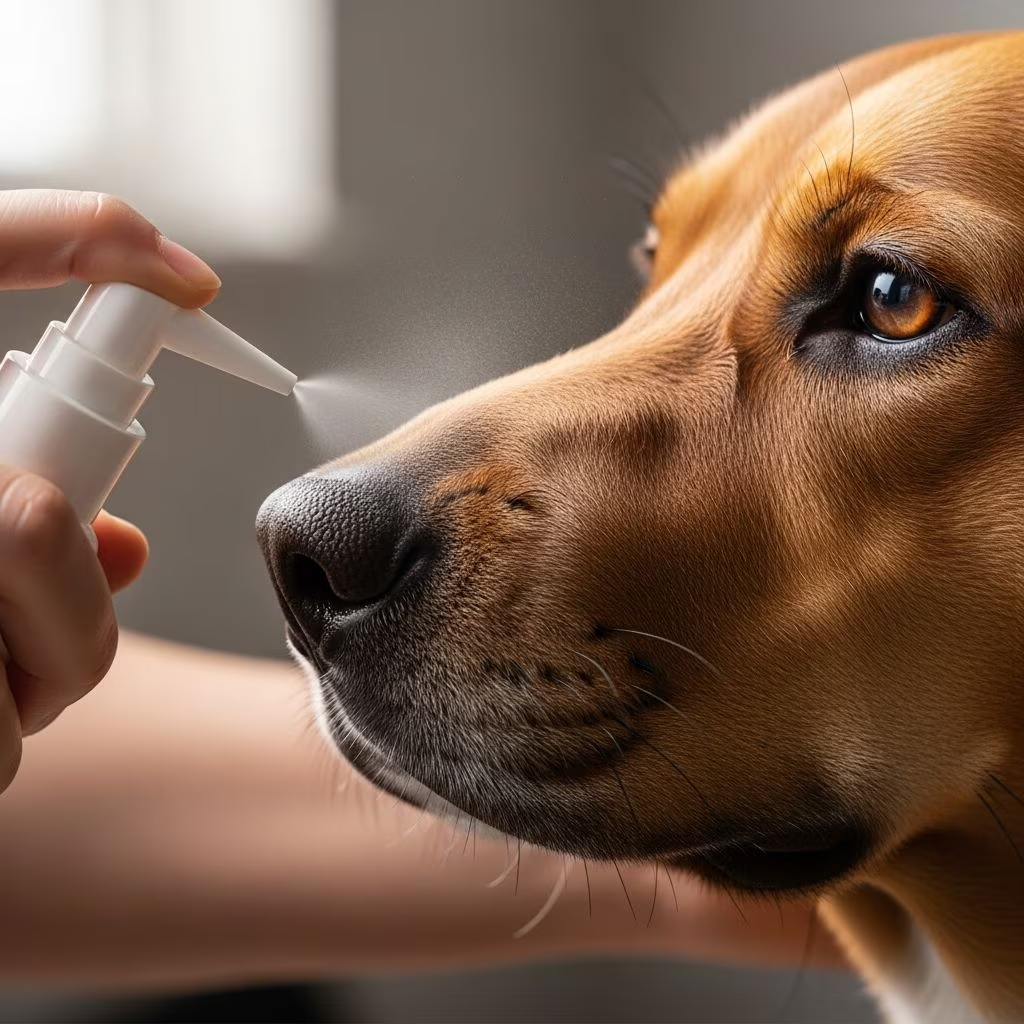
Safe and gentle saline nasal sprays offer pet owners a simple way to help dogs with congestion, runny noses, and sneezing by loosening mucus without harsh chemicals. Veterinary experts endorse plain saline solutions as a first-line home remedy for minor upper respiratory discomfort, distinguishing them from risky medicated options.
Understanding Canine Nasal Congestion
Dogs experience nasal issues from various causes, including viral infections, allergies, irritants like dust or smoke, dental problems, or even foreign objects lodged in the nostrils. Symptoms often include persistent sneezing, clear or colored discharge from one or both nostrils, pawing at the face, noisy breathing, and reduced appetite due to discomfort. While occasional congestion resolves on its own, ongoing signs warrant veterinary attention to rule out serious conditions like infections or nasal tumors.
Unlike humans, dogs have a keen sense of smell vital for their well-being, so blocked passages can cause significant distress. Puppies and brachycephalic breeds like Pugs or Bulldogs are particularly prone due to shorter nasal structures. Early intervention with safe methods like saline can prevent secondary issues such as mouth breathing or bacterial overgrowth.
Why Saline Nasal Spray is a Safe Choice
Saline nasal spray consists of a sterile saltwater solution mimicking the body’s natural fluids, making it non-toxic and free from decongestants or steroids harmful to dogs. It works by moisturizing dry nasal tissues, thinning thick mucus for easier expulsion, and flushing minor irritants. Sources confirm its safety for at-home use, even in puppies, as long as it’s a plain formulation without additives like xylitol or imidazolines found in human products.
- Hydrates nasal passages: Prevents crusting and cracking in dry environments.
- Loosens secretions: Aids natural sneezing or wiping to clear blockages.
- No systemic effects: Unlike oral meds, it acts locally without absorption risks.
- Cost-effective: Human pediatric saline sprays like Little Noses are vet-recommended for dogs.
Veterinarians note saline’s low risk profile, positioning it as preferable to humidifiers or steam alone, though these complement it well.
When to Reach for Saline Spray
Use saline for short-term relief in cases of mild colds, environmental allergies, or post-exercise dryness. It’s ideal when discharge is clear and your dog remains active and eating normally. Administer 1-2 sprays per nostril 2-4 times daily for up to 3 days; discontinue if no improvement. Always consult a vet first for puppies under 6 months, pregnant dogs, or those with chronic conditions.
| Symptom | Suitable for Saline? | Action if Persistent |
|---|---|---|
| Clear runny nose | Yes | Monitor 48 hours |
| Colored discharge | Possibly, but vet check | Seek exam immediately |
| Sneezing + pawing | Yes | Combine with steam |
| Bloody nose | No | Emergency vet |
| Snoring/new breathing noise | No | Diagnostic imaging |
This table summarizes common scenarios based on expert guidance.
Step-by-Step Guide to Administering Saline Spray
Dogs often resist nasal applications, so patience and technique matter. Gather a pet-safe saline spray, soft cloth, treats, and a helper if needed.
- Prepare your dog: Calm them in a quiet room with positive reinforcement like treats.
- Position gently: Hold the head steady from above, avoiding forceful restraint.
- Aim precisely: Insert nozzle just inside the nostril at a 45-degree angle; spray 1-2 quick puffs.
- Encourage clearance: Let them shake or sneeze; gently wipe excess with a warm damp cloth.
- Reward immediately: Praise and treat to build tolerance for future use.
For stubborn cases, dilute saline in a bulb syringe for drops instead of spray. Nebulization via vet-prescribed masks suits severe congestion.
Dangers of Medicated Nasal Sprays in Dogs
Human decongestants containing oxymetazoline, phenylephrine, or xylitol pose severe risks: elevated heart rate, blood pressure spikes, tremors, seizures, and liver damage. Even pediatric formulas may include preservatives irritating canine tissues. Ingestion from chewed bottles can be fatal, emphasizing storage away from pets.
- Imidazolines: Cause lethargy, vomiting, irregular heartbeat.
- Xylitol-sweetened sprays: Hypoglycemia and hepatic failure.
- Steroid sprays: Immune suppression with prolonged use.
Pet Poison Helpline stresses: only vet-prescribed meds are safe; over-the-counter human products never.
Complementary Home Remedies for Nasal Relief
Enhance saline with these vet-backed strategies:
- Steam therapy: 10-15 minutes in a bathroom with hot shower running daily.
- Humidifier: Cool-mist unit near sleeping area to maintain 40-60% humidity.
- Warm compresses: Apply to face for 5 minutes to soothe swelling.
- Hydration boost: Wet food or broth to thin mucus internally.
- Elevated bedding: Raises head to reduce post-nasal drip.
Avoid irritants like smoke, strong cleaners, or pollen-heavy walks during flare-ups.
Veterinary Interventions for Persistent Issues
If home care fails after 3 days or symptoms worsen (fever, lethargy, one-sided discharge), seek professional help. Vets may perform:
- Nasal flush: Under anesthesia, saline irrigation collects samples for cytology or removes blockages/debulks tumors.
- Imaging: X-rays or CT scans identify polyps, infections, or foreign bodies.
- Endoscopy: Visualizes passages for biopsies.
- Medications: Antibiotics, antifungals, or allergy treatments as indicated.
Pre-procedure prep includes fasting and pausing blood thinners; post-care involves rest and monitoring for bleeding.
Preventing Recurrent Nasal Problems in Dogs
Proactive steps reduce episodes:
- Vaccinate against respiratory viruses like kennel cough.
- Maintain dental hygiene to prevent root infections spreading to sinuses.
- Use air purifiers and hypoallergenic bedding.
- Regular vet check-ups for at-risk breeds.
- Balanced diet supporting immune health.
Monitor for breed-specific vulnerabilities, such as long-nosed breeds prone to aspergillosis.
Frequently Asked Questions (FAQs)
Can I use human saline spray on my dog?
Yes, plain saline or pediatric versions without additives are safe; confirm ingredients with your vet.
How often can I give saline nasal spray to my dog?
2-4 times daily for up to 3 days; more requires veterinary oversight.
What if my dog has bloody nasal discharge?
Skip home remedies; this signals potential trauma, tumor, or clotting issues needing urgent care.
Is saline safe for puppies?
Generally yes, but consult a vet for those under 8 weeks.
Can allergies cause dog nasal congestion?
Yes, environmental or food allergens trigger chronic symptoms; allergy testing may help.
Long-Term Management and Monitoring
Track symptoms in a journal noting triggers, duration, and responses to saline. Annual wellness exams catch underlying issues early. For chronic cases, explore hypoallergenic diets or immunotherapy. Responsible use of saline empowers owners while prioritizing professional diagnostics for root causes.
References
- Is Nasal Spray Safe for Dogs? — PetMD. 2023. https://www.petmd.com/dog/care/nasal-spray-safe-dogs
- Saline Nasal Flush for Dogs — DogCancer.com. 2023. https://www.dogcancer.com/articles/diagnosis-and-medical-procedures/saline-nasal-flush-for-dogs/
- Nasal Decongestant for Dogs — Pet Poison Helpline. 2024. https://www.petpoisonhelpline.com/pet-tips/nasal-decongestant-for-dogs/
- Common Medications That Are Safe for Your Dog — NCPA. 2022. https://www.ncpa.co/pdf/do-13-dog-sheet-non-branded.pdf
- Over-the-Counter Medications that Are Safe for Your Dog — WagWalking. 2024. https://wagwalking.com/wellness/over-the-counter-medications-that-are-safe-for-your-dog
- Nasal Spray and Eye Drop Poisoning in Pets — Mallard Creek Veterinary Hospital. 2023. https://www.mallardcreekvet.com/dr-waldens-blog/nasal-spray-and-eye-drop-poisoning-in-pets
- How to Help a Dog With a Stuffy Nose — GoodRx. 2025. https://www.goodrx.com/pet-health/dog/stuffy-nose



