Saint Bernard Coat Care: Essential Maintenance Guide
Master the art of maintaining your Saint Bernard's magnificent double coat
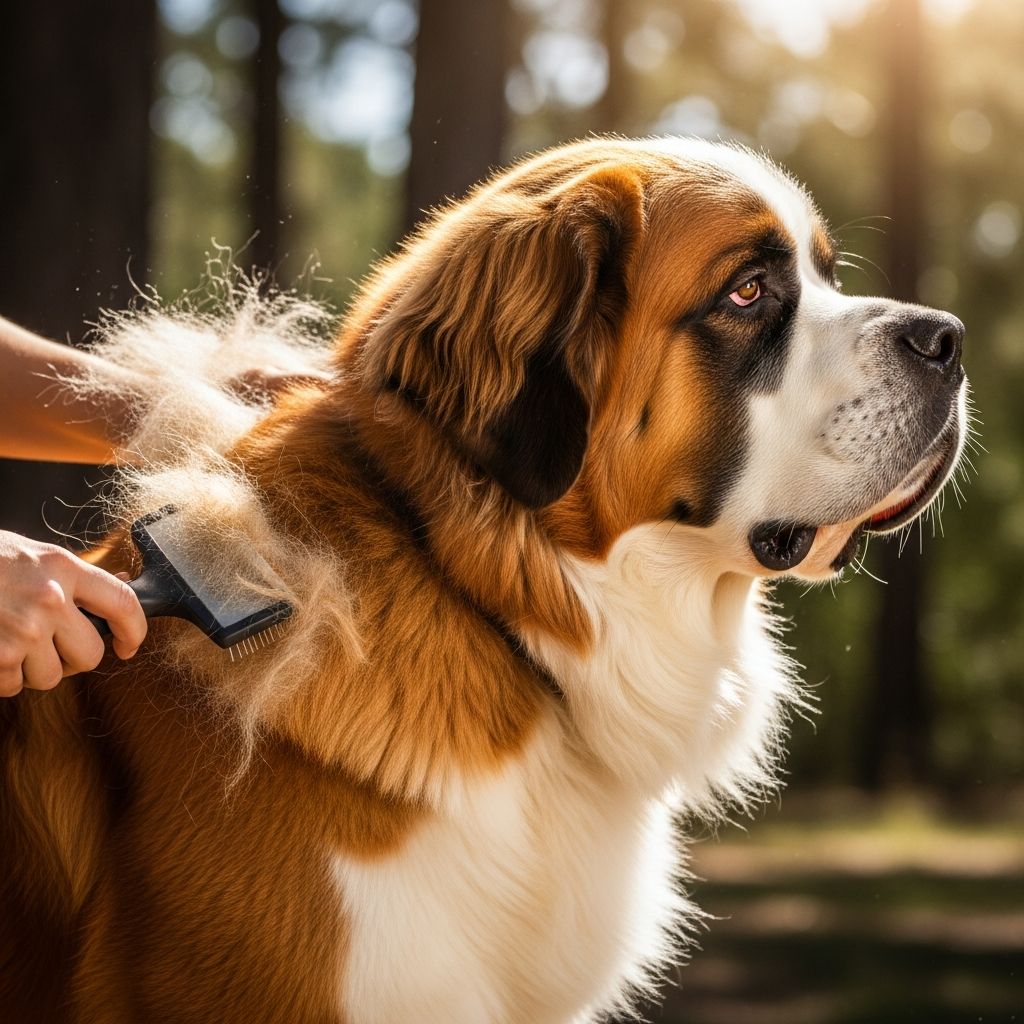
Saint Bernards stand as one of the most recognizable giant dog breeds, known for their impressive size, gentle temperament, and distinctive thick coats. These magnificent dogs require dedicated grooming attention to maintain their health, comfort, and appearance. Whether you’re a first-time owner of this breed or an experienced handler, understanding the specifics of Saint Bernard coat maintenance is essential for providing optimal care.
Understanding Your Saint Bernard’s Coat Structure
Saint Bernards possess two primary coat varieties, each with distinct characteristics and care requirements. The short-haired variety features a dense, smooth coat that lies close to the body, while the long-haired version displays slightly wavy hair that extends further from the skin. Both types serve important functions beyond aesthetics—they provide insulation during cold weather and help regulate temperature in warmer months. The coats typically range in color from deep brown to brownish-yellow, with characteristic white markings distributed across the body.
The double coat structure means Saint Bernards have both an outer guard coat and a dense undercoat. This layering creates the breed’s characteristic fluffy appearance but also means these dogs shed considerable amounts of fur, particularly during seasonal transitions. Understanding this natural shedding cycle helps owners prepare appropriately and implement effective management strategies.
Establishing a Brushing Routine
Regular brushing forms the foundation of Saint Bernard grooming care. The frequency depends on your dog’s coat type and current shedding phase. For short-haired Saint Bernards, brushing two to three times weekly maintains coat health during regular seasons, increasing to daily sessions during heavy shedding periods. Long-haired varieties benefit from more frequent attention, ideally brushing every day or at minimum three times weekly to prevent matting and tangling.
Selecting appropriate brushing tools makes the process more effective and comfortable for your dog:
- Pin brushes work exceptionally well for long-haired Saint Bernards, effectively smoothing the topcoat while gently removing excess hair
- Slicker brushes remove loose hair and address light mats, though they require gentle application on sensitive areas
- Undercoat rakes penetrate the dense undercoat to remove dead hair, proving especially valuable during shedding season
- Metal combs help detect tangles and small mats that brushes might miss, serving as a final grooming step
- Grooming gloves and rubber brushes suit short-haired varieties when frequent, gentle brushing is preferred
Establishing a consistent brushing schedule accustoms your Saint Bernard to the grooming process while preventing mat formation and reducing household shedding. Many owners find that incorporating brushing into a regular routine—such as several times weekly at specific times—helps their dogs anticipate and accept the grooming session.
Managing Seasonal Shedding Challenges
Saint Bernards experience two substantial shedding seasons annually, typically occurring during spring and fall transitions. During these periods, owners often notice significant amounts of fur accumulating in their homes and on their dogs’ coats. Rather than viewing this as a grooming failure, recognizing it as a natural process helps owners respond appropriately.
When shedding season approaches, increase brushing frequency to daily sessions using tools specifically designed for undercoat removal, such as shedding combs or undercoat rakes. This intensive brushing removes dead hair before it falls around your home and prevents matting that can occur when loose undercoat tangles with topcoat hair. Some owners invest in specialized shedding tools or even professional grooming during peak shedding to manage the volume of fur effectively.
Regular bathing during shedding season, combined with thorough brushing before and after washing, helps mobilize loose hair and makes removal easier. However, always brush out mats and tangles before bathing, as water can cause loose hair to mat more firmly.
Bathing and Coat Cleaning Procedures
Bathing your Saint Bernard requires preparation and careful technique to ensure the process is effective and comfortable for both dog and owner. Begin by thoroughly brushing the entire coat to remove tangles and mats, as water will tighten any remaining knots. Gather all necessary supplies before beginning, including mild dog shampoo formulated for sensitive skin, lukewarm water, towels, and optionally a low-heat dryer.
Follow this step-by-step bathing approach:
| Step | Action | Important Notes |
|---|---|---|
| 1 | Thoroughly pre-brush coat | Remove all mats and tangles before water exposure |
| 2 | Wet coat with lukewarm water | Ensure water penetrates to the skin; avoid extremely hot or cold water |
| 3 | Apply dog shampoo generously | Massage gently into coat; avoid eyes, ears, and mucous membranes |
| 4 | Rinse thoroughly with clean water | Remove all shampoo residue to prevent skin irritation |
| 5 | Apply conditioner if desired | Focus on dry ends and the undercoat; optional but beneficial |
| 6 | Dry coat completely | Use towels and low-heat dryer if needed; allow adequate drying time |
Always use mild, dog-safe shampoos that won’t irritate the sensitive skin beneath the dense coat. Harsh or human grooming products can cause skin irritation, dry out the coat, or trigger allergic reactions. Consider using detangling or medicated shampoos specifically formulated for heavy-coated breeds to enhance the bathing benefits.
Trimming and Sanitization Tasks
While the Saint Bernard’s full body coat should remain intact to provide natural temperature regulation, certain trimming tasks contribute to comfort and hygiene. Focus trimming efforts on specific areas rather than attempting full-body cuts.
Sanitary trimming around the rear end, inner thighs, and genital area prevents matting in these naturally moist regions and improves overall hygiene. Use small scissors or appropriate clippers with the correct blade size, working carefully to avoid accidental injury. Trim the hair between paw pads where it can collect dirt and ice during winter walks, improving traction and comfort.
Hair around the face and ears can be tidied, though avoid shaving down to skin level. Instead, trim excess hair around the ears and eyes, being particularly cautious around the face where sudden movements could cause injury. Always trim with the direction of hair growth, away from sensitive areas like eyes and nostrils.
Never shave or clip the main body coat down to the skin, as this removes the protective insulation and temperature-regulating properties the double coat provides. The full coat naturally sheds dead hair; clipping can damage the coat structure and compromise its functionality.
Nail, Ear, and Dental Care Integration
Comprehensive grooming extends beyond coat maintenance to include important health and hygiene tasks. Nail care should occur every four to six weeks, with longer intervals for less active dogs. Long nails cause discomfort during walking and create joint strain, potentially leading to mobility issues as your Saint Bernard ages. Use sharp, appropriately-sized dog nail clippers and trim carefully to avoid cutting into the quick—the pink nerve-filled center of the nail. If your dog becomes anxious during nail trimming, consider trimming just a few nails per session or using a nail file to smooth edges gradually.
Ear care requires attention every two to three weeks, particularly important given the Saint Bernard’s floppy ear structure. Floppy ears trap moisture and debris, creating environments conducive to infection. Apply vet-approved ear cleaner solution, massage the base of the ear gently, and wipe away loosened debris with soft cotton balls. Never insert cotton swabs into the ear canal, as this risks damaging delicate internal structures.
Dental hygiene should be addressed two to three times weekly using dog-safe toothpaste applied with a soft brush designed for canine use. Regular tooth brushing prevents plaque buildup, reduces bad breath, and helps avoid more serious dental disease. Supplementing with dental chews and appropriate toys also contributes to oral health maintenance.
Watch for tear staining—the discoloration of white coat hair under the eyes common in this breed—by wiping affected areas frequently with damp cloths. This preventative maintenance reduces permanent staining and keeps the facial area clean and healthy.
Age-Specific Grooming Considerations
Grooming approaches should adapt as your Saint Bernard progresses through different life stages. Puppies need gentle introduction to grooming procedures to develop positive associations with handling and care activities. Start with short brushing sessions and positive reinforcement, handling paws frequently and examining the mouth to normalize future professional grooming. This early conditioning makes adult grooming significantly easier and less stressful.
Adult Saint Bernards can handle longer grooming sessions and require more intensive maintenance, particularly regarding mat prevention and regular bathing. Focus on comprehensive coat management and the specialized care tasks outlined above. Senior Saint Bernards often develop sensitive skin or joint issues, requiring gentler handling, softer brushes, and shorter grooming sessions. Always check the skin during grooming for any sores, rashes, or signs of infection, being particularly attentive with aging dogs who may be more vulnerable to skin conditions.
Professional Grooming Versus Home Care
Determining which grooming tasks to handle at home versus when to engage professional groomers helps maintain your Saint Bernard’s health and comfort. Most routine brushing, basic bathing, and simple maintenance tasks can be performed at home with appropriate tools and knowledge.
| Grooming Task | Home Handling | Professional Groomer Use |
|---|---|---|
| Regular brushing | Yes—daily or several times weekly | Optional for additional support |
| Basic bathing | Yes—with proper preparation and tools | Optional for added convenience |
| Light mat removal | Yes—caught early during brushing | Recommended for severe or extensive matting |
| Nail trimming | Yes—with care and proper clippers | Recommended for anxious dogs or long nails |
| Specialized treatments | Limited capability | Recommended for medicated baths or skin treatments |
Professional groomers prove especially valuable for managing heavy matting, providing specialized medicated baths for skin conditions, or when your dog’s anxiety makes home grooming stressful. They possess specialized equipment and expertise for addressing complex grooming challenges that exceed typical home care capabilities.
Creating an Optimal Grooming Environment
The grooming environment significantly influences your Saint Bernard’s cooperation and comfort. Select a calm, quiet area free from distractions where your dog can relax during grooming sessions. Good lighting helps you see the coat clearly and avoid accidentally nicking skin. A non-slip surface prevents your dog from becoming anxious about sliding during the grooming process.
Consider adding calming influences to the grooming space, such as soft music or other environmental elements that promote relaxation. Taking your Saint Bernard for a brief walk before grooming can calm excess energy and make the dog more receptive to the grooming process.
Common Grooming Mistakes to Avoid
Several mistakes can compromise your Saint Bernard’s coat health or create safety issues. Avoid shaving the double coat, as this removes insulation and disrupts the coat’s natural temperature regulation. Over-bathing strips natural oils from the skin and coat, leading to dryness and irritation—typically bathing monthly or as needed suits most Saint Bernards. Using harsh shampoos not formulated for dogs can damage coat quality and irritate sensitive skin.
Never force a fearful or resistant dog through grooming sessions, as this creates negative associations and increases future resistance. Approach anxious dogs gradually, using positive reinforcement and breaking grooming into smaller sessions if necessary. Trim nails carefully to avoid cutting the quick, which causes bleeding and pain. Always check for mats before bathing, since water tightens existing tangles. Handle grooming tools safely and follow breed-specific recommendations rather than applying generic grooming practices designed for other dog types.
Frequently Asked Questions
How often should I brush my Saint Bernard?
Short-haired Saint Bernards need brushing two to three times weekly during regular seasons, daily during shedding periods. Long-haired varieties should be brushed daily or at minimum three times weekly year-round. Increase frequency during spring and fall when shedding peaks.
Can I shave my Saint Bernard’s coat?
No—never shave a Saint Bernard’s double coat. The coat provides essential temperature regulation and natural protection. Shaving can damage the coat structure and compromise these vital functions.
What’s the best shampoo for Saint Bernards?
Use mild, dog-specific shampoos formulated for sensitive skin and heavy coats. Avoid harsh human grooming products. Consider detangling or medicated shampoos specifically designed for large breeds with double coats.
How do I handle excessive shedding?
Increase brushing to daily sessions using undercoat rakes or shedding combs during peak shedding seasons. Regular bathing combined with pre-bath and post-bath brushing helps remove loose hair before it falls around your home.
Should I take my Saint Bernard to a professional groomer?
Professional grooming helps manage heavy matting, provides specialized treatments, and supports anxious dogs. Most routine maintenance can be performed at home, but professional groomers add value for specific challenges or when your dog becomes stressed during home grooming.
References
- Saint Bernard Grooming Basics: Complete At-Home Guide 2026 — PetAge in Human Years Calculator. 2026. https://petageinhumanyearscalculator.com/blog/saint-bernard-grooming-basics-2/
- Saint Bernard: Personality and Grooming Tips — Wahl USA. https://wahlusa.com/pet-grooming/product-selector/dog/saint-bernard
- Saint Bernard Grooming: Bathing, Shedding, and Haircuts — Rover.com. https://www.rover.com/blog/saint-bernard-grooming/
- ST BERNARD GROOMING DEEPDIVE — YouTube. https://www.youtube.com/watch?v=uXWTuGhRJI8
- How to Calm a Saint Bernard Before Grooming — Wag! https://wagwalking.com/grooming/calm-a-saint-bernard-before-grooming
Similar Articles







Read full bio of medha deb