
Sago Palms: Deadly Threat to Dogs
Discover why sago palms are a silent killer for dogs and learn vital steps to protect your pet from this common household hazard.
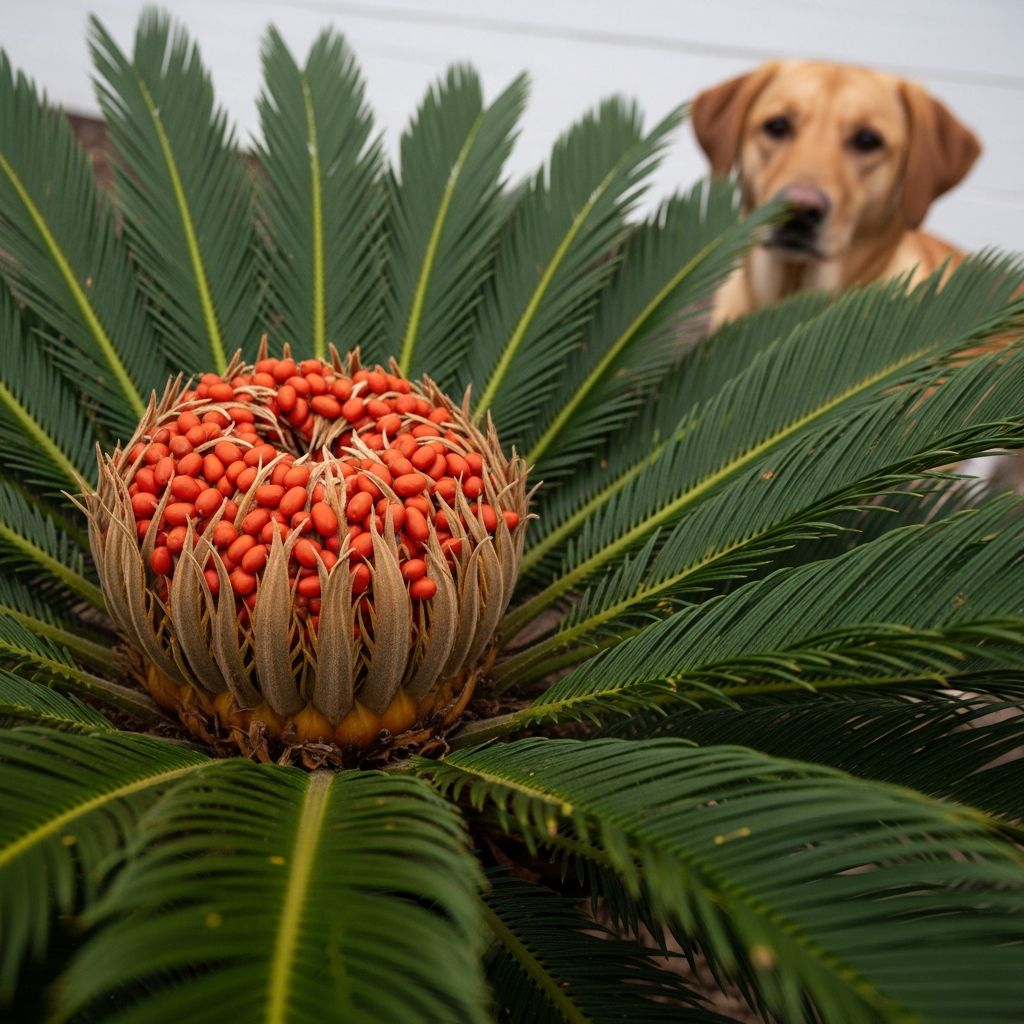
Ornamental sago palms, prized for their tropical appeal, harbor a potent toxin that can devastate a dog’s health. These plants, often found in homes and yards, contain cycasin, which targets the liver and triggers rapid deterioration. Pet owners must recognize this danger to act swiftly and save lives.
Understanding the Sago Palm Menace
Sago palms, scientifically known as Cycas revoluta, mimic true palms but belong to the cycad family. They thrive indoors and outdoors, making them popular in warm climates and as houseplants elsewhere. Every part—from feathery fronds to fleshy seeds—packs the hepatotoxic compound cycasin, with seeds being the most concentrated source.
Dogs are drawn to the plant’s novel texture and occasional fallen seeds, especially puppies exploring gardens. Ingestion as small as one or two seeds can prove lethal for a medium-sized dog, underscoring why vigilance is crucial in pet-friendly spaces.
Swift Onset of Poisoning Symptoms
Toxicity manifests quickly, with initial gastrointestinal distress appearing within 15 minutes to several hours post-ingestion. Early signs include relentless vomiting, bloody diarrhea, drooling, and abdominal discomfort, as the toxin irritates the digestive tract.
Without intervention, progression to liver assault occurs within 24-72 hours. Watch for jaundice (yellowing of gums, eyes, and skin), lethargy, weakness, wobbly movements, bruising from clotting failures, nosebleeds, dark urine, and in severe cases, seizures or coma. Blood sugar crashes and internal bleeding further complicate the crisis.
- Vomiting: Often the first alert, sometimes containing plant fragments.
- Diarrhea: May be profuse and hemorrhagic.
- Jaundice: Indicates liver damage, visible 1-3 days in.
- Neurological issues: Ataxia, tremors, or convulsions signal advanced toxicity.
- Coagulation defects: Bruising, bleeding gums, or bloody stools.
Diagnostic Approaches in Veterinary Care
Diagnosis hinges on exposure history, clinical presentation, and lab confirmation. Vets examine vomit for plant debris and run blood panels revealing skyrocketing liver enzymes (ALT, AST), elevated bilirubin, hypoglycemia, hypoalbuminemia, and prolonged clotting times.
Ultrasound may show liver swelling, while bile acid tests assess function. Early detection via these markers guides aggressive therapy, as delays worsen outcomes.
Emergency Treatment Protocols
There is no antidote for cycasin; management focuses on decontamination, stabilization, and liver support. If caught pre-symptomatically, vets induce emesis with apomorphine, followed by activated charcoal to bind toxins and gastric lavage for thorough cleansing.
| Stage of Toxicity | Primary Interventions |
|---|---|
| Early (Asymptomatic) | Induce vomiting, activated charcoal, IV fluids |
| Gastrointestinal Phase | Anti-emetics, gastroprotectants, fluids, monitor vitals |
| Hepatic Failure | IV fluids, hepatoprotectants (SAMe, silymarin), vitamin K1, plasma transfusions, antibiotics |
Hospitalization spans days to weeks, with continuous IV fluids flushing toxins, anti-nausea meds curbing vomiting, and hepatoprotectants like N-acetylcysteine shielding liver cells. Clotting issues demand vitamin K1 or fresh plasma; seizures require diazepam. Glucose supplementation counters hypoglycemia.
Prognosis Factors and Long-Term Outlook
Survival odds hinge on ingestion amount, treatment speed, and liver impact. Asymptomatic cases treated promptly boast excellent prognosis, often full recovery. Symptomatic dogs face guarded to poor chances; hepatic failure drops survival below 50%, with some succumbing to disseminated intravascular coagulation (DIC) or multi-organ shutdown.
Survivors may endure chronic liver disease, necessitating lifelong monitoring, low-protein diets, and supplements. Some regain normal function, but relapses occur under stress.
Prevention Strategies for Pet Owners
The best defense is elimination: remove sago palms from reachable areas or opt for pet-safe alternatives like bird of paradise or fishtail palms. Secure plants high up or in fenced yards, and educate family on risks.
- Survey your landscape for cycads and dispose safely.
- Use bitter sprays on tempting foliage.
- Train dogs with “leave it” commands.
- Collect and discard fallen seeds promptly.
Immediate vet contact upon suspicion—do not wait for symptoms or attempt home remedies like hydrogen peroxide, which risks aspiration.
Common Myths and Misconceptions
Myth: Only seeds are toxic. Reality: All parts endanger pets.
Myth: Mild vomiting self-resolves. Reality: It heralds catastrophe without care.
Myth: Cats are safe. Reality: They suffer similarly, though less prone to ingest.
FAQs on Sago Palm Toxicity in Dogs
What should I do if my dog eats a sago palm?
Rush to an emergency vet without delay. Provide details on amount and time ingested for optimal care.
How long do symptoms take to appear?
Gut signs in 15 minutes to hours; liver failure in 1-3 days.
Can my dog recover fully?
Yes, if treated early; advanced cases risk permanent damage or death.
Are there safe palm lookalikes?
Yes, like majesty or areca palms, but verify toxicity lists.
Is activated charcoal safe at home?
No—only vets administer it correctly to avoid complications.
Broader Implications for Pet Safety
Sago palm cases surge in spring with seed production, straining vet resources. Awareness campaigns and poison control hotlines (e.g., ASPCA) aid prevention. Pet owners should inventory plants annually, consulting ASPCA’s toxic list.
In multi-pet homes, isolate affected animals to curb curiosity. Insurance covering emergencies offsets costs, often thousands per case.
References
- Sago Palm Toxicosis — Savannah Veterinary Internal Medicine. 2023. https://savannahveterinary.com/pet-internal-medicine/sago-palm-toxicosis/
- Sago Palms and Dogs: What Pet Parents Need to Know — Veg.com. 2024. https://www.veg.com/post/sago-palms-and-dogs-what-pet-parents-need-to-know
- Sago Palm Poisoning in Dogs — Vetster. 2025. https://vetster.com/en/conditions/dog/sago-palm-poisoning
- Sago Palm Poisoning — VCA Animal Hospitals. 2024. https://vcahospitals.com/know-your-pet/sago-palm-poisoning
- Sago Palm Poisoning in Pets — Emergency Pet Care of Texas. 2023. https://www.emergencypetcareoftexas.com/blog/sago-palm-poisoning-in-pets
Similar Articles








Read full bio of Sneha Tete




