

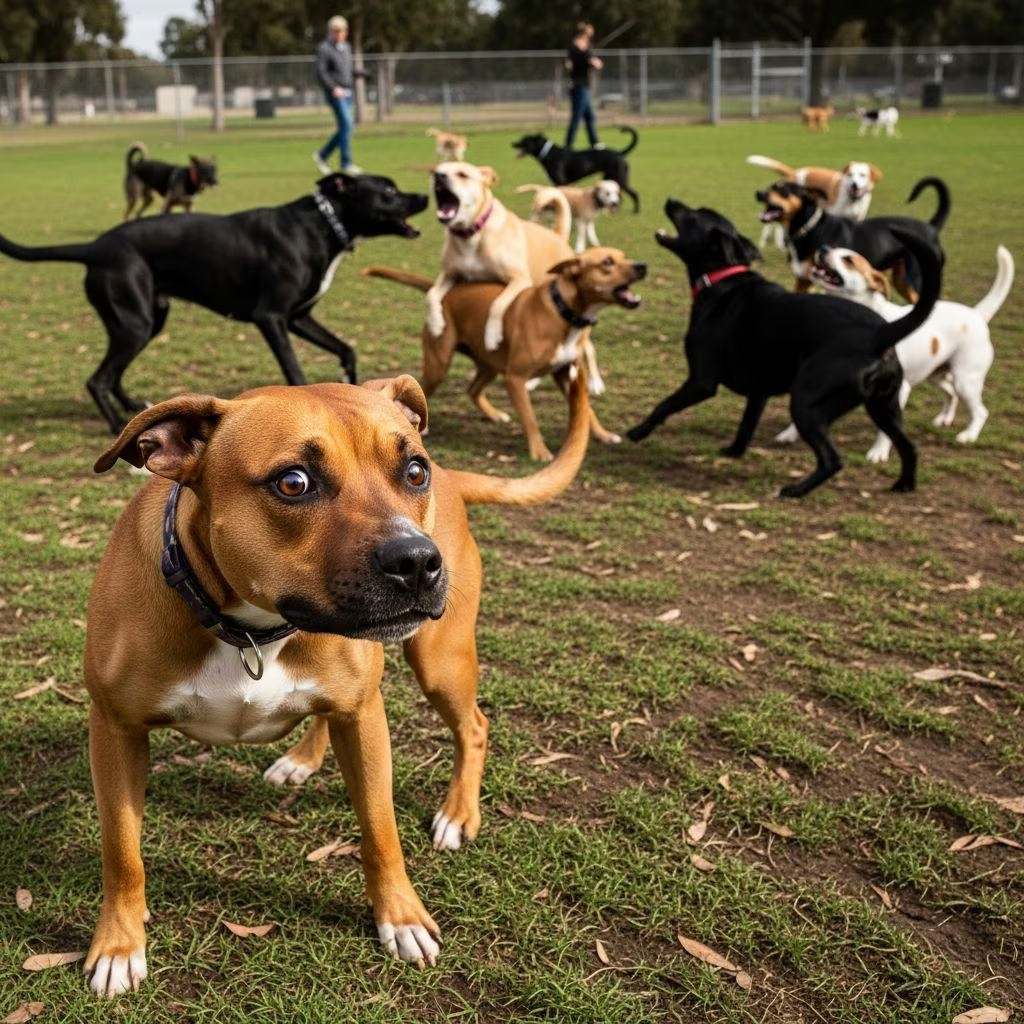
Public dog parks are marketed as ideal spots for dogs to exercise, socialize, and burn off energy. However, experts caution that these venues often present significant risks to canine physical health, mental well-being, and behavior. Trainer Charlie DiBono notes that a quick video of dogs at a park reveals issues like lack of boundaries, over-arousal, and bullying that owners may not recognize.
The Unexpected False Advertising of Public Dog Parks
Dog parks appear as paradises for play, but they can foster chaos rather than safe fun. Much like misleading advertising in other areas, these spaces promise controlled socialization but deliver unpredictable interactions. DiBono emphasizes that forcing dogs with incompatible play styles into enclosed areas is akin to a tense family gathering where differences spark conflict. Overstimulation leads dogs to rush in with zoomies, mistaking high arousal for joy, which frequently escalates to fights.
Health risks compound the behavioral ones. Without vetting, dogs may carry unvaccinated status, parasites, or infectious diseases. Intact dogs (not spayed or neutered) heighten tensions through hormonal behaviors, increasing aggression or mounting incidents. Environmental hazards like hot pavement causing paw burns, contaminated water sources, or traffic near entrances add physical dangers.
Behavioral Issues Can Start at the Dog Park
Dog parks often ignite or worsen behavioral problems, particularly for sensitive pups. Anxious dogs face overwhelming stimuli from crowds of unfamiliar dogs and humans, leading to fear responses that solidify over time. A single negative encounter can imprint lifelong wariness toward other dogs.
Even “fun” sessions sow seeds of trouble. Dogs learn poor habits like excessive barking, fence fighting, or digging from peers. Post-park, overexcitement translates to leash reactivity, where pups strain to greet every passing dog. Incompatible play styles—such as rough wrestlers versus gentle sniffers—inevitably clash in confined spaces.
- Over-arousal: Dogs enter hyper states, misread as excitement, prompting defensive reactions from others.
- Bullying dynamics: Dominant dogs intimidate milder ones without owner intervention.
- Fear escalation: Timid dogs cower or freeze, building anxiety.
Veterinary technician Dyanna Durr from VCA Animal Hospitals describes dog parks as high-energy, unpredictable environments unsuitable for all dogs. Signs your dog is struggling include cowering, lip licking, head lowering, or escape attempts—promptly exit if observed.
Some Issues Start After You Leave the Dog Park
Problems don’t end at the gate. Latent effects emerge during walks or at home. Dogs conditioned to charge every canine they spot develop pulling or reactivity on leash. Mimicked behaviors like digging persist, turning yards into craters.
Long-term, repeated exposure reinforces poor social skills. What begins as minor scuffles can evolve into full fights, eroding trust in off-leash settings. DiBono advises monitoring for delayed signs like sudden wariness or fixation on other dogs post-visit.
Signs Your Dog Shouldn’t Go to the Dog Park
Not every dog thrives in public parks. Certified experts list clear indicators to skip them:
- Natural anxiety: Shy dogs overwhelmed by chaos.
- Reactivity: Lunging or barking at triggers.
- Intact status: Hormones fuel conflicts.
- Age extremes: Puppies under 16 weeks risk disease; seniors tire quickly.
- Recent illness: Vulnerable to infections.
- Rumors of problem dogs: Unsupervised aggressive pups.
- Rule-breaking owners: Distracted parents invite trouble.
Durr recommends alternatives like controlled walks with calm dogs to build confidence gradually.
Dog Park Etiquette: Rules for Going to the Dog Park
If visiting despite risks, adhere strictly to etiquette for collective safety. Each park posts rules—read them first.
Dog Park Dos
- Supervise actively: No phones; watch body language like stiff postures or direct stares signaling tension.
- Check play compatibility: Ask owners if styles match; yield space if needed.
- Enter thoughtfully: Let your dog acclimate at the gate; avoid overwhelming groups.
- Clean up: Scoop waste immediately.
- Know exit cues: Leave if your dog shows stress or inclement weather looms.
Dog Park Don’ts
- No treats/toys: Sparks resource guarding, especially in aroused states.
- Keep unleashed (in off-leash areas): Leashed dogs stress others; it creates targets.
- Avoid extremes: Skip scorching heat (heatstroke risk) or bitter cold (hypothermia).
- No small children: Toddlers provoke or get hurt.
- Don’t ignore fights: Stay calm, separate safely without hands near mouths.
| Do | Don’t |
|---|---|
| Communicate with owners | Bring food/toys |
| Monitor weather | Leash in off-leash zones |
| Leave at stress signs | Be distracted by phone |
Safer Alternatives to Public Dog Parks
Forgo public risks with vetted options. Apps like Sniffspot rent private fields hourly for controlled play—ideal for temperament mismatches.
Membership parks like DOG PPL require vet records, spay/neuter proof, vaccinations, and behavior assessments. Founders Liam Underwood and team ensure sanitary spaces, supervision, and sociable dogs only, fostering true community. Early members now staff, monitoring changes in behavior.
- Private rentals: Sniffspot—exclusive access, no crowds.
- Vetted clubs: DOG PPL—health/behavior screened.
- Playdates: Match via apps with known dogs.
- Walks/hikes: Leashed socialization in low-stimuli areas.
Underwood captures the magic: “When you’re at a dog park with the right people… Time gets lost… That’s what we wanted to harness”. Prioritize gut instinct—your dog’s safety first.
Frequently Asked Questions (FAQs)
Q: Are public dog parks safe for all dogs?
A: No, they pose risks like fights, disease, and overstimulation, especially for anxious or reactive dogs. Opt for alternatives.
Q: What if my dog loves the dog park?
A: Enthusiasm may mask over-arousal leading to conflicts. Watch for post-visit reactivity.
Q: Should I leash my dog inside the park?
A: No, in off-leash areas, as it stresses them amid free-roaming dogs.
Q: How to prevent overwhelm at first entry?
A: Provide space at the gate for sniffing and observing before full entry.
Q: What’s the best alternative to public parks?
A: Private rentals via Sniffspot or vetted clubs like DOG PPL for controlled, safe fun.
Q: Signs of trouble during play?
A: Stiffening, staring, cowering, lip licking—intervene and exit.
References
- Consider These Potential Issues Before Going to Public Dog Parks — Kinship. 2023. https://www.kinship.com/dog-behavior/safety-concerns-at-dog-parks
- DOG PPL Is the Safe Dog Park You’ve (Still) Been Dreaming Of — Kinship. 2023. https://www.kinship.com/dog-lifestyle/dog-ppl-dog-park
- Dog Park Etiquette: Rules for Going to the Dog Park — Kinship. 2023. https://www.kinship.com/dog-lifestyle/dog-park-rules
- 12 Signs You Shouldn’t Take Your Dog to the Dog Park — Kinship. 2023. https://www.kinship.com/dog-behavior/signs-dog-should-not-go-to-dog-park
- American Veterinary Medical Association: Canine Behavior Guidelines — AVMA (.gov equivalent authority). 2024-05-15. https://www.avma.org/resources-tools/pet-owners/petcare/canine-behavior



