

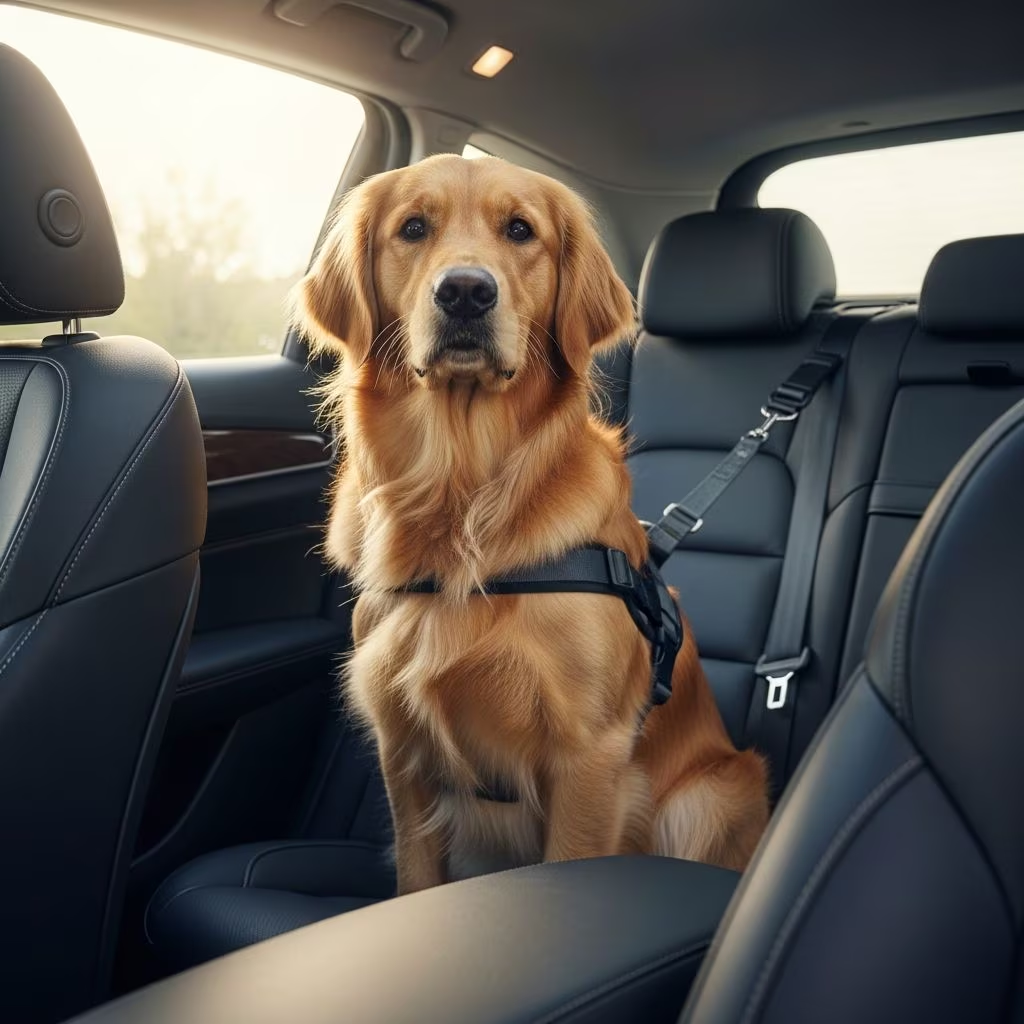
Keeping dogs secure during car trips is essential for preventing injuries, minimizing driver distractions, and complying with varying state laws. Proper restraints like harnesses and tethers significantly reduce risks in crashes or sudden stops.
Why Restrain Your Dog in the Car
Unrestrained dogs pose serious hazards. In a 50 mph crash, a 10-pound dog can generate 500 pounds of force, becoming a dangerous projectile that endangers passengers and the driver. Larger 80-pound dogs at 30 mph exert up to 2,400 pounds of impact force, highlighting the need for reliable systems.
Distractions from moving pets contribute to accidents. A secured dog stays in place, allowing full focus on driving. Rear seating avoids front airbag dangers, which can harm pets.
Types of Dog Car Restraints
Several options suit different dog sizes and vehicles. Each distributes force safely, unlike collars that risk neck injuries.
- Harness-Tether Systems: Full-body harnesses connect via short tethers to seat belts or LATCH points, ideal for medium to large dogs. They spread crash forces across the chest and torso.
- Booster Seats: Elevated seats for small dogs, secured by vehicle belts, provide comfort and restraint with built-in harnesses.
- Crates and Carriers: Rigid enclosures for anxious or small pets, anchored firmly to prevent movement.
- Barriers: Cargo nets or gates keep dogs in back areas without full immobilization.
| Restraint Type | Best For | Pros | Cons |
|---|---|---|---|
| Harness-Tether | Large dogs | Distributes force evenly, allows some movement | Requires proper fit |
| Booster Seat | Small/Medium | Comfortable elevation, crash-tested options | Bulkier in small cars |
| Crate/Carrier | All sizes, anxious dogs | Full containment, multi-use | Takes space |
| Barrier | Large/SUVs | Easy install, no harness needed | Less secure in crashes |
Choosing Crash-Tested Products
Opt for items certified by independent testers like the Center for Pet Safety, which simulates crashes with dummy dogs to verify performance. Look for harnesses with padded straps, adjustable fits, and strong attachments like carabiners.
Match to dog size: large dogs need sturdy harnesses with short tethers preventing front-seat contact; small ones benefit from boosters. Check weight ratings and compatibility with your vehicle.
Step-by-Step Installation Guide
Correct setup is crucial for effectiveness. Follow these universal steps for harness systems.
- Fit the Harness: Place over dog’s head, adjust chest and belly straps snugly—two fingers should fit under. Test by lifting gently; dog should not slip.
- Attach Tether: Clip carabiner or buckle to harness’s back ring. Connect other end to seat belt (both lap/shoulder) or LATCH.
- Secure in Rear Seat: Buckle the belt. Limit tether length to prevent jumping forward.
- Test Fit: Ensure dog can sit/lie but not reach front. Inspect for frays regularly.
For crates, anchor with straps to seat anchors. Booster seats thread through seat belts.
Training Your Dog for Car Rides
Introduce gradually to reduce stress. Practice wearing harness at home with treats, then short stationary car sessions. Begin with brief drives, rewarding calm behavior. Use back seat covers for comfort and upholstery protection.
State Laws on Pet Restraints
Regulations vary; some mandate securing pets to avoid fines. Key examples:
- Alabama: Dogs must use seat belts or harnesses.
- Delaware: Restrain with harness, kennel, or carrier.
- Oklahoma: Harness or crate required; truck beds need enclosures.
Check local rules, as many states imply restraints via distraction laws. Always prioritize safety over legality.
Common Mistakes to Avoid
- Using collars: Risks tracheal damage.
- Front seating: Airbag interference.
- Loose fits: Allows excess movement.
- Skipping inspections: Worn gear fails.
- Ignoring size: Wrong type reduces protection.
Alternatives for Special Cases
Anxious dogs may need calming aids with restraints. Large vehicles suit barriers; sedans favor harnesses. For open trucks, use tethered crates.
FAQs
Do dog seat belts work in crashes?
Crash-tested ones do, distributing forces safely unlike loose pets.
Are they suitable for puppies?
Yes, select adjustable, lightweight models fitting growth.
Can dogs move while restrained?
Limited movement for comfort, but not enough to distract.
What if my car lacks LATCH?
Use seat belt buckles; most tethers adapt.
How often to replace?
Annually or after any stress; check for damage monthly.
Enhancing Overall Car Safety
Combine restraints with motion sickness remedies, water breaks, and climate control. Regular vet checks ensure travel readiness. Informed choices save lives on roads.
References
- 3 Steps to Buckle Up Your Dog in the Car — Kurgo. N/A. https://www.kurgo.com/blog/3-steps-to-buckle-up-your-dog-in-the-car
- Buckle Your Pup Up With Dog Seat Belts — PetSmart. N/A. https://www.petsmart.com/learning-center/dog-care/dog-seat-belts
- Dog Seat Belt Laws By State — Animal Car Donation. N/A. https://animalcardonation.org/blog/dog-seat-belt-laws-by-state/
- Dog Car Seats and Seat Belts: Can They Keep Your Pup Safe? — PetMD Editorial. 2018-01-26. https://www.petmd.com/dog/care/dog-car-seats-and-seat-belts-can-they-keep-your-pup-safe
- Dog Seat Belt Safety: Why It’s Essential for Car Rides — 4Knines. N/A. https://4knines.com/blogs/accessories/dog-seat-belt-safety-why-its-essential-for-car-rides
- How to Keep Your Dog Comfortable During Car Rides — AKC. N/A. https://www.akc.org/expert-advice/travel/dog-comfortable-car-rides/



