Safest Chew Bones for Dogs
Discover the safest chew bones for your dog, balancing dental health benefits with injury prevention through expert veterinary insights.
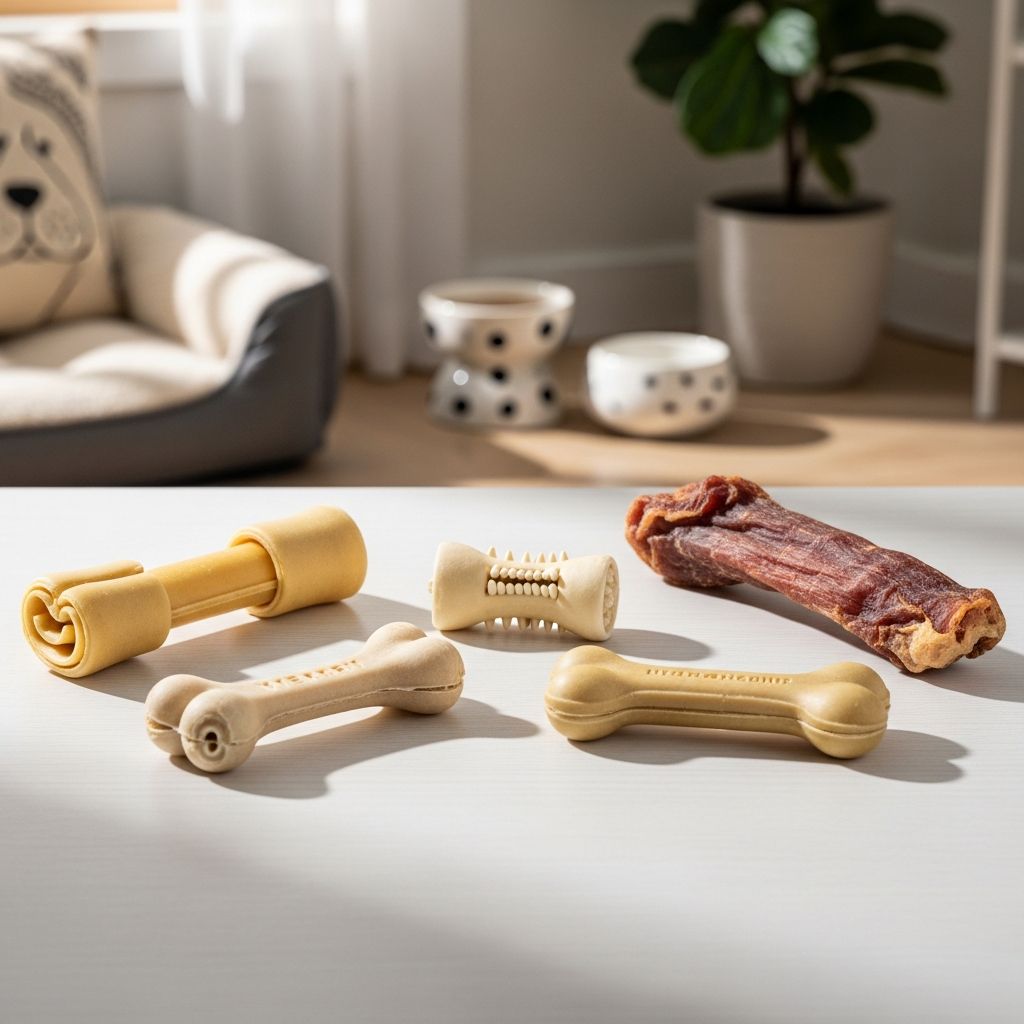
Choosing the right chew bones for your dog involves balancing natural instincts with safety concerns. Veterinary experts emphasize options that support dental hygiene and mental well-being while minimizing risks like tooth fractures or digestive blockages.
Why Dogs Need Safe Chewing Options
Dogs instinctively chew to explore their world, relieve stress, and maintain oral health. Providing appropriate chews satisfies these needs without endangering their well-being. Chewing promotes saliva production, which neutralizes acids and combats plaque buildup, contributing to stronger teeth and gums.
Nutritionally, certain raw chews deliver calcium, phosphorus, and fats from marrow, supplementing a balanced diet. Behaviorally, they redirect energy from destructive habits like furniture gnawing, fostering calmer households.
Health Benefits of Supervised Chewing
- Dental Maintenance: Abrasive surfaces scrape away tartar, reducing gum disease risk. Studies show significant calculus reduction with consistent use of suitable bones.
- Mental Enrichment: Engages problem-solving instincts, alleviating boredom and anxiety in confined spaces.
- Nutrient Boost: Raw varieties offer minerals essential for bone health, especially in growing puppies.
Research on laboratory dogs demonstrated up to 70% tartar reduction after short-term raw bone chewing, with minimal complications when supervised.
Critical Risks and How to Mitigate Them
Despite benefits, improper chews pose dangers. Splintering fragments can lacerate mouths, cause choking, or block intestines, sometimes requiring surgery. Cooked bones exacerbate splintering due to brittleness.
| Risk | Description | High-Risk Groups |
|---|---|---|
| Dental Fractures | Cracks from overly hard materials | Aggressive chewers, senior dogs |
| Choking/Obstruction | Swallowed shards block airways or gut | Small breeds, gulpers |
| Bacterial Exposure | Pathogens on raw products | Puppies, immunocompromised |
| Constipation | Excessive indigestible fragments | All dogs if unsupervised |
The FDA warns of potential GI issues, vomiting, and rectal bleeding from bones. Always supervise, match size to dog breed, and discard small remnants.
Top Recommended Natural Chew Types
Raw Meaty Bones: The Preferred Choice
Uncooked, meat-covered bones like chicken necks or turkey wings flex rather than shatter. They mimic ancestral diets, providing hydration and enzymes. Limit sessions to 15-20 minutes to prevent overconsumption.
- Beef ribs (non-weight-bearing)
- Lamb necks
- Raw duck feet
Raw options show lower splinter risk compared to cooked.
Soft and Spongy Alternatives
Softer bones reduce fracture odds. Calf knuckles or spongy trabecular bones clean effectively with less trauma. One study noted 90% calculus removal despite minor gingival irritation.
Synthetic and Engineered Chews for Safety
For risk-averse owners, lab-tested synthetics offer durability without biological hazards. Look for VOHC seals, indicating proven plaque reduction.
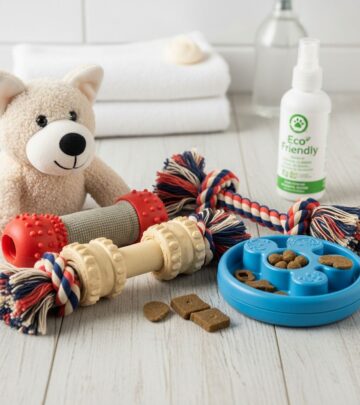
- Nylon-based chews with flavors
- Rubber toys infused with treats
- Vegetable starch compressions
These withstand aggressive chewing longer, though they lack nutritional depth. WebMD notes reduced plaque in regular users.
Banned and Hazardous Options to Avoid
Steer clear of cooked bones, antlers, hooves, and yak chews due to extreme hardness. Rawhide, while popular, expands in stomachs, risking blockages—especially problematic for fast eaters.
AAHA advises against items causing tooth damage like rocks or sticks.
Selecting Chews by Dog Profile
| Dog Size/Type | Safe Chew Examples | Supervision Level |
|---|---|---|
| Small (<20 lbs) | Chicken feet, soft rubber | High |
| Medium (20-50 lbs) | Turkey necks, nylon bones | Medium |
| Large (>50 lbs) | Beef ribs, durable synthetics | Medium |
| Puppies/Seniors | Soft raw, VOHC chews | High |
Tailor to chewing style: power chewers need tougher synthetics; light chewers thrive on edibles.
Practical Guidelines for Safe Chewing Sessions
- Introduce gradually, monitoring reactions.
- Provide in crate or open area away from carpets.
- Remove when 1-2 inches remain or splintering starts.
- Wash raw chews between uses; freeze for bacteria control.
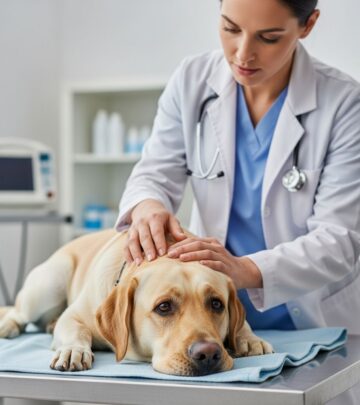
- Consult vets for dogs with dental history.
Zoetis highlights even raw bones carry risks, urging VOHC alternatives.
FAQs on Dog Chew Safety
Are raw bones safer than cooked ones?
Yes, raw bones are more pliable and less prone to splintering, though supervision is essential.
Can chewing bones prevent vet dental cleanings?
It can extend intervals by reducing tartar, but no chew replaces professional care.
What if my dog swallows a large piece?
Monitor for vomiting, lethargy, or constipation; seek emergency care if symptoms appear.
Are synthetic chews nutritionally valuable?
They excel in safety and dental benefits but offer minimal calories or minerals.
How often should I give chews?
2-3 times weekly, 15-30 minutes per session, adjusting for size and activity.
Long-Term Oral Health Strategies
Combine chews with brushing, dental diets, and annual exams. Early puppy exposure to raw chews correlates with fewer GI issues later. Track progress with dental charts.
For aggressive chewers, rotate types to prevent wear patterns. Owners report calmer pets and fresher breath with consistent routines.
References
- Should I allow my dog to chew bones? | Huntsville Vets — Whitesburg Animal Hospital. 2023-06-16. https://www.whitesburganimalhospital.com/site/blog/2023/06/16/dog-bone-safety
- 3 reasons to give your dog a chew bone — PrimaDog. N/A. https://www.primadog.com/dog-nutrition/3-reasons-give-your-dog-chew-bone
- Rawhide Bones and Treats for Dogs: Risks and Benefits — WebMD. N/A. https://www.webmd.com/pets/dogs/rawhide-good-or-bad-for-your-dog
- The Benefits and Risks of Chew Treats — Today’s Veterinary Practice. N/A. https://todaysveterinarypractice.com/nutrition/the-benefits-and-risks-of-chew-treats/
- Dog Bone Safety: What You Need to Know — Zoetis Petcare. N/A. https://www.zoetispetcare.com/blog/article/dog-bone-safety
- Dog Bone Safety: Can Dogs Eat Bones? — Orlando Vet. 2024-05-15. https://www.eoah.com/site/blog/2024/05/15/dog-bone-safety-can-dogs-eat-bones
- Don’t Chew On This! — AAHA. N/A. https://www.aaha.org/dont-chew-on-this/
Similar Articles




Read full bio of Sneha Tete