

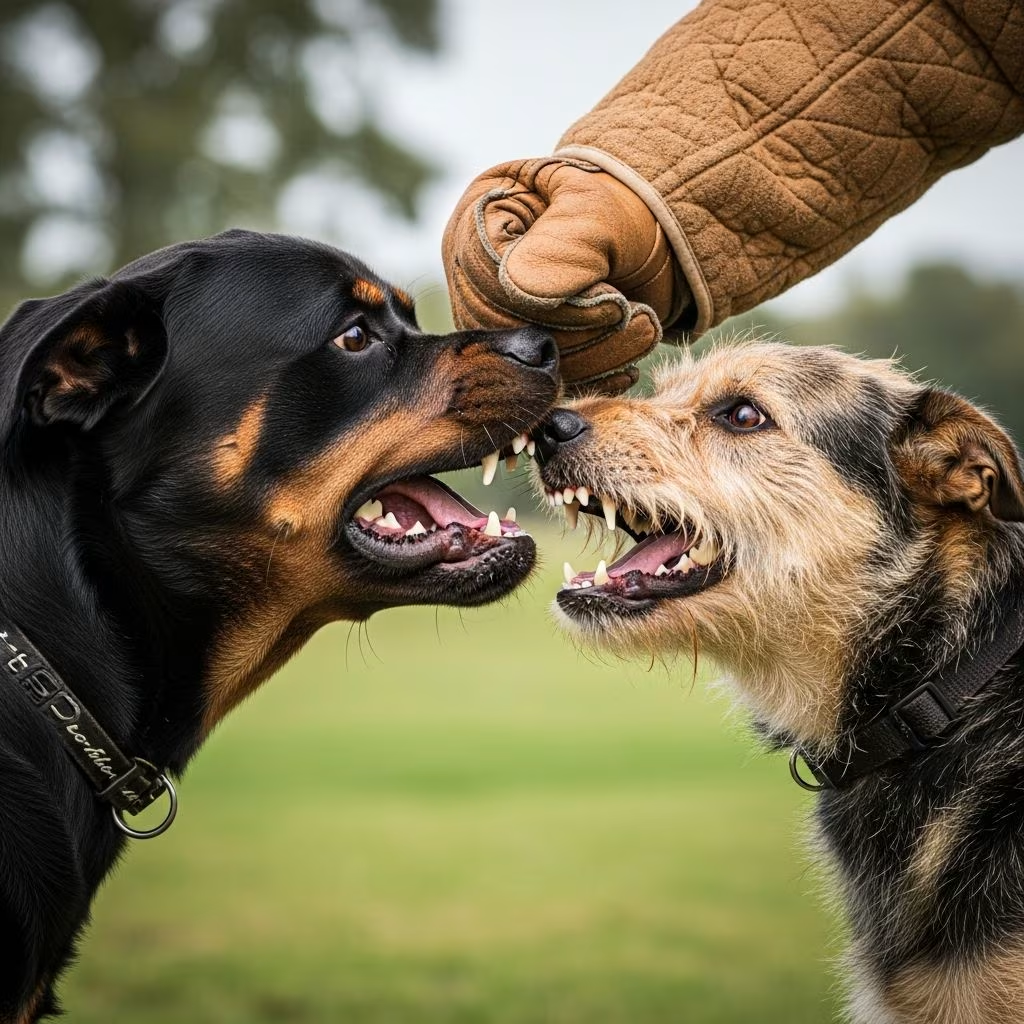
Dog fights can erupt suddenly, posing risks to pets and owners alike. Understanding immediate intervention methods and long-term prevention is essential for multi-dog homes or social settings.
Recognizing the Onset of Aggression
Early detection of tension prevents escalation. Watch for stiff postures, intense staring, raised hackles, or growling, which signal impending conflict. Addressing these cues promptly avoids physical confrontations.
In group walks or play sessions, monitor body language closely. Dogs showing resource guarding over toys or space often initiate disputes. Training to recognize these signs empowers owners to intervene before bites occur.
Immediate Distraction Techniques
Non-physical methods disrupt focus without direct contact, minimizing injury risk.
- Loud noises: Clap hands sharply, yell commands, or use an air horn/whistle to startle dogs apart.
- Water sprays: Hose, bottle, or bucket water startles and separates fighters temporarily.
- Citronella or deterrents: Quick bursts interrupt without causing harm; check local regulations.
- Thrown objects: Toss high-value treats away from the conflict to redirect attention.
These work best in early stages. Follow up by creating distance immediately after distraction.
| Method | Pros | Cons |
|---|---|---|
| Loud Noise | Always available, no tools needed | May increase arousal in some dogs |
| Water Spray | Effective, cooling effect | Not feasible indoors or in dry areas |
| Citronella | Non-toxic, portable | Requires carrying spray |
Physical Separation Strategies
When distractions fail, use barriers or hands-on methods cautiously.
Barrier Interventions
Objects block vision and access, allowing safe separation.
- Backpacks, chairs, or umbrellas create instant walls.
- Environmental aids like trees, cars, or fences provide natural shields.
- For small dogs, lift to elevated surfaces or enclosures quickly.
Two-Person Wheelbarrow Method
The most reliable hands-on approach requires coordination.
- Each handler grabs hind legs of one dog, lifting like a wheelbarrow.
- Back away while circling to prevent re-engagement.
- Confine one dog securely before release.
This keeps bites directed forward, away from handlers. Practice mentally for calm execution.
Solo Handstand Pull
For single handlers, target the aggressor: grasp hips/hindquarters, lift into handstand position, and retreat rapidly. Avoid collar grabs to prevent bites.
Advanced Tools for Stubborn Fights
Specialized items aid in high-risk scenarios.
- Break sticks: For latch-holding breeds, insert into jaw side and twist to release.
- Slip leashes: Loop around neck without collar contact for control.
- High-ground relocation: Place smaller dogs on platforms or in carriers.
Carry these in bags for walks. Stun devices or pepper sprays are controversial due to potential harm or legal issues.
Post-Fight Protocols
After separation, prioritize safety and assessment.
- Secure dogs in separate, confined areas.
- Check for wounds; clean minor punctures, seek vet for deep injuries.
- Observe for redirected aggression or shock signs like panting or trembling.
Never reintroduce immediately. Log details: triggers, duration, injuries for behaviorists.
Prevention in Multi-Dog Households
Proactive management reduces incidents dramatically.
Supervised Interactions
Separate during absences or high-stress times like greetings. Use baby gates or crates for controlled reunions.
Training Foundations
Teach “leave it” and recall commands. Desensitize to triggers via counter-conditioning with rewards.
- Resource guarding: Trade items for treats.
- Walk etiquette: Short leashes, same-side holding for control.
Professional Guidance
Consult certified trainers for aggression roots. Remote collars may condition against staring in severe cases, timing for pre-aggression.
Risk Factors and Myths Debunked
Certain breeds aren’t inherently aggressive; poor socialization, pain, or fear drives fights. Myth: Grabbing collars safely—dogs redirect bites easily.
Females fight as fiercely as males. Spaying/neutering helps but doesn’t eliminate risks.
Legal and Ethical Considerations
Know local laws on deterrents. Prioritize welfare: euthanasia is last resort after behavior mods fail.
Frequently Asked Questions
What if I’m alone during a fight?
Use barriers or solo lift on aggressor; yell for help while acting.
Can fights resolve without intervention?
Brief scuffles often do, but monitor to prevent injury.
Is pepper spray safe?
It risks escalation; prefer citronella or water.
How to prevent sibling rivalry?
Separate unsupervised, equal attention, professional eval.
When to see a vet post-fight?
Always for punctures; watch for infection 24-48 hours.
Building a Safer Dog Environment
Enrich with individual exercise, mental games. Rotate toys to curb guarding. Regular health checks rule out pain triggers.
Group training classes improve social skills under supervision.
References
- Dog fights: How to prevent them and how to break them up — BC SPCA. Accessed 2026. https://spca.bc.ca/news/dog-fights-how-to-prevent-them-and-how-to-break-them-up/
- Dog Fight? How to keep your cool and separate dogs safely — Kristi Benson. 2023-10-13. http://www.kristibenson.com/blog/2023/10/13/dog-fight-how-to-keep-your-cool-and-separate-dogs-safely
- How to Stop a Dog Fight – Behavior Triage — Wise Mind Canine. Accessed 2026. https://wisemindcanine.com/blog/stop-a-dog-fight-behavior-triage/
- How to Break Up a Dog Fight Without Getting Hurt — Leerburg. Accessed 2026. https://leerburg.com/dogfight.htm
- Stopping and Avoiding a Dog Fight — Washington PA Shelter. 2015-04. https://washingtonpashelter.org/wp-content/uploads/2015/04/Stopping-and-Avoiding-a-Dog-Fight.pdf
- Dog Behavior Problems – Aggression – Sibling Rivalry – Treatment — VCA Animal Hospitals. Accessed 2026. https://vcahospitals.com/know-your-pet/dog-behavior-problems-aggression-sibling-rivalry-treatment



