

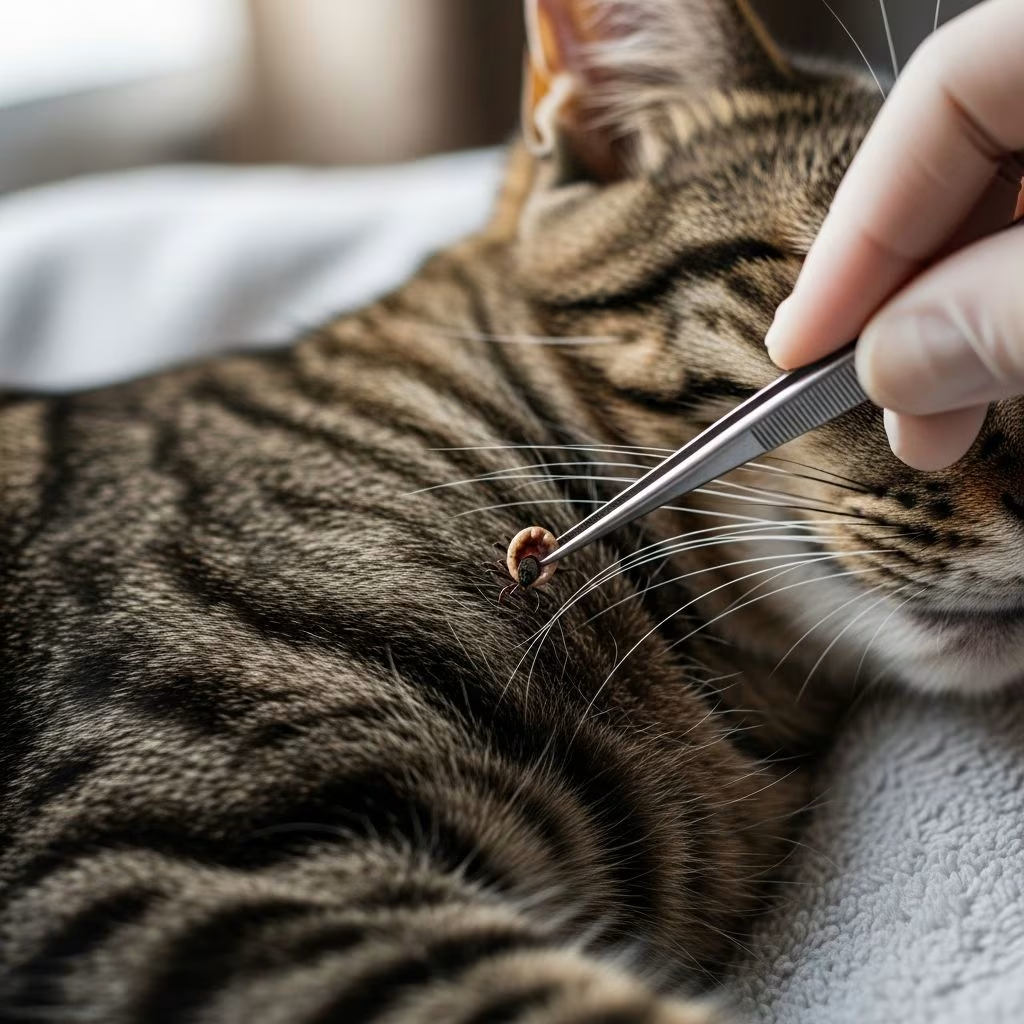
Ticks pose a significant threat to cats, capable of transmitting serious diseases through their bites. Prompt and proper removal is crucial to minimize health risks for your feline companion. This comprehensive guide outlines identification, safe extraction methods, post-removal care, prevention strategies, and indicators for veterinary intervention, drawing from veterinary best practices.
Understanding Ticks and Their Impact on Cats
Ticks are external parasites that latch onto a cat’s skin to feed on blood, potentially carrying pathogens like bacteria and viruses. Unlike fleas, ticks embed their mouthparts deeply, making removal challenging. Cats roaming outdoors or in wooded areas face higher exposure, especially during warmer months when ticks are active.
Common species affecting cats include the black-legged tick and American dog tick, which can spread illnesses such as Lyme disease or cytauxzoonosis. Early detection prevents complications like anemia, skin infections, or systemic infections that may manifest weeks later.
Spotting Ticks on Your Cat
Regular checks are vital since ticks often hide in fur. Focus on these high-risk areas:
- Ears and ear flaps
- Neck and head
- Armpits and groin
- Between toes
- Around the tail base
Ticks appear as small, dark bumps—dark brown or black when unfed, swelling to gray or red when engorged. They have eight legs and a hard body, distinguishing them from skin tags or debris. Part the fur gently under good lighting; a magnifying glass helps for tiny nymphs.
Essential Tools for Tick Removal
Gather supplies before starting to ensure a smooth process:
| Tool | Purpose |
|---|---|
| Fine-tipped tweezers or tick hook | Precise grasping near skin without squeezing |
| Latex or nitrile gloves | Protects handler from pathogens |
| Isopropyl alcohol (rubbing alcohol) | Kills and preserves tick |
| Antiseptic (chlorhexidine or povidone-iodine) | Cleans bite site |
| Small container or jar lid | Holds alcohol for tick disposal |
| Pet treats | Distracts and calms cat |
Specialized tick removal tools, available at pet stores, feature a slit for hooking and twisting the tick free.
Step-by-Step Guide: Removing Ticks with Tweezers
- Prepare your cat: Calm your cat in a quiet area. Use treats or a helper to restrain gently without stress.
- Don protective gloves: Prevent direct contact with tick fluids.
- Isolate the tick: Part fur to expose the tick fully, confirming it’s not a wart.
- Grasp precisely: Position tweezers as close to the skin as possible, targeting the head and mouthparts. Avoid squeezing the body to prevent injecting fluids.
- Pull steadily: Apply even, upward pressure without twisting or jerking. Patience ensures complete removal.
- Inspect: Verify the entire tick, including head, is extracted. A black dot indicates leftover mouthparts—seek vet help.
Using Specialized Tick Removal Tools
For easier extraction, opt for tools like tick hooks or twisters, recommended by vets.
- Slide the tool’s slit under the tick, flush against skin.
- Rotate clockwise or counterclockwise 2-3 times until the tick detaches.
- Lift away smoothly; the design minimizes squeezing risks.
These outperform tweezers for embedded ticks, reducing infection chances.
Post-Removal Care for Your Cat
After extraction:
- Disinfect: Apply pet-safe antiseptic to the site to ward off bacteria.
- Monitor daily: Watch for redness, swelling, limping, lethargy, or fever—signs of infection or disease.
- Observe behavior: Appetite loss or unusual grooming may signal issues.
Save the tick in alcohol for vet identification if symptoms arise.
Safe Tick Disposal Methods
Never crush ticks with fingers, as this releases infectious fluids. Instead:
- Submerge in rubbing alcohol for 20-30 minutes to kill.
- Seal in a bag or tape to a card, then trash or flush.
- Wash hands thoroughly and clean tools with alcohol.
Prevention: Keeping Ticks Off Your Cat
Proactive measures reduce encounters:
- Topical treatments: Apply vet-recommended spot-ons monthly between shoulder blades; allow drying before contact.
- Collars: Use tick-repellent collars fitted snugly, preventing chewing.
- Environmental control: Mow lawns, remove leaf litter, and avoid tick-heavy areas.
- Routine checks: Comb fur weekly, even indoors.
- Vet consultations: Discuss oral preventives or vaccines where available.
Combine methods for year-round protection, as climate change extends tick seasons.
Diseases Transmitted by Ticks to Cats
| Disease | Symptoms | Treatment |
|---|---|---|
| Lyme Disease | Fever, lameness, swollen joints | Antibiotics |
| Cytauxzoonosis | Anemia, jaundice, collapse | Supportive care, antiparasitics |
| Ehrlichiosis | Lethargy, bleeding, weight loss | Doxycycline therapy |
Incubation varies from days to months; testing confirms diagnosis.
When to Contact a Veterinarian
Seek professional help if:
- Tick mouthparts remain embedded.
- Multiple ticks are present.
- Your cat resists handling aggressively.
- Bite site shows pus, severe swelling, or doesn’t heal in days.
- Systemic symptoms like vomiting or seizures appear.
Vets use magnification or sedation for safe removal.
Common Mistakes to Avoid
- Twisting with tweezers: Risks breaking mouthparts.
- Squeezing body: Forces disease agents into skin.
- Using heat, petroleum jelly, or nail polish: Causes tick regurgitation.
- Ignoring tiny ticks: Nymphs transmit diseases efficiently.
FAQs
Can I use regular tweezers for tick removal?
Fine-tipped ones work best; avoid blunt types that crush.
How long after a bite do symptoms show?
Weeks to months; monitor closely.
Are tick preventives safe for kittens?
Age-specific products exist—consult your vet.
What if my indoor cat gets ticks?
They hitchhike via clothing or other pets; check everyone.
Do ticks jump like fleas?
No, they crawl and quest from vegetation.
Seasonal Tick Awareness
Peak activity occurs spring through fall, but mild winters extend risks. Adjust routines accordingly for outdoor cats.
References
- How to treat your cat for ticks — Merck Animal Health. 2023. https://www.merck-animal-health-usa.com/pet-owners/pet-health/fleas-ticks/how-to-treat-your-cat-for-ticks/
- How to Remove a Tick From a Cat — PetMD. 2024-02-15. https://www.petmd.com/cat/care/how-remove-tick-cat
- Ticks and Tick Removal — International Cat Care. 2023. https://icatcare.org/articles/ticks-and-tick-removal
- Cats and Ticks | How to Spot and Remove Ticks — Blue Cross. 2024. https://www.bluecross.org.uk/advice/cat/health-and-injuries/cats-and-ticks
- Cats and Ticks: How to Spot & Remove — American Red Cross. 2023. https://www.redcross.org/take-a-class/resources/learn-pet-first-aid/cat/ticks
- Ticks on dogs and cats — RSPCA. 2024-01-10. https://www.rspca.org.uk/adviceandwelfare/pets/general/ticks



