

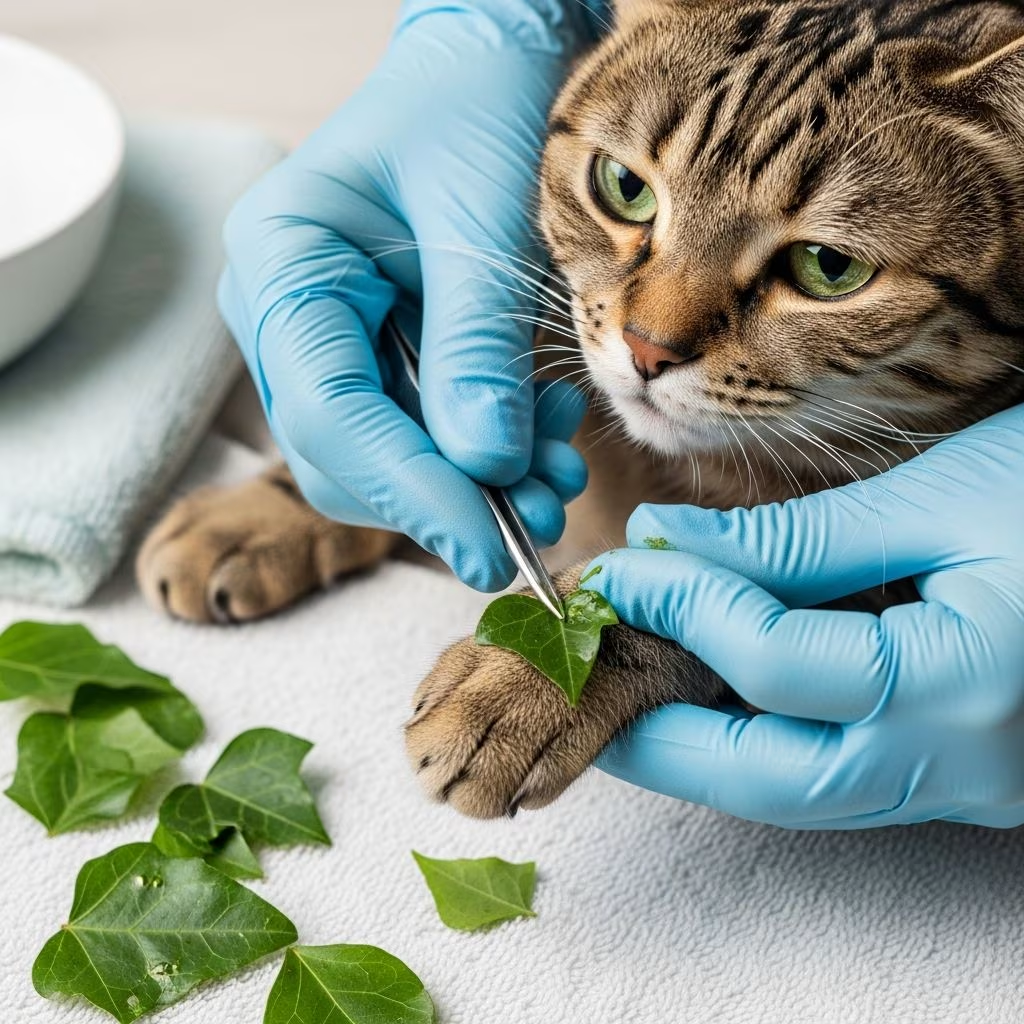
Poison ivy exposure poses a unique challenge for cat owners because the plant’s irritating oil, urushiol, can cling to fur and transfer to humans, even if cats rarely show severe symptoms themselves. Prompt action to cleanse your cat and surroundings minimizes risks like secondary infections or prolonged discomfort.
Understanding Poison Ivy and Its Effects on Felines
The toxic component in poison ivy, known as urushiol, triggers allergic reactions in many mammals by penetrating the skin and causing inflammation. Cats’ dense fur acts as a natural barrier, shielding their skin from direct contact in most cases. However, sparsely haired areas such as the face, belly, or paws remain vulnerable, potentially leading to redness, itching, or blisters.
Unlike humans, where rashes are common, felines often serve as unwitting carriers of the oil. They can groom themselves, spreading urushiol internally, or rub against furniture, perpetuating exposure cycles. Recognizing early signs—excessive scratching, paw licking, or mild swelling—is crucial for intervention before complications arise.
Recognizing Signs of Exposure in Your Cat
Observe your cat closely after outdoor adventures in wooded or overgrown areas. Common indicators include:
- Intense itching or scratching at specific spots, particularly hairless regions.
- Reddened skin patches visible after parting the fur.
- Swollen eyes, nose, or mouth if oils contact mucous membranes.
- Lethargy or avoidance of touch in affected areas.
These symptoms may appear within hours to days, varying by oil quantity and sensitivity. Hairless breeds or those recently groomed short face higher risks due to reduced protection.
Immediate Steps After Suspected Contact
Time is critical since urushiol remains active on fur until removed. Act swiftly to halt spreading:
- Isolate your cat: Prevent contact with family members, other pets, or furniture.
- Wear protective gear: Use disposable gloves and long sleeves to avoid personal exposure.
- Prepare a safe bathing area: Choose a contained space like a sink or tub lined with towels for easy cleanup.
Delaying removal allows the oil to bond and spread via self-grooming or rubbing.
Veterinary Consultation: When and Why It’s Essential
Before home treatments, contact your veterinarian, especially for facial involvement or persistent symptoms. Vets can diagnose secondary bacterial infections, common in scratched rashes, and prescribe anti-inflammatory medications or antibiotics if needed.
Sensitive zones like around the eyes demand professional evaluation to prevent corneal damage or chronic issues. Telehealth options provide quick advice if in-person visits aren’t immediate. Document symptoms with photos for accurate assessment.
Step-by-Step Safe Bathing Techniques for Cats
Bathing effectively strips urushiol without harming feline skin. Follow this protocol:
| Step | Action | Tips |
|---|---|---|
| 1. Gather supplies | Gloves, oatmeal-based cat shampoo, lukewarm water, towels | Use vet-recommended brands for sensitive skin; Dawn dish soap as emergency alternative. |
| 2. Wet the coat | Gently soak fur, avoiding head initially | Start from neck down to contain mess. |
| 3. Apply shampoo | Lather thoroughly, focusing on underbelly and legs | Massage for 5-10 minutes to emulsify oils; oatmeal soothes irritation. |
| 4. Rinse completely | Flush with running water until suds-free | Residual soap irritates; use a showerhead for control. |
| 5. Dry gently | Towel off, air dry in warm spot | Avoid blow dryers to prevent stress. |
Repeat baths every 2-3 days if itching persists, but monitor skin for dryness. Never force submersion—use a sprayer for resistant cats.
Decontaminating Your Home and Belongings
Urushiol survives on surfaces for days to years, necessitating thorough cleaning. Prioritize high-contact items:
- Fabrics: Launder cat beds, blankets in hot water with double detergent; air dry or tumble low.
- Hard surfaces: Wipe toys, bowls, floors with rubbing alcohol or degreasing soap; rinse well.
- Furniture: Vacuum first, then spot-clean with upholstery-safe cleaners.
- Clothing: Wash separately in hot cycles.
Dispose of gloves post-use and vacuum HEPA filters to capture particles. Professional cleaning for carpets may be warranted in heavy exposures.
Preventing Future Encounters with Poison Ivy
Proactive measures safeguard your cat:
- Identify poison ivy by its ‘leaves of three’ pattern and vine-like growth.
- Supervise outdoor time, sticking to trails and leashed walks.
- Maintain yards free of invasives via mulching or targeted herbicides (pet-safe post-application).
- Train cats to avoid brushy areas with positive reinforcement.
Never burn plants—smoke carries urushiol, risking respiratory harm. Hire landscapers for large infestations.
Monitoring and Managing Complications
Though rare, watch for escalating issues like pus-filled lesions, breathing difficulties, or eye discharge signaling infection or inhalation. Oral ingestion from grooming might cause drooling or vomiting—seek emergency care promptly.
Home remedies like aloe vera offer mild relief but consult vets first to avoid ingestion risks. Most cases resolve in 1-3 weeks with diligent care.
Poison Ivy Prevention Comparison Table
| Method | Effectiveness | Pros | Cons |
|---|---|---|---|
| Regular Grooming | Medium | Reduces oil buildup | Requires daily brushing |
| Yard Maintenance | High | Eliminates source | Labor-intensive |
| Protective Clothing | Low for cats | N/A for felines | Impractical |
| Post-Exposure Bath | High | Immediate removal | Stressful for cat |
Frequently Asked Questions
Can all cats get poison ivy rashes?
No, fur typically protects them, but short-haired or exposed areas are susceptible.
Is Dawn soap safe for one-time use on cats?
Yes, for oil removal, but not routine bathing due to pH imbalance.
How long does urushiol stay potent on fur?
Until washed off; it can persist on objects indefinitely without cleaning.
Should I shave my cat’s fur after exposure?
No, bathing suffices; shaving increases skin vulnerability.
What if my cat ate poison ivy leaves?
Contact a vet immediately—gastrointestinal upset possible.
Long-Term Care for Sensitive Cats
For recurrent exposures, consider hypoallergenic diets or supplements like omega-3s to bolster skin health. Annual vet checkups catch predispositions early. Educate household members on risks, fostering a vigilant environment.
In summary, while poison ivy rarely severely affects cats directly, its transfer potential demands swift, methodical response. Combining bathing, cleaning, and prevention ensures your feline’s well-being and household harmony.
References
- How Do I Get Poison Ivy Off My Cat Safely? 5 Vet Recommendations — Catster. 2023. https://www.catster.com/cat-health-care/how-do-i-get-poison-ivy-off-cat-safely/
- Can Pets Get Poison Ivy? — Patton Veterinary Hospital. 2023. https://pattonvethospital.com/blog/215127-can-pets-get-poison-ivy
- Poison Ivy and Pets — Pet Doctor. 2020-06-01. https://dogandcat.com/2020/06/01/poison-ivy-and-pets/
- Poison Ivy and Pets — Dakota Hills Veterinary Clinic. 2020-05-01. https://dakotahillsveterinary.com/2020/05/01/poison-ivy-pets/



