

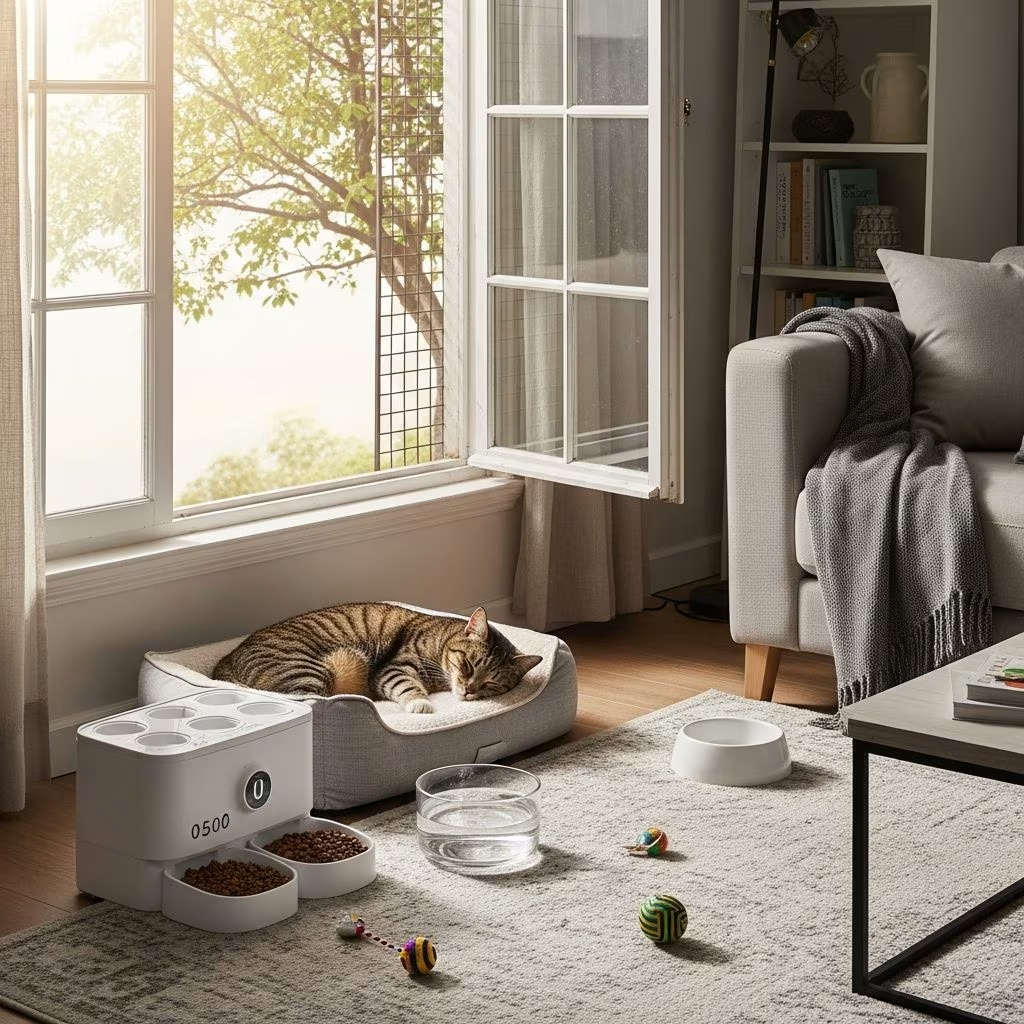
Many cat owners face the challenge of short workdays or longer vacations while wanting to keep their pets secure and content at home. Understanding your cat’s needs for independence, routine, and safety allows for responsible planning that minimizes risks and anxiety. This guide outlines durations, preparations, and strategies based on veterinary insights and practical advice.
Understanding Feline Independence Levels
Cats are often viewed as solitary creatures, but their tolerance for alone time varies by age, health, and personality. Kittens demand frequent attention due to their developmental stage, while adults handle solitude better but still require thoughtful setup.
Age-Specific Guidelines
- Kittens under 6 months: Limit to 2-3 hours alone to prevent accidents and ensure regular feeding.
- Kittens 6 months and older: Extend to 4-6 hours, always with a kitten-proofed environment free of hazards like cords or small objects.
- Healthy adult cats: Comfortably manage 8-12 hours, provided essentials like food, water, and litter are available.
For seniors or cats with medical conditions, shorten these windows and consult a veterinarian for personalized advice.
Maximum Safe Durations Without Supervision
While cats can adapt to brief absences, prolonged isolation raises concerns over hydration, litter hygiene, and emergencies. General benchmarks include:
| Duration | Suitability | Key Considerations |
|---|---|---|
| Up to 12 hours | Safe for most adults | Pre-filled food/water, clean litter |
| 24 hours | Occasional only | Spill-proof water, puzzle toys for engagement |
| 48 hours | Avoid if possible | High risk of issues; arrange check-ins |
| 3+ days | Not recommended | Mandatory daily visits from sitter |
Beyond 24 hours without oversight invites problems like tipped bowls or health flare-ups, emphasizing the need for human intervention.
Essential Preparations for Basic Needs
Prioritize sustenance, elimination, and comfort to mimic your presence.
Food and Hydration Setup
- Employ automatic feeders for timed portions to maintain routine and prevent overeating.
- Install pet water fountains for circulating, fresh water that encourages intake.
- Position multiple bowls in secure spots to avoid spills.
Litter Box Management
A pristine litter area is crucial to avoid house soiling, especially under stress. Scoop daily via sitter, add a second box for multi-cat homes or longer trips, and use attractant litters if anxiety affects habits.
Comfort and Routine Maintenance
Preserve normalcy by scheduling sitter visits at feeding/medication times. Background audio like soft music reduces isolation feelings.
Cat-Proofing Your Living Space
Transform your home into a hazard-free zone to thwart curiosity-driven mishaps.
- Secure cords, chemicals, plants, bags, and sharp items from reach.
- Close toilet lids, lock appliances, and block unsafe rooms with heavy barriers.
- Reinforce window screens/doors and tuck blind cords to prevent escapes or injuries.
- Climate control: Run AC/heat, crack windows cautiously in summer.
Confine to a ‘safe room’ with all amenities for kittens or mischief-makers.
Combating Separation Anxiety and Boredom
Signs like excessive vocalizing or destructive behavior signal distress. Mitigate with:
- Enrichment tools: Puzzle feeders, scratching posts, climbing trees, and toys per cat.
- Visual stimulation: Open blinds for bird-watching, add outdoor feeders.
- Tech aids: Pet cameras with audio/treat dispensers for remote reassurance.
Maintain routines and introduce calming noises to foster security.
Arranging Professional or Neighborly Help
For absences over 24 hours, delegate to trusted individuals.
- Pet sitters: Ideal for daily scooping, feeding, and play; provide detailed instructions.
- Neighbors/friends: Quick check-ins suffice for short extensions; share keys and contacts.
- Boarding: Consider for week-long trips needing constant oversight.
Prep notes on rules (e.g., no certain items), emergency protocols, and vet info.
Tech Solutions for Peace of Mind
Modern devices bridge the gap:
- Wi-Fi cameras (e.g., with 2-way talk) for live views and interaction.
- Smart feeders/fountains syncing to apps for remote management.
- Litter robots for self-cleaning, reducing odor and check-in frequency.
Backup power sources ensure functionality during outages.
Planning for Extended Vacations
Week-long trips demand robust systems:
| Element | Short Trip (1-2 days) | Long Trip (3+ days) |
|---|---|---|
| Check-ins | Optional | Daily mandatory |
| Food/Water | Manual bowls | Auto devices + extras |
| Monitoring | Basic camera | Full cam + sitter |
| Litter | Single clean box | Multiple + scooping |
Boarding or in-home sitters prevent neglect.
Frequently Asked Questions
Can I leave my cat alone overnight?
Yes, up to 24 hours occasionally if all basics are set, but monitor via camera.
What if my cat has separation anxiety?
Use pheromone diffusers, routine consistency, and cameras; consult vets for aids.
Is a water bowl enough, or do I need a fountain?
Fountains promote better hydration with fresh flow.
How often should the litter be scooped?
Daily, especially for multi-cat or stressed felines.
What emergencies require immediate action?
Lethargy, vomiting, or no eating; ensure sitter knows vet contacts.
Final Checklist Before Departure
- Food/water stations filled and functional.
- Litter clean, accessible.
- Home hazards eliminated.
- Enrichment items scattered.
- Sitter briefed with instructions/key.
- Camera app tested.
- Climate controlled, doors secured.
These steps ensure your cat thrives in your absence.
References
- How to Keep Your Cat Safe & Stress-Free While You’re Away — Dr. Elsey’s. Accessed 2026. https://drelseys.com/how-to-keep-your-cat-safe-stress-free-while-youre-away/
- Tips for Leaving Your Cat Home Alone — Plano TX Vets. 2016-07-15. https://www.planotxvets.com/2016/07/15/frisco-tx-vets-leaving-cat-home-alone/
- How to Safely Leave Your Cat at Home While on Vacation — The Refined Feline. Accessed 2026. https://www.therefinedfeline.com/leaving-your-cat-home-while-on-vacation-checklist/
- How Long Can You Leave Cats Alone? — Hill’s Pet Nutrition. Accessed 2026. https://www.hillspet.com/cat-care/new-pet-parent/leaving-a-cat-home-alone-safely
- Leaving Cats at Home While on Vacation — My Wanderlusty Life. Accessed 2026. https://www.mywanderlustylife.com/leaving-cats-at-home-while-on-vacation/
- 5 Safety Tips for When Your Pet Is Home Alone — Cove Security. Accessed 2026. https://www.covesmart.com/resources/security-cameras/5-safety-tips-for-when-your-pet-is-home-alone/
- How Long Can You Leave a Cat Alone? — PetMD. Accessed 2026. https://www.petmd.com/cat/general-health/how-long-can-you-leave-a-cat-alone



