

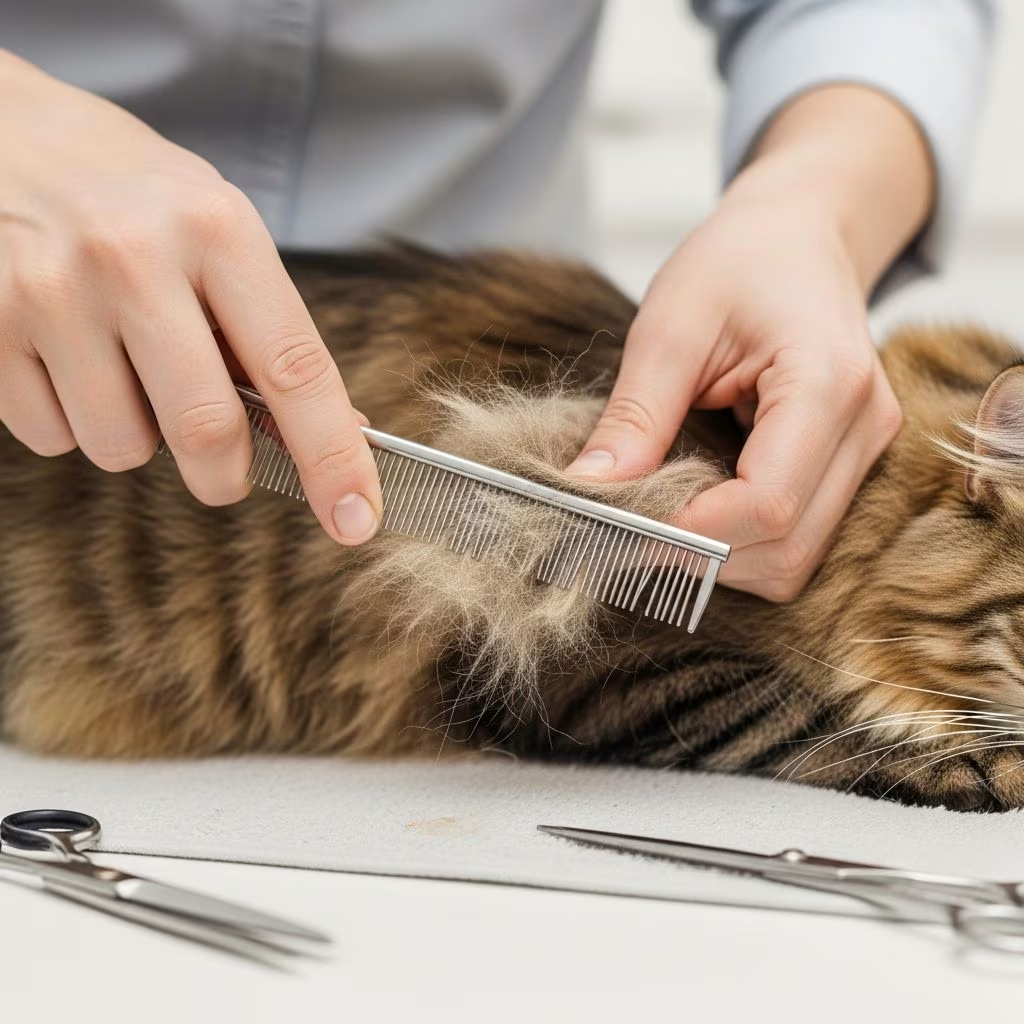
Matted fur in cats occurs when loose undercoat, dirt, or debris tangle into dense clumps, often causing discomfort or skin problems if ignored. Long-haired breeds like Persians or Maine Coons are particularly prone, but any cat can develop mats from neglect or health issues. Addressing them promptly maintains skin health and prevents painful pulling during grooming. This guide outlines safe home methods, essential tools, prevention routines, and when to seek professionals, drawing from veterinary and grooming best practices.
Understanding Why Cats Get Matted Fur
Mats form from a combination of shedding undercoat that fails to release naturally, combined with oils, urine residue, or litter particles that bind hair together. Areas like the hindquarters, belly, armpits, and chest are hotspots because they’re harder for cats to self-groom effectively. Underlying causes include obesity limiting flexibility, arthritis reducing mobility, poor diet leading to greasy coat, or medical conditions like hyperthyroidism increasing shedding. Early detection through touch checks during petting reveals small tangles before they tighten against the skin, where they can pinch nerves and cause irritation or infections.
Regular inspection is key: Run your fingers through the fur daily, feeling for lumps. Small mats loosen easily, while large ones close to the skin require careful intervention to avoid injury.
Essential Tools for Dematting Success
Gather the right equipment before starting to minimize stress. Here’s a curated list of recommended tools:
- Detangling spray: Softens mats without water; apply and wait 10-15 minutes for best results.
- Metal comb or greyhound comb: Fine teeth gently tease apart fibers; hold skin base to prevent pulling.
- Slicker brush: Removes loose hair post-dematting; ideal for long coats.
- Electric clippers: Safer than scissors for cutting; introduce sound gradually.
- Treats and helper: Rewards calm behavior; an assistant holds without restraining forcefully.
Avoid sharp dematting blades unless experienced, as they risk cuts. Scissors are discouraged due to nicking hazards—clippers vibrate less aggressively and trim evenly.
Step-by-Step Dematting Process at Home
Approach dematting when your cat is relaxed, perhaps after a meal or during a favorite play session. Sessions should last 5-10 minutes to avoid overwhelm; multiple short ones work better than one long ordeal.
- Prepare the area: Choose a quiet spot with good lighting. Have tools and treats ready.
- Assess the mat: Use fingers to test looseness. If painful, stop and consult a vet.
- Apply softener: Spray detangler or room-temperature olive oil at the base using a syringe for precision. Let penetrate 10-15 minutes.
- Tease with comb: Pinch base near skin, work outward in short strokes. Reward frequently.
- Clip if needed: Start above the mat, clip in layers downward. Keep clippers flat against skin.
- Finish and soothe: Brush gently, wipe clean, offer affection and treats.
For tight mats, layer clipping prevents pulling: Remove top tangles first, then proceed. Never yank or bathe matted areas, as water tightens knots.
Safety Precautions During Grooming
Prioritize your cat’s comfort to build trust. Signs of stress include dilated pupils, flattened ears, tail thrashing, or vocalizing—pause immediately. Hold fur base firmly but gently to anchor skin, mimicking how professionals protect scalps. Introduce tools progressively: Let cats sniff clippers off, then on low speed nearby. For squirrely cats, towel wraps can secure limbs safely without force. Post-session, monitor for redness or reluctance to be touched, indicating possible injury.
| Risk | Prevention Tip |
|---|---|
| Skin cuts | Use clippers over scissors; clip in short, flat strokes. |
| Stress overload | Short sessions, high-value treats, calm voice. |
| Pulling pain | Always hold base; work from loose ends inward. |
| Infection | Clean tools; check skin after; vet for open wounds. |
Prevention Strategies for a Mat-Free Coat
Daily grooming trumps reactive fixes. Start kittens young to habituate them. Focus on undercoat removal with de-shedding tools, brushing 5 minutes daily across body sections.
- Line dry food with omega-3 supplements for coat shine, reducing stickiness.
- Hygiene focus: Wipe hind ends with hypoallergenic wipes to prevent litter buildup.
- Sanitary shaves: Trim around genitals and anus professionally for prone cats.
- Short haircuts: Consider lion cuts for severe shedders, mindful of temperature regulation.
Custom routines suit breeds: Persians need wide-toothed combs; silky coats like Siberians benefit from slickers. Vet advice tailors tools to coat type.
Common Mistakes and How to Avoid Them
Pet owners often rush, leading to aversion. Bathing mats worsens adhesion; opt for dry shampoos instead. Ignoring small mats allows escalation—catch via weekly full-body checks. Overusing oil without removal traps dirt. Forceful holding erodes trust; positivity reinforces cooperation. Track progress: If mats recur despite efforts, bloodwork rules out allergies or endocrine issues.
When to Call a Professional
Extreme matting covering large areas, embedded near skin, or accompanied by sores warrants a groomer or vet. Sedation may be needed for severe cases to ensure safety. Mobile groomers equipped for cats minimize transport stress. Costs vary, but prevention saves money long-term. Frequency: Every 4-6 weeks for high-risk cats.
FAQs on Cat Dematting
Can I use olive oil for mats?
Yes, apply room-temperature olive oil under the mat with a syringe; reapply every 2-3 days until loose, then comb or snip safely.
Is it safe to demat my cat alone?
For small mats, yes with patience; large ones benefit from a helper to hold gently.
How often should I brush to prevent mats?
Daily, even briefly, focusing on undercoat; adjust for coat length.
What if my cat hates grooming tools?
Desensitize gradually with treats; start with soft brushes, progress to combs.
Do short haircuts stop matting?
They reduce length for tangling but monitor warmth in winter.
Consistent care transforms grooming from battle to bonding. Patient owners see calmer cats with glossier coats, enhancing overall well-being.
References
- How to Remove Matted Cat Hair — Zoetis Petcare. 2023. https://www.zoetispetcare.com/blog/article/remove-matted-cat-hair
- How To Keep Your Cat’s Fur from Matting — The Gentle Vet. 2022. https://www.thegentlevetdvm.com/blog/how-to-keep-your-long-haired-cats-fur-from-matting/
- Oiling Point Of Fur Mats (Using Olive Oil To Remove Clumps Of Fur) — Kari Kells Pet Sitting. 2017. https://www.karikells.com/Petsitter/2017/olive-oil-to-remove-matted-fur/



