

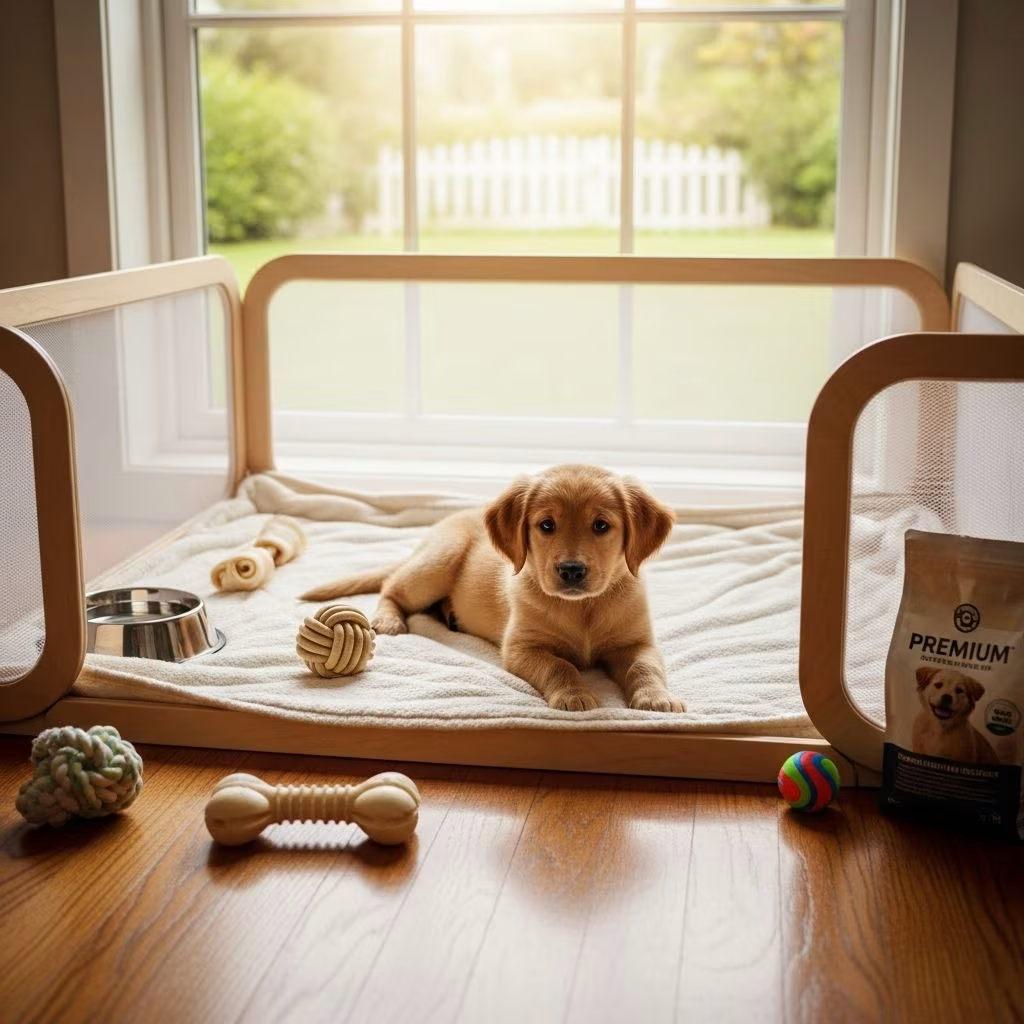
Welcoming a puppy into your home brings immense joy, but it also introduces unique challenges. Puppies explore their surroundings with boundless curiosity, often putting themselves at risk from everyday items. Proper preparation transforms your living space into a secure haven, minimizing accidents and allowing your pet to grow confidently. This guide outlines practical measures for both interior and exterior areas, drawing on proven methods to address common threats.
Understanding Puppy Behavior and Risks
Puppies between 8 weeks and 6 months are in their most exploratory phase, teething and driven by instinct to chew, mouth, and investigate. This behavior heightens dangers from electrical shocks, poisoning, choking, and falls. Statistics from veterinary organizations highlight that unsupervised puppies face significant injury risks, with household toxins and obstructions leading causes of emergency visits. By anticipating these tendencies, owners can implement targeted safeguards.
Indoor Protection Strategies
Your home’s interior demands meticulous attention, as confined spaces concentrate potential hazards. Start with a room-by-room audit, getting down to puppy level to spot overlooked dangers.
Electrical and Wiring Precautions
Exposed cords pose electrocution threats; chewing can cause burns or fatal shocks. Route wires behind furniture, employ spiral wraps or hard plastic conduits, and apply bitter-tasting deterrents. Outlet covers prevent nasal exploration, while unplugging unused appliances reduces temptation.
Securing Storage and Cabinets
Household cleaners, medications, and sharp tools must be inaccessible. Install magnetic locks or latches on low cabinets, elevating items to high shelves. Garbage bins with foot pedals invite raids; opt for lidded, heavy-duty models or secure them in utility closets. Even over-the-counter pills left on counters can prove lethal if ingested.
Furniture and Structural Safety
Tall furniture like bookshelves or TVs can topple if climbed. Anchor them to walls using brackets, a simple fix preventing crushing injuries. Block gaps under appliances where paws might pinch, and ensure rugs have non-slip backing to avoid skids on hard floors.
Quick Indoor Checklist
- Hide all remote controls, batteries, and small electronics.
- Fasten window blind cords high up to prevent strangulation.
- Remove or elevate toxic houseplants like lilies and philodendrons.
- Keep toilet lids down and bathroom doors closed.
- Stash shoes, socks, and children’s toys in bins.
Choking and Ingestion Hazards
Coins, jewelry, rubber bands, and even socks become deadly if swallowed. Conduct daily sweeps of floors and low surfaces. Avoid table feeding to prevent begging for toxic human foods like chocolate, grapes, or onions, which cause organ failure.
Outdoor and Yard Fortification
Backyards and patios extend exploration zones, introducing environmental perils. A secure perimeter is foundational.
Fencing and Boundary Controls
Erect fences at least 4-6 feet high with no gaps larger than 4 inches at the base. Bury chicken wire or dig-proof barriers underground to thwart digging escapes. Self-closing gates with sturdy latches deter opportunistic bolts. For apartments, balcony railings need close-meshed netting.
Water and Pool Management
Standing water in buckets, ponds, or pools breeds bacteria and drowning risks. Drain containers promptly, install pool alarms or covers, and fence off water features. Not all breeds swim instinctively; supervision is non-negotiable.
Garden and Chemical Safeguards
Many fertilizers, pesticides, and cocoa mulch are poisonous. Store them in locked sheds, and choose pet-safe alternatives. Remove or barrier toxic plants like azaleas or sago palms. Secure compost piles away from prying noses, as they harbor moldy dangers.
Outdoor Hazard Comparison Table
| Hazard Type | Examples | Prevention Method |
|---|---|---|
| Chemical | Fertilizer, Antifreeze | Locked storage, spill mats |
| Physical | Tools, Nails | Garage gating, elevation |
| Environmental | Toxic Plants, Puddles | Removal, Drainage |
| Escape | Gaps, Weak Gates | Reinforcement, Latches |
Essential Tools and Gear
Invest in durable equipment for long-term success. Baby gates (expandable or pressure-mounted) confine areas effectively. Exercise pens create safe play zones for unsupervised naps. Chew-resistant cord protectors and enzyme cleaners handle messes. Crates foster security and aid housebreaking.
Training and Supervision Essentials
Gear alone isn’t enough; integrate behavioral guidance. Constant supervision during initial weeks prevents mishaps—use leashes indoors if needed. Teach “leave it” commands early, rewarding compliance. Crate training builds bladder control and alone-time tolerance. Enrich with puzzle toys to curb boredom chewing.
Health Monitoring Post-Proofing
Even proofed homes require vigilance. Watch for chewing symptoms like excessive drooling or pawing. Schedule vet checkups, microchipping, and vaccinations. Keep a first-aid kit with hydrogen peroxide for toxin induction (under vet advice only). Recognize poisoning signs: vomiting, lethargy, seizures—seek immediate care.
Common Mistakes to Avoid
- Underestimating small breeds’ reach—they climb adeptly.
- Forgetting seasonal hazards like holiday decorations or summer grills.
- Over-relying on punishment; focus on prevention and positive reinforcement.
- Neglecting updates as puppy grows into adolescence.
Frequently Asked Questions
How do I protect wires in a multi-room home?
Use comprehensive cord management systems across floors, combining covers, clips, and sprays. Regularly inspect for chew marks.
What’s the best way to puppy-proof a balcony?
Install safety netting or plexiglass panels over railings, secure sliding doors, and avoid potted plants.
Are there puppy-safe cleaning products?
Yes, enzyme-based cleaners break down pet messes without toxins. Store all others securely.
How long should I supervise my puppy outdoors?
Always—until reliable recall training is established, typically 6 months.
Can I use baby products for puppy-proofing?
Many overlap, like outlet plugs and gates, but ensure pet-specific durability for chewing.
Long-Term Maintenance Plan
Puppy-proofing evolves with your pet. Monthly audits catch complacency. As teething subsides around 7 months, relax some restrictions but maintain core safeguards. Involve family in routines, making safety a household norm. This proactive approach not only prevents emergencies but builds a trusting bond.
References
- How To Puppy-Proof Your House: 30 Safety Tips — Chewy. 2023. https://www.chewy.com/education/dog/new-dog/how-to-puppy-proof-your-house
- Safe & Sound A Guide to Puppy Proofing Your Home — Guide Dogs. 2024. https://www.guidedogs.com/puppy-raising-guidebook/fundamentals-pups-2-to-5-months/puppy-proofing-your-home
- Puppy-Proofing Tips for Your Home And Yard — American Kennel Club (AKC). 2025-02-10. https://www.akc.org/expert-advice/puppy-information/puppy-proofing-tips-for-your-home-and-yard/
- New Dog Checklist: Puppy Proofing Your Home — Preventive Vet. 2024. https://www.preventivevet.com/dogs/checklist-for-puppy-proofing-your-home
- Getting a puppy? Puppy-proof your home with these pro tips — Animal Humane Society. 2023. https://www.animalhumanesociety.org/resource/getting-puppy-puppy-proof-your-home-these-pro-tips
- How to Pet-Proof Your Home — ASPCA Pet Insurance. 2024. https://www.aspcapetinsurance.com/resources/how-to-pet-proof-your-home/
- Essential Tips for Pet-Proofing Your Home — American Animal Hospital Association (AAHA). 2025-01-15. https://www.aaha.org/resources/essential-tips-for-pet-proofing-your-home/



