

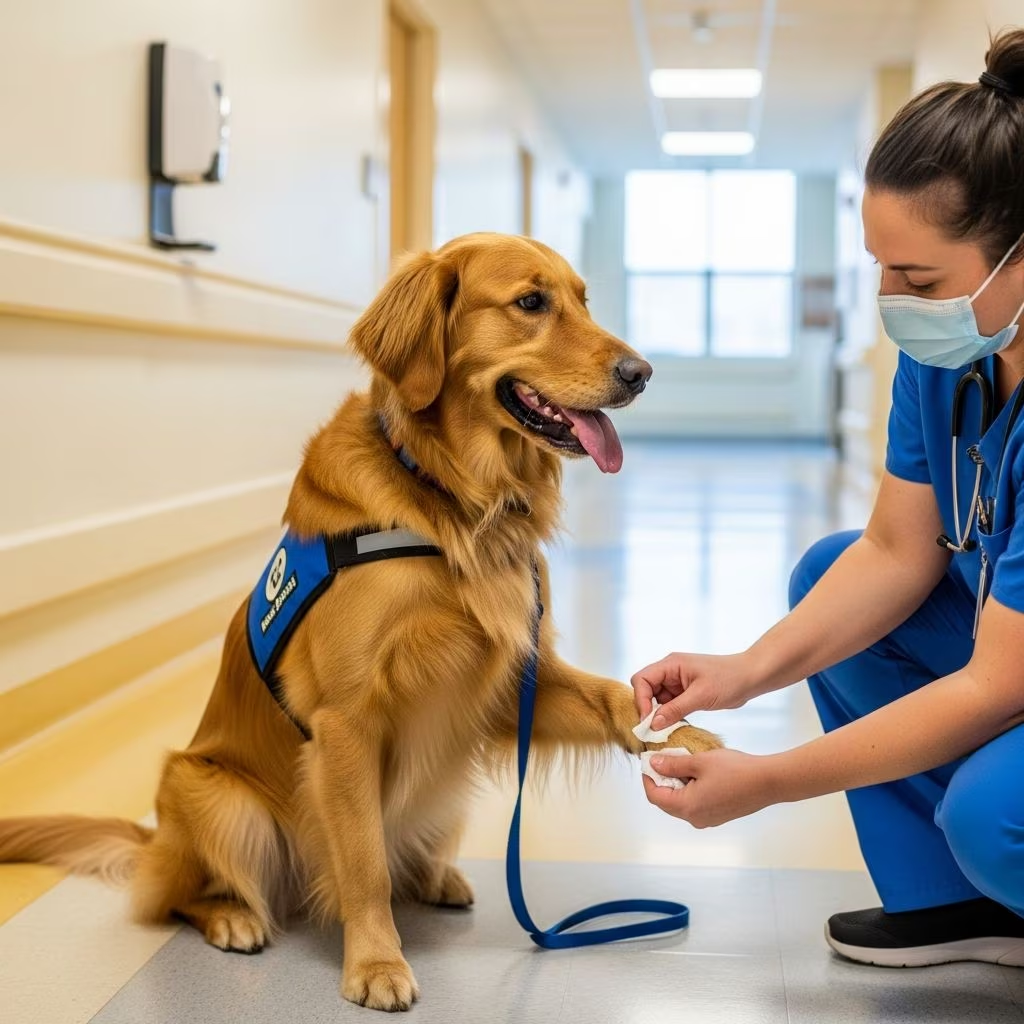
Therapy dogs play a crucial role in enhancing patient well-being in hospitals, particularly among immunocompromised individuals like pediatric cancer patients. However, concerns about transmitting methicillin-resistant Staphylococcus aureus (MRSA), a resilient antibiotic-resistant bacterium, have prompted vital research into prevention strategies. Pioneering studies demonstrate that simple decolonization protocols can drastically cut transmission risks without curtailing these animals’ therapeutic benefits.
The Vital Role of Therapy Dogs in Patient Care
Animal-assisted interventions provide measurable psychological and physiological advantages. Patients often exhibit reduced anxiety, lower blood pressure, and improved mood following interactions with therapy dogs. In pediatric oncology units, where children face grueling treatments, these visits offer moments of joy and normalcy.
Despite these gains, healthcare facilities must balance benefits against infection hazards. MRSA, prevalent in hospital environments, colonizes skin and mucous membranes, spreading via direct contact. Therapy dogs, navigating multiple patient rooms, could inadvertently facilitate pathogen transfer.
Understanding MRSA and Its Hospital Prevalence
MRSA resists multiple antibiotics, complicating treatment in vulnerable populations. It thrives in healthcare settings due to frequent antibiotic use and patient proximity. While humans are primary reservoirs, animals like dogs can act as mechanical vectors, harboring bacteria on fur after human contact.
Key transmission pathways include:
- Hand-to-fur contact during petting.
- Dog movement between patients, carrying contaminants.
- Inadequate hand hygiene enforcement among excited patients.
Research confirms dogs typically arrive clean but acquire MRSA during visits, underscoring bidirectional human-animal spread.
Groundbreaking Research on Therapy Dog Transmission
A landmark pilot study at Johns Hopkins Bloomberg Children’s Hospital examined MRSA dynamics during 13 therapy dog visits involving four dogs (Pippi, Poppy, Badger, and Winnie) and 45 pediatric cancer patients aged 2-20.
Control phase (7 visits): Dogs underwent standard pre-visit bathing and grooming.
- 10% of patients tested MRSA-positive post-visit.
- 40% of dog samples showed colonization.
- Close-interaction patients faced 6-8 times higher colonization odds.
Intervention phase (6 visits): Dogs received chlorhexidine shampoo baths before visits and wipes every 5-10 minutes between patients.
- Patient colonization dropped to ~4.5%.
- Dog colonization reduced, with overall patient risk slashed by 90%.
- Close interaction no longer elevated risk.
These results, presented at IDWeek 2018, highlight decolonization’s efficacy in disrupting transmission chains.
Implementing Effective Decolonization Protocols
Chlorhexidine, a broad-spectrum antiseptic, targets MRSA on canine fur safely when used correctly. Protocols include:
- Pre-visit preparation: Full bath with 2-4% chlorhexidine shampoo, rinsed thoroughly.
- Intra-visit maintenance: Wipes applied to high-contact areas (head, back, paws) every 5-10 minutes or between rooms.
- Post-visit care: Repeat bathing and monitoring for skin irritation.
Handlers or staff can perform these steps quickly and affordably. Studies affirm chlorhexidine’s safety for dogs, with minimal adverse effects.
| Protocol Phase | Patient Colonization Rate | Dog Colonization Rate | Risk Reduction |
|—————-|—————————|———————-|—————|
| Control (No Decolonization) | 15.4% | 42.9% | Baseline |
| Intervention (Chlorhexidine) | 4.5% | 33.3% | 90% overall |
Data from Johns Hopkins study illustrates dramatic improvements.
Broadening Prevention Beyond Decolonization
Comprehensive strategies amplify safety:
- Handler hygiene: Gloves, frequent handwashing, and sanitizer before/after each patient.
- Patient protocols: Enforce sanitizer use pre- and post-interaction; limit close contact for high-risk cases.
- Dog screening: Baseline MRSA swabs; exclude dogs with open wounds or illnesses.
- Environmental controls: Designate therapy zones; use disposable covers on dog beds.
Earlier research, including a 2007 study, detected MRSA and C. difficile transfer to therapy dogs, reinforcing hand hygiene’s primacy.
Overcoming Media Misrepresentations and Public Fears
Sensational headlines like “Therapy Dogs Spread Superbugs” overshadowed nuanced findings, fueling unnecessary alarm. Balanced reporting emphasized decolonization’s success, yet viral fear persists.
Experts like Dr. Chris Nyquist stress: “This is akin to handwashing for humans—essential for vulnerable groups.” Ongoing multi-hospital trials build on these insights.
Future Directions in Animal-Assisted Therapy Safety
Funded expansions will test protocols across settings, including adult ICUs. Potential innovations:
- Advanced antimicrobials or UV sanitizers.
- Genomic tracking of MRSA strains for transmission mapping.
- Standardized national guidelines for therapy programs.
Benefits—reduced stress hormones, faster recoveries—far outweigh mitigated risks, positioning therapy dogs as safe allies.
Practical Guidelines for Therapy Dog Teams
To operationalize safety:
| Step | Action | Frequency |
|---|---|---|
| 1. Health Check | Inspect for wounds, fleas | Pre-visit |
| 2. Bathing | Chlorhexidine shampoo | Day of visit |
| 3. Wiping | Target fur areas | Every 5-10 min |
| 4. Handler Sanitize | Hands/gloves | Per patient |
| 5. Post-Visit | Full clean, log interactions | Immediately after |
Training ensures compliance, fostering trust with healthcare partners.
Patient and Family Perspectives
Surveys reveal overwhelming support for therapy dogs, with 90%+ reporting emotional uplift. Informed consent outlining protocols addresses concerns, maintaining program viability.
Regulatory and Institutional Policies
Hospitals increasingly adopt evidence-based rules. Infection control committees reference Johns Hopkins data, mandating decolonization for high-risk units. Veterinary oversight ensures animal welfare.
Common Questions About Therapy Dogs and MRSA
FAQ
Can all therapy dogs carry MRSA?
No, dogs typically acquire it from humans during visits; pre-screening minimizes risks.
Is chlorhexidine safe for dogs?
Yes, at recommended dilutions; avoid eyes/mucous membranes and monitor for dryness.
Does decolonization eliminate all risks?
It reduces by 90%, but layered hygiene remains essential.
Are therapy dogs banned in some hospitals?
Rarely; protocols enable safe inclusion.
How to start a safe therapy program?
Partner with vets, train handlers, and align with infection control.
Conclusion: Harmonizing Benefits and Safety
Therapy dogs enrich lives immeasurably, and science empowers their safe integration. By embracing decolonization and hygiene, healthcare can harness these bonds risk-free. (Word count: 1678)
References
- De-colonization of therapy dogs lessens risk of MRSA spread, study finds — AMR Insights. 2018-10-05. https://www.amr-insights.eu/de-colonization-of-therapy-dogs-lessens-risk-of-mrsa-spread-study-finds/
- MRSA in Therapy Dogs: Preventing Transmission in Hospitals — Whole Dog Journal. 2018-10-05. https://www.whole-dog-journal.com/lifestyle/dog-jobs/mrsa-in-therapy-dogs-preventing-transmission-in-hospitals/
- Reducing MRSA Transmission Between Therapy Dogs and Cancer Patients — dvm360. 2018-10-08. https://www.dvm360.com/view/reducing-mrsa-transmission-between-therapy-dogs-and-cancer-patients
- Reduction in the Spread of Hospital-Associated Infections — PMC (PubMed Central). 2018. https://pmc.ncbi.nlm.nih.gov/articles/PMC6253034/
- Therapy dogs can spread superbugs to kids, hospital finds — STAT News. 2018-10-05. https://www.statnews.com/2018/10/05/therapy-dogs-superbugs-kids-hospital/
- Pet therapy dogs and MRSA — Worms & Germs Blog. 2018-10. https://www.wormsandgermsblog.com/2018/10/articles/animals/dogs/pet-therapy-dogs-and-mrsa/



