

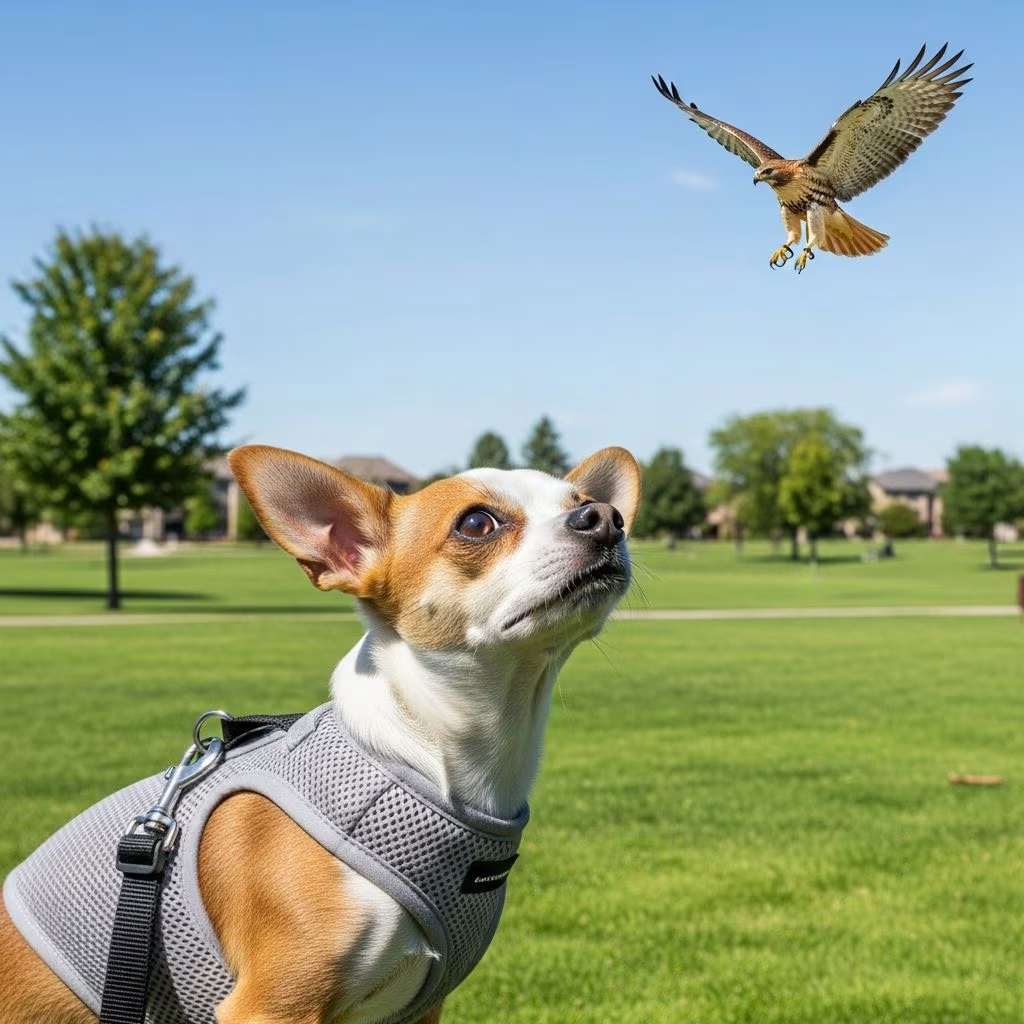
Pet owners of diminutive breeds face unique challenges when allowing their dogs outdoor time, particularly in regions teeming with birds of prey. Hawks, eagles, and owls view small dogs under 15 pounds much like they do rodents or squirrels—potential meals. These raptors possess powerful talons capable of inflicting severe injuries or even attempting to carry off lightweight pups. Understanding the risks and implementing targeted defenses is crucial for maintaining your dog’s safety without confining it indoors permanently.
Understanding the Risk to Tiny Canines
Small dogs and puppies, regardless of breed, become prime targets due to their size. A Chihuahua or a young Labrador pup weighs comparably to the prey these birds typically hunt. In wooded areas or open fields where raptors nest, the danger escalates. Birds of prey strike swiftly from above, using razor-sharp claws to grasp and potentially lift victims skyward. Even if a raptor cannot fully abduct the dog, the initial attack can cause deep punctures, internal damage, or fatal trauma.
Environmental factors amplify vulnerability. Overgrown yards provide perching spots for predators, while attractants like bird feeders draw in smaller animals that, in turn, lure hungry raptors. Statistics from wildlife observations indicate that raptor populations have stabilized or grown in suburban areas, increasing encounters with pets. Recognizing these patterns empowers owners to act preemptively.
Primary Defense: Constant Supervision
The most reliable barrier against raptor attacks is unwavering supervision. Never permit your small dog unsupervised outdoor access, even for brief potty breaks. Keep it leashed and within arm’s reach, scanning the skies regularly for circling shadows or perched birds. This simple practice eliminates opportunities for surprise dives, as raptors prefer ambushing solitary targets.
- Accompany your dog during all yard time, using a sturdy 6-foot leash.
- Train recall commands to summon it indoors at the first sign of aerial activity.
- Schedule play sessions during low raptor activity periods, like midday when birds hunt less aggressively.
For multi-pet households, designate a family member for ‘sky watch’ duty. This vigilance not only deters predators but also strengthens the human-canine bond through shared outdoor experiences.
Fortifying Your Outdoor Space
Transforming your yard into a raptor-resistant haven requires strategic modifications. Begin by pruning tall trees and shrubs to eliminate perching vantage points. Clear, open canopies allow early detection of incoming threats, giving you time to intervene.
Install protective netting over play areas or dog runs. Opt for durable, UV-resistant mesh with openings small enough to block talons but large enough for airflow and visibility. Secure it to fences or posts, creating an overhead barrier at least 8 feet high. Semi-enclosed enclosures, like covered kennels with wire sides, offer safe, spacious alternatives for extended outdoor lounging.
| Modification | Benefits | Installation Tips |
|---|---|---|
| Tree Trimming | Removes hiding spots | Hire professionals for safety; focus on heights over 10 feet |
| Netting Overhead | Blocks dives | Use galvanized frames; anchor deeply against wind |
| Fenced Enclosures | Secure play zones | 6-foot walls with buried bases to deter digging escapes |
Remove enticements that summon raptors indirectly. Relocate bird feeders far from dog areas, feed pets indoors exclusively, and clean up grill residues promptly to avoid drawing rodents or squirrels. Motion-activated sprinklers serve as additional deterrents, startling birds with sudden water bursts upon approach.
Specialized Protective Apparel for Pets
Commercial gear designed for small animal protection has evolved significantly. Vests like the CoyoteVest paired with HawkShield add layers of defense. These feature DuPont Kevlar construction, puncture-resistant to talon strikes. The HawkShield attaches via Velcro to the vest’s back, engineered to detach during an attack—allowing the raptor to fly off with the shield while the dog remains grounded.
Enhance with accessories such as CoyoteWhiskers (spiked protrusions) and HawkEyes (reflective eyespots). These visually intimidate birds, mimicking larger, dangerous creatures. Available in sizes from Mini to Medium, matching common small dog frames:
| Vest Size | HawkShield Size | Ideal Dog Weight |
|---|---|---|
| Mini | Mini | Under 5 lbs |
| Extra Small | Extra Small | 5-10 lbs |
| Small | Small | 10-15 lbs |
| Medium | Medium | 15-20 lbs |
Introduce gear gradually during indoor play to ensure comfort. While lightweight, these outfits permit full mobility for running and jumping. Note that fluorescent colors may fade in sunlight, but efficacy persists. For custom fits, measure your dog’s girth and length precisely.
Behavioral Training and Daily Routines
Empower your dog with training that heightens its awareness. Teach ‘inside’ or ‘danger’ cues paired with sky-pointing gestures. Positive reinforcement—treats for quick responses—builds reliable habits. Incorporate radar-like ear training: reward attention to overhead noises like wing flaps.
Adjust routines for safety. Walk in groups if possible, as multiple dogs confuse predators targeting singles. Avoid dawn and dusk hunts when raptors peak active. Indoor alternatives like puzzle toys or treadmill sessions maintain exercise without exposure.
Responding to Near-Misses or Attacks
Should a raptor approach, stay calm but authoritative. Wave arms, shout, and throw objects like balls to create chaos. Dense foliage throws or umbrellas block dives effectively. Post-incident, inspect for wounds: even minor punctures risk infection. Rush to a vet for antibiotics and imaging if internal injuries suspected.
Document encounters—photos, locations—to report to local wildlife authorities. This aids in tracking raptor hotspots and may prompt community netting initiatives.
Long-Term Strategies for Raptor-Heavy Regions
In high-risk zones, combine methods holistically. Professional landscapers can design raptor-proof yards with integrated netting and plantings. Community apps for raptor sightings foster neighborhood vigilance. Invest in tech like bird-scaring lasers or ultrasonic repellers, though efficacy varies.
For traveling owners, vet-sitting services with raptor protocols ensure continuity. Puppies outgrow risks as they bulk up past 15-20 pounds, but lifelong habits persist.
Frequently Asked Questions
Can large hawks really carry off a 10-pound dog?
Red-tailed hawks, common in suburbs, can lift up to 5 pounds reliably, but larger species like eagles manage more. Small dogs risk injury from failed lift attempts.
Is protective clothing comfortable for daily wear?
Modern vests like those with HawkShield are lightweight and breathable, allowing full movement. Acclimate slowly.
What if I can’t supervise constantly?
Build a fortified run or use timed indoor cams with alerts for escapes.
Do owl attacks happen during day?
Most raptors hunt daytime; owls nocturnal, but daytime species dominate pet threats.
How effective is netting against strong birds?
Properly installed heavy-duty mesh withstands dives from most suburban raptors.
References
- Protecting Your Dog from Hawks and Other Birds of Prey — Critter Sitters. Accessed 2026. https://critter-sitters.com/protecting-your-dog-from-hawks-and-other-birds-of-prey/
- HawkShield – CoyoteVest — CoyoteVest. Accessed 2026. https://www.coyotevest.com/products/hawkshield-2018



