

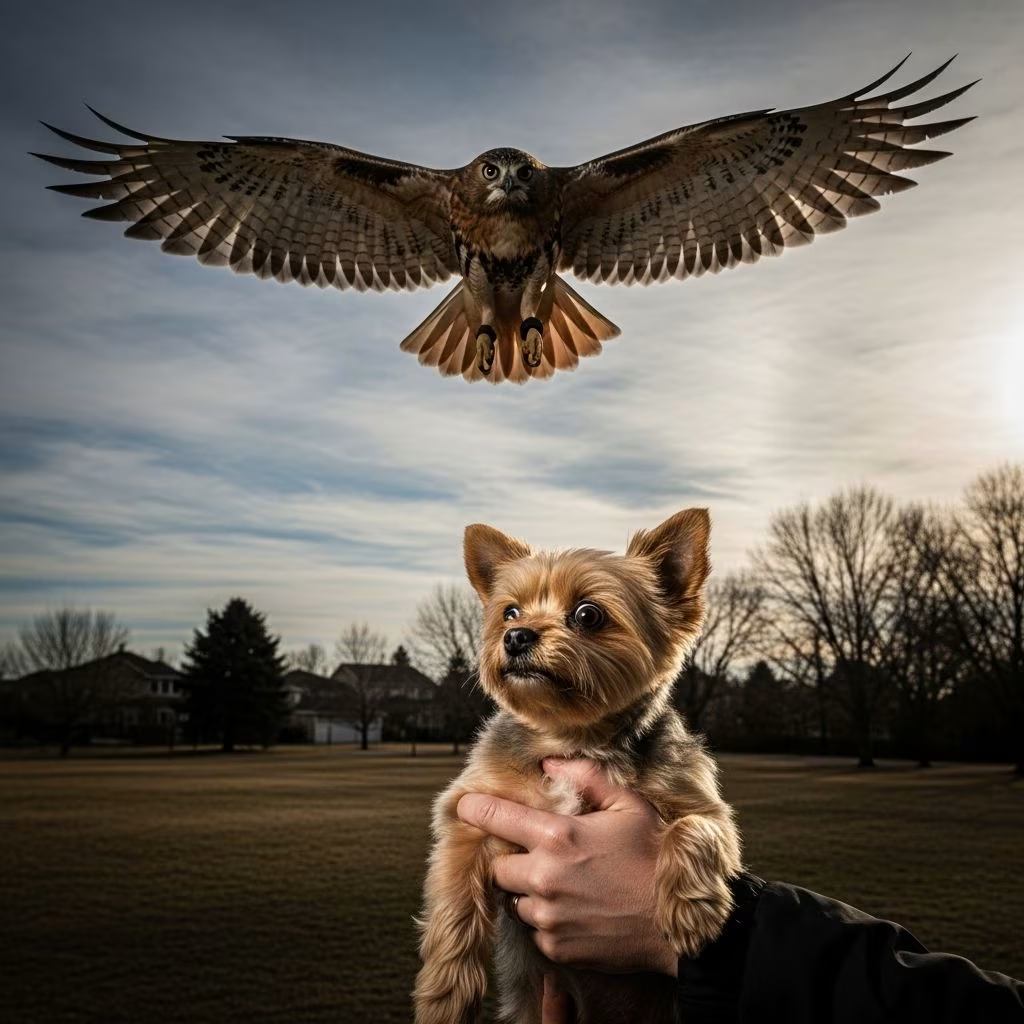
Pet owners with small breeds often face unexpected threats from nature’s aerial hunters. Birds of prey, such as hawks and owls, view dogs under 20 pounds as potential meals, leading to rare but real dangers in suburban and rural yards. This guide outlines comprehensive protection methods, drawing from expert recommendations and real-world applications to keep your furry companion safe.
Understanding the Risk: Why Raptors Target Small Dogs
Hawks primarily hunt during daylight, relying on keen eyesight to spot prey from high perches. They prefer animals they can lift and carry, typically weighing less than 5 pounds, though larger small dogs up to 15-20 pounds have been targeted. Larger breeds like Labradors remain safe due to their size.
Incidents spike in open areas where raptors can dive at speeds exceeding 100 mph, making intervention nearly impossible. Factors like nearby bird feeders draw these predators by attracting rodents and songbirds, shifting their attention to pets. Puppies and toy breeds face the highest vulnerability, especially unsupervised outdoors.
- Key risk factors: Open yards, absence of supervision, presence of attractants like feeders.
- Common species: Red-tailed hawks, Cooper’s hawks, great horned owls.
- Frequency: Uncommon but increasing in urban expansions encroaching on wildlife habitats.
Legal Considerations: Hawks Are Protected Wildlife
Federal law under the Migratory Bird Treaty Act safeguards hawks, prohibiting harm without permits. Violations, such as killing a red-tailed hawk, carry fines up to $15,000 and jail time. Focus on deterrence rather than confrontation to avoid legal repercussions.
Daily Habits for Prevention
Simple routine changes drastically reduce risks without major investments.
Constant Supervision
Never leave small dogs alone outside, particularly daytime. Human presence deters dives, as raptors avoid perceived threats. Walks should occur in groups or leashed, minimizing isolation.
Strategic Walking Routes
Opt for wooded paths over fields; tree cover hinders swoops. Join dog walking groups for added safety in numbers. Skip birdwatching hotspots teeming with raptors.
| Location Type | Risk Level | Recommendation |
|---|---|---|
| Open fields | High | Avoid |
| Wooded trails | Low | Preferred |
| Urban parks with groups | Medium | Leash required |
Modifying Your Yard for Safety
Transform your outdoor space into a raptor-resistant zone with targeted adjustments.
Remove Attractants
Eliminate bird feeders, as they lure small prey and subsequently hawks. Feed pets indoors and clean grills promptly to avoid drawing rodents.
Tree Trimming and Visibility
Prune overgrown branches to eliminate perching spots. Clear sightlines allow early predator detection.
Covered Enclosures
Construct wire-mesh “dogios” or catio-style pens with roofs. These let dogs enjoy fresh air securely. Drape netting over play areas for quick setups.
Deterrent Devices and Visual Repellents
Non-lethal tools exploit raptors’ instincts to scare them away.
- Reflective materials: Hang scare tape, old CDs, or shiny ribbons; flashing light confuses hunting vision.
- Ultrasonic devices: Emit high-frequency sounds intolerable to birds but inaudible to humans and pets.
- Decoys: Place owl statues; raptors avoid territorial rivals.
Specialized Protective Gear
For high-risk areas, equip your dog with purpose-built armor.
Hawk-Proof Vests
Products like HawkVest and Raptor Shield use ballistic fabrics and Kevlar layers to block talons. Lightweight designs maintain mobility, with attachable spikes or whiskers deterring grabs.
- HawkVest: Puncture-resistant with reinforced collar and optional HawkShield back panel.
- Raptor Shield: Talon-proof material examined by naturalists; also aids against coyotes.
Owners report success, as seen in videos of senior dogs protected during meals. Vest your pup for walks or yard time in predator zones.
Emergency Response to an Attack
If a raptor strikes, prioritize your dog’s safety legally. Make noise, wave arms, or throw objects to startle the bird. Avoid physical contact to prevent injury to yourself or illegal harm to the protected animal. Seek vet care immediately for wounds; hawks carry bacteria.
Long-Term Strategies for Small Breed Owners
Assess your dog’s size and local wildlife. Puppies outgrow risks quickly, but lifelong small breeds need ongoing vigilance. Combine methods: supervision + gear + yard mods for layered defense.
Monitor local raptor populations via apps or community reports. In hawk-heavy regions, vests become routine like leashes.
FAQs
Can large dogs be attacked by hawks?
Rarely; breeds over 25 pounds exceed typical carry weight.
Are owl decoys effective?
Yes, they mimic competitors, deterring territorial hawks.
Do ultrasonic repellents work on all raptors?
Most, but combine with visuals for best results.
Is Raptor Shield comfortable for daily wear?
Designed lightweight; test for your dog’s fit.
What if I see a hawk frequently in my yard?
Remove attractants first, then add deterrents.
Conclusion: Proactive Protection Saves Lives
By integrating supervision, environmental tweaks, and gear, small dog owners can minimize raptor threats effectively. Stay vigilant—your pet’s safety hinges on preparation.
References
- How to Protect Your Small Dog from Hawks — WagWalking. 2023. https://wagwalking.com/wellness/how-to-protect-your-small-dog-from-hawks
- Protecting Your Dog from Hawks and Other Birds of Prey — Critter-Sitters. 2023. https://critter-sitters.com/protecting-your-dog-from-hawks-and-other-birds-of-prey/
- HawkVest – CoyoteVest — CoyoteVest. 2023. https://www.coyotevest.com/products/hawkvest
- FAQs – Raptor Shield — RaptorShield. 2023. https://www.raptorshield.com/faqs
- How She Protects Her Dog From Hawks | Cuddle Dogs — YouTube (Cuddle Buddies). 2023. https://www.youtube.com/watch?v=l86wWvlHorU



