

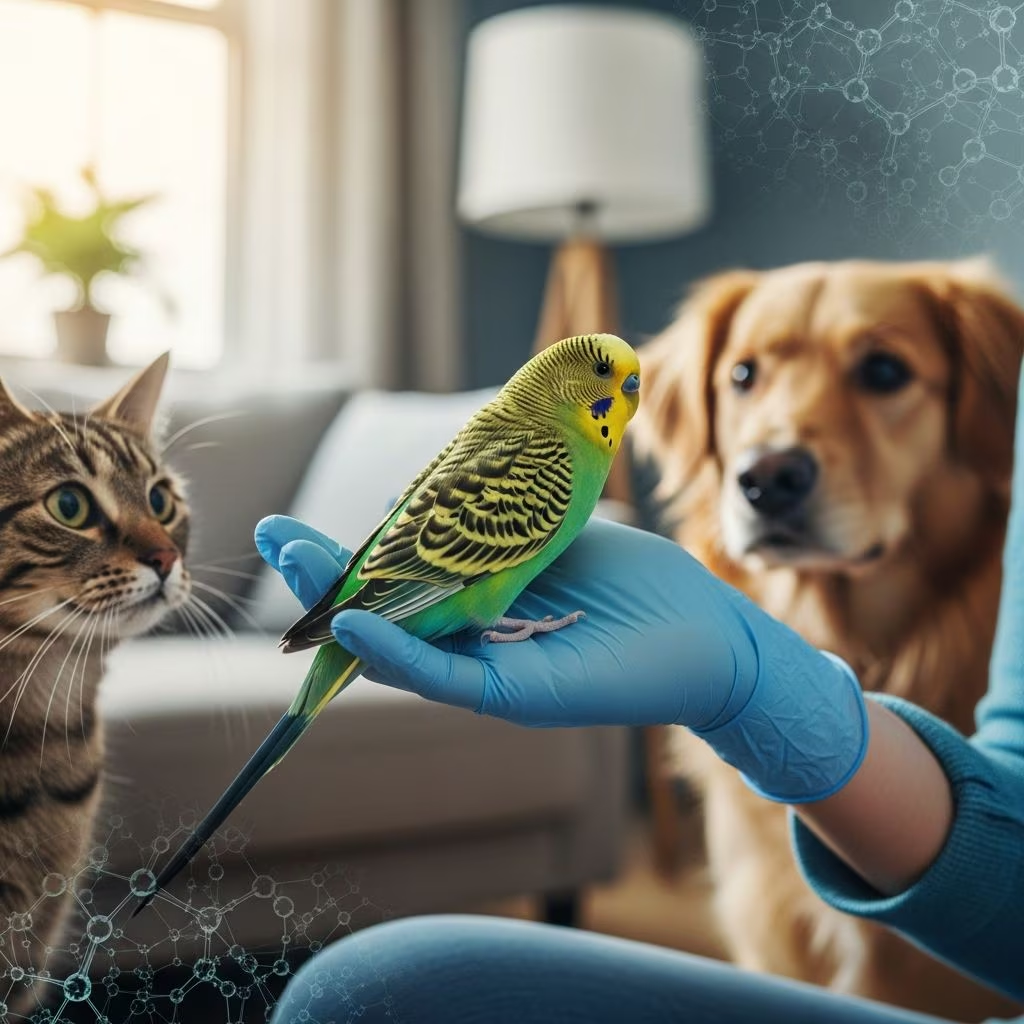
The year 2026 has witnessed a sharp rise in highly pathogenic avian influenza (HPAI) H5N1 cases, extending beyond birds to mammals including pets like cats and dogs. This viral strain, known for its high mortality in susceptible species, poses growing risks to household animals through contact with infected wildlife or contaminated sources. Pet owners must adopt proactive measures to mitigate exposure and ensure early intervention if infection occurs.
Understanding the H5N1 Threat to Companion Animals
H5N1, part of the influenza A virus family, primarily circulates in wild birds but has adapted to infect mammals. In 2026, outbreaks have surged in poultry operations, with Pennsylvania reporting over 7.1 million birds culled by mid-February due to severe morbidity. Internationally, Argentina confirmed new cases on commercial farms as of February 23, prompting import suspensions. These events heighten environmental contamination, increasing chances for pets to encounter the virus.
Cats exhibit particular vulnerability, often contracting H5N1 via raw milk from infected dairy cows or hunting sick birds. A recent study highlighted a recombinant H5 vaccine’s efficacy in preventing severe outcomes and reducing viral shedding in felines. Dogs, while less prone, can still fall ill through similar pathways, underscoring the need for vigilance across species.
Transmission Pathways for Pets
Pets acquire H5N1 primarily through direct contact with infected birds, their feces, or secretions. Wild birds, rodents, and even marine mammals like northern elephant seals in California—where seven pups tested positive in February 2026—serve as reservoirs. Indoor cats may ingest the virus from unpasteurized dairy products linked to U.S. outbreaks, while outdoor dogs risk exposure during walks near contaminated water or beaches.
- Consumption of raw or undercooked poultry, wild game, or milk from affected sources.
- Hunting or playing with dead or sick wild animals, including birds and seals.
- Indirect spread via contaminated shoes, clothing, tools, or vehicles entering pet areas.
- Aerial transmission in shared spaces with infected backyard flocks.
Human-mediated transfer amplifies risks; caretakers visiting poultry farms can unwittingly carry the virus home on footwear or equipment.
Recognizing Symptoms in Cats and Dogs
Early detection is crucial as H5N1 progresses rapidly in pets, often proving fatal without prompt veterinary care. In cats, symptoms mirror severe respiratory distress: lethargy, loss of appetite, fever, nasal discharge, coughing, and neurological signs like tremors or seizures. Dogs may show milder initial signs such as eye inflammation, diarrhea, or breathing difficulties, escalating to pneumonia.
| Symptom | Cats | Dogs |
|---|---|---|
| Lethargy and weakness | Common, rapid onset | Frequent early indicator |
| Respiratory issues (coughing, sneezing) | Severe, with discharge | Moderate, progressive |
| Neurological effects (tremors, ataxia) | High risk, often fatal | Less common but serious |
| Gastrointestinal upset | Diarrhea, vomiting | Diarrhea prominent |
| Ocular symptoms | Conjunctivitis | Redness, swelling |
Any combination warrants immediate isolation and veterinary consultation to rule out H5N1 via PCR testing.
Prevention Strategies for Indoor and Outdoor Pets
Robust biosecurity forms the cornerstone of protection. Limit pets’ access to raw foods, especially dairy or poultry from unverified sources. Keep cats indoors and dogs leashed away from ponds, beaches, or areas with wild bird activity—critical following California’s elephant seal outbreak where officials recommend 150-yard buffers.
- Secure feed storage to deter wild birds, rodents, and insects that may carry the virus.
- Restrict visitor access to pet zones; require footwear changes and handwashing.
- Clean and disinfect shared equipment, toys, and living spaces daily with approved virucides.
- Avoid travel to outbreak zones like Pennsylvania or Argentina-affected farms.
Vaccination emerges as a promising tool; the recombinant H5 vaccine showed strong protection in cats, curbing mortality and transmission. Consult veterinarians for availability, as trials expand amid 2026’s escalation.
Biosecurity Protocols for Multi-Pet Households
Households with poultry or frequent farm visitors face elevated risks. Designate separate zones for different animals, using footbaths at entry points filled with disinfectants effective against enveloped viruses like H5N1. Regularly launder pet bedding at high temperatures and dispose of waste securely to prevent scavenging.
For dogs frequenting beaches or rural areas, post-walk rinses remove potential contaminants. Monitor local alerts from agencies like the USDA or CDC for real-time outbreak data.
Veterinary Interventions and Emerging Treatments
If exposure is suspected, isolate the pet immediately and contact a vet. Supportive care includes fluids, antivirals like oseltamivir (under supervision), and oxygen therapy for respiratory failure. Diagnostic confirmation via nasal swabs sent to labs like the National Veterinary Services Laboratory is standard.
Research advances offer hope: the 2026 npj Vaccines study demonstrated 100% protection in vaccinated cats against lethal challenge, with minimal shedding. Broader rollout could transform pet resilience against H5N1 clades like 2.3.4.4b.
Global Context and Pet Owner Responsibilities
By late February 2026, HPAI notifications span continents—from U.S. poultry culls to marine mammal incursions and European wild bird cases. The CDC emphasizes low human-pet transmission but urges biosecurity to curb zoonotic jumps. Pet owners play a pivotal role by reporting sick wildlife and adhering to guidelines, preventing backyard flocks from amplifying spread.
In summary, while H5N1 remains a formidable pathogen, informed actions—hygiene, supervision, and vaccination—equip owners to protect their companions effectively.
Frequently Asked Questions (FAQs)
Can my indoor cat get bird flu?
Yes, primarily through contaminated raw milk or brought-in pathogens on shoes/clothing. Keep felines indoors and avoid risky foods.
Is there a vaccine for dogs against H5N1?
Currently, feline-specific vaccines lead, but canine trials are underway. Check with vets for updates.
What if I find a dead bird near my home?
Do not touch; report to wildlife authorities and keep pets away to avoid scavenging.
How effective is disinfection against H5N1?
Highly effective with EPA-approved products; focus on surfaces, water bowls, and entryways.
Should I worry about human transmission from my pet?
Risk is very low per CDC; practice hand hygiene post-handling.
References
- Infectious Diseases 2026 — PoultryMed. 2026-02-25. https://www.poultrymed.com/Infectious-Diseases-2026
- First Cases of Highly Pathogenic Avian Influenza in Northern Elephant Seals Confirmed in California — UC Davis. 2026-02-20. https://www.ucdavis.edu/health/news/first-cases-highly-pathogenic-avian-influenza-northern-elephant-seals-confirmed-california
- 25 February 2026: Outbreak of highly pathogenic avian influenza in Argentina — UK Government. 2026-02-25. https://www.gov.uk/government/publications/official-veterinary-surgeon-ovs-notes/25-february-2026-outbreak-of-highly-pathogenic-avian-influenza-in-argentina
- Preliminary Testing Confirms Highly Pathogenic Avian Influenza in Caroline County — Maryland Department of Agriculture. 2026-02-26. https://news.maryland.gov/mda/press-release/2026/02/26/news-release-preliminary-testing-confirms-highly-pathogenic-avian-influenza-in-caroline-county/
- Avian Influenza Confirmed in Northern Elephant Seals — Marine Mammal Center. 2026. https://www.marinemammalcenter.org/news/avian-influenza-confirmed-in-northern-elephant-seals
- Avian influenza in Italy: updates — IZSVe. 2026. https://www.izsvenezie.com/reference-laboratories/avian-influenza-newcastle-disease/italy-update/
- A(H5) Bird Flu: Current Situation — CDC. 2026. https://www.cdc.gov/bird-flu/situation-summary/index.html



