

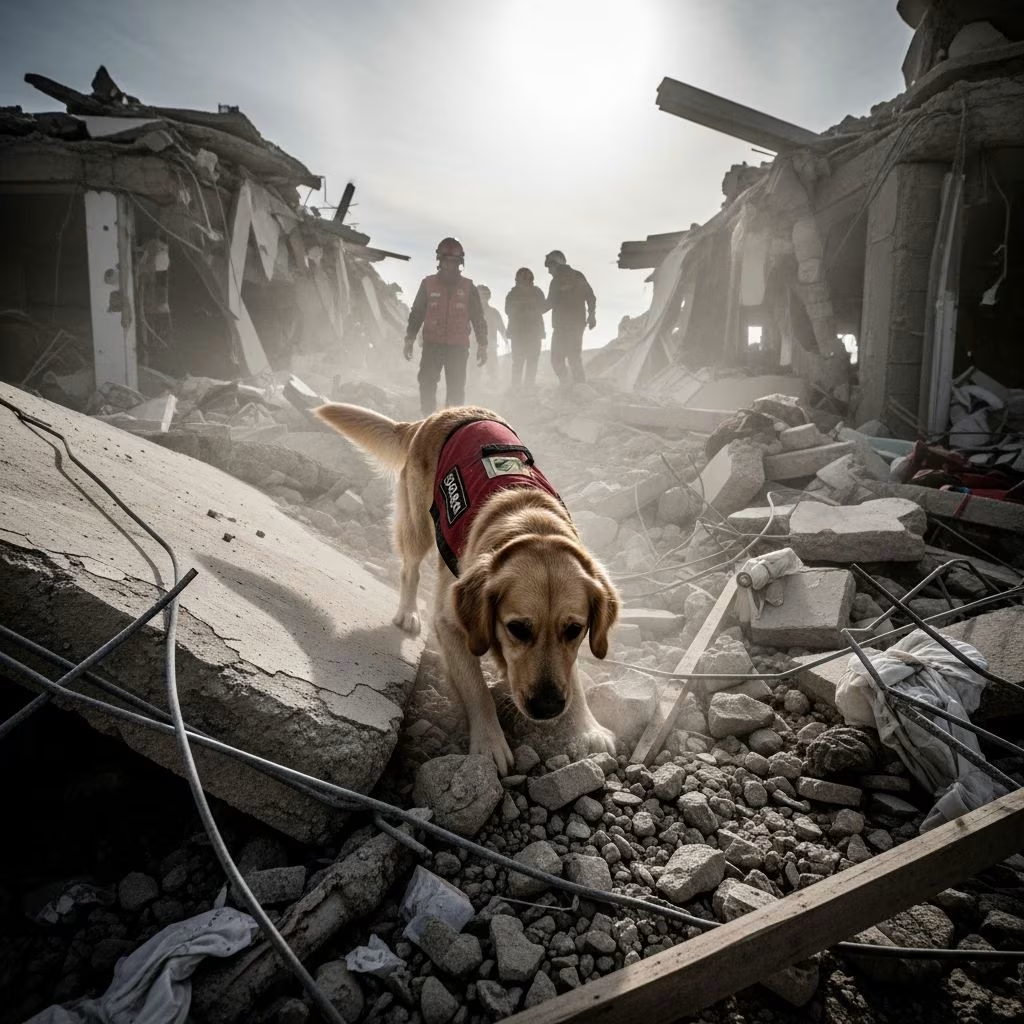
Dogs are loyal companions, but disasters like wildfires, floods, or hurricanes can turn everyday life into chaos. Living near a disaster zone demands proactive steps to protect your canine friend. This guide outlines practical measures to prepare, respond, and recover, drawing from authoritative recommendations to keep your dog safe and reduce stress during crises.
Why Disaster Preparedness Matters for Dog Owners
Natural disasters strike without warning, and areas prone to wildfires, storms, or floods require dog owners to act swiftly. Pets face unique risks: they can panic and flee, suffer injuries from debris, or lack access to food and water if separated. Preparation minimizes these dangers, ensuring you can evacuate together or shelter safely. According to health authorities, having a plan prevents pets from becoming trapped or lost amid evacuation chaos.
Statistics show thousands of pets go missing yearly during disasters due to inadequate ID or delayed action. Early preparation not only saves lives but also eases emotional strain on families. Start by assessing your local risks—wildfire smoke, floodwaters, or high winds—and tailor your strategy accordingly.
Assembling an Essential Emergency Kit for Your Dog
A well-stocked emergency kit is the cornerstone of dog disaster readiness. Aim for supplies covering at least 72 hours, assuming you might be displaced longer. Store everything in a waterproof, portable container accessible within minutes.
- Food and Water: Non-perishable dog food for 3-7 days (rotate every 6 months), collapsible bowls, and enough water for your dog’s size (about 1 gallon per day for a 50-lb dog).
- Medical Essentials: Two-week supply of prescription meds, first-aid kit with bandages, antiseptic wipes, tweezers for ticks/foxtails, and hydrogen peroxide for wound cleaning.
- Identification and Records: Waterproof copies of vaccination records, microchip info, vet contacts; extra collar/harness with ID tags including your cell phone.
- Comfort Items: Familiar toys, chew items, blanket; for anxious dogs, calming aids like pheromone sprays or ThunderShirts.
- Hygiene and Cleanup: Poop bags, disposable litter trays (for small dogs if needed), cage liners, and enzymatic cleaners.
Customize based on your dog’s needs: puppies require milk replacer, seniors might need joint supplements. Test the kit quarterly by checking expiration dates and simulating a grab-and-go scenario.
Developing a Robust Evacuation Strategy
Evacuation plans must account for your dog’s behavior and your household dynamics. Never leave pets behind—’if it’s unsafe for you, it’s unsafe for them.’ Practice routes and loading times to shave off precious minutes.
| Scenario | Key Actions | Timeline |
|---|---|---|
| Early Warning (e.g., wildfire alert) | Collar up, load kit/car, head to pre-planned haven | Under 15 minutes |
| Mandatory Order | Follow officials, use buddy system if away | Immediate |
| No Car Access | Contact local transport aid or neighbor | Pre-arrange |
Train your dog to enter a crate or vehicle calmly using positive reinforcement. For multi-pet homes, assign roles to family members. If breeding or multiple dogs, calculate extra space, food, and waste management needs.
Finding Pet-Friendly Shelters and Backup Options
Not all shelters accept pets, so identify options early. Red Cross centers often exclude animals, pushing owners to alternatives.
- Pet-friendly hotels/motels along evacuation routes (call ahead to confirm policies).
- Local animal shelters or boarding kennels with disaster capacity.
- Out-of-area friends/relatives willing to host.
- Vet clinics or emergency animal hospitals in safe zones.
Create a prioritized list with addresses, phone numbers (including 24/7 lines), and distances. Apps or maps can help track real-time availability during events. Secure a ‘pet buddy’ agreement with neighbors for when you’re not home.
Protecting Dogs During Storms and Sheltering in Place
Sometimes evacuation isn’t immediate. Designate a ‘safe room’—bathroom, basement, or interior space without windows—stocked with water (fill tubs preemptively) and supplies. Confine dogs to prevent escapes.
During high winds or lightning:
- Secure outdoor items to avoid projectiles.
- Bring dogs indoors, leash or crate them.
- Play calming music or use anxiety wraps for noise-phobic dogs.
Post-storm, check for hazards like downed wires before walks. Flood risks? Elevate food/water bowls and provide high ground.
Managing Dog Stress and Anxiety in Crises
Disasters amplify canine anxiety: loud sirens, smoke, or separation trigger flight responses. Factor personality into plans—fearful dogs need sedatives or vet-prescribed calmers.
- Use pheromone diffusers or collars pre-event.
- Maintain routines: scheduled feeds/walks in safe areas.
- Exercise beforehand to burn energy.
- Post-trauma, watch for PTSD signs like appetite loss; consult vets for therapy.
Crate training builds security; practice makes it a refuge, not a cage.
Identification and Recovery Tactics for Lost Dogs
Microchipping and visible ID are non-negotiable. Update tags with current cell numbers. In disasters, lost dogs surge—post notices on doors if sheltering pets alone: ‘2 dogs inside, contact [number].’
Recovery tips:
- Search immediate area with familiar scents (bedding).
- Notify shelters, vets, online lost-pet groups.
- Use social media with photos and chip details.
Special Considerations for Vulnerable Dogs
Puppies, seniors, or medical-needy dogs require extras: diapers for incontinent elders, formula for pups, oxygen aids for brachycephalics in smoke. Multi-dog or working breeds? Scale up transport and space.
Post-Disaster Care and Rebuilding
Aftermath brings contaminated water, displaced wildlife, and injuries. Vet checks are priority; ration remaining supplies. Update microchips, kits, and plans based on lessons learned. Community drills build resilience.
Frequently Asked Questions (FAQs)
What if I can’t evacuate with my dog?
Designate a trusted neighbor via written agreement, including kit locations and pet care instructions. Contact local emergency services for aid.
How much water does my dog need daily?
1 ounce per pound of body weight minimum; more in heat/stress. Stock extra for 3+ days.
Are there government resources for pet evacuations?
Yes, FEMA and local agencies often coordinate pet-friendly transport; check ready.gov/pets.
Can I leave my dog tied outside during a storm?
Absolutely not—risks drowning, escape, or injury. Always bring indoors.
How do I calm a panicked dog during sirens?
Comfort without reinforcing fear: stay calm, use Thundershirt, distract with chews.
References
- Be Prepared: Pet Safety in Emergencies — CDC. 2024-10-01. https://www.cdc.gov/healthy-pets/emergency-preparedness/index.html
- Disaster Preparedness — ASPCA. 2024-09-15. https://www.aspca.org/pet-care/general-pet-care/disaster-preparedness
- How to Create a Pet Disaster Evacuation Plan — AAHA. 2024-08-20. https://www.aaha.org/resources/how-to-create-a-pet-disaster-evacuation-plan/
- Pet Emergency Plan and Disaster Preparedness — Humane Society. 2024-11-05. https://www.humaneworld.org/en/resources/pet-disaster-preparedness
- Emergency Preparedness: The Essential Guide for Dog Owners — AKC. 2024-07-12. https://www.akc.org/expert-advice/health/do-you-have-disaster-plan-for-dog/



