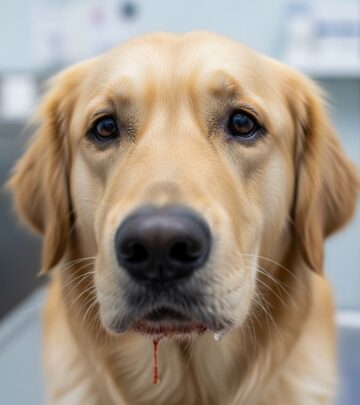
Safeguarding Dogs from Rattlesnake Encounters
Comprehensive strategies to keep your canine companion safe from venomous rattlesnakes.
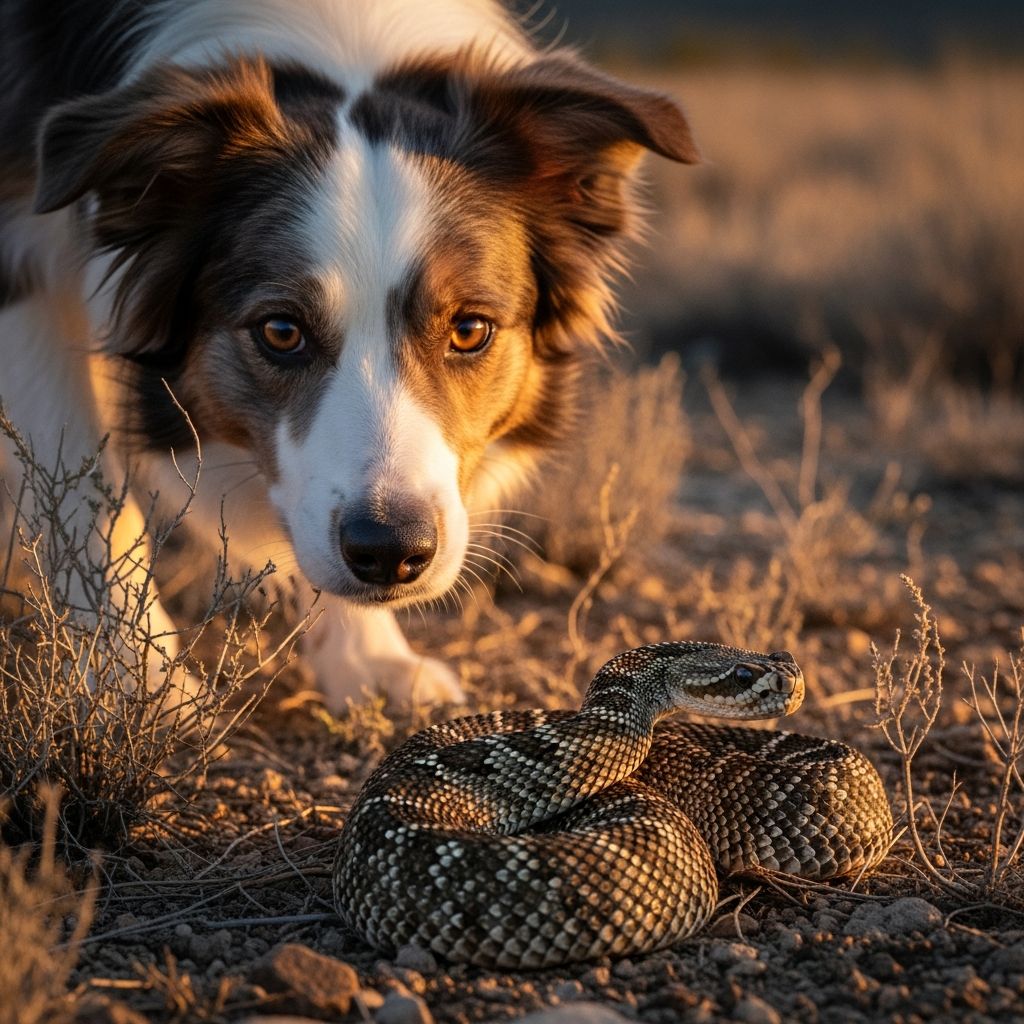
Rattlesnake encounters pose a serious threat to dogs in regions where these venomous reptiles are prevalent. Unlike humans who can consciously avoid snakes, dogs rely on their natural curiosity and instincts, which often lead them directly into danger. A curious nose poking through tall grass or beneath rocky outcrops can result in a venomous bite to the face, muzzle, or paws—areas where the consequences can be particularly severe. Understanding the risks and implementing comprehensive protective strategies is essential for any dog owner living in snake-prone areas. This guide explores multiple approaches to keeping your canine companion safe from rattlesnake threats.
Understanding Rattlesnake Behavior and Risk Factors
Rattlesnakes are generally passive creatures that prefer to retreat rather than confront threats. However, they will bite defensively when surprised, stepped on, or cornered. Dogs, with their investigative nature and ground-level perspective, are particularly vulnerable to accidental encounters. The primary danger occurs when dogs investigate rustling or movement in grass, under rocks, or in dense vegetation where rattlesnakes commonly rest or hunt.
Risk levels vary based on geographic location, season, and habitat. Warmer months, typically spring through early fall, represent peak rattlesnake activity periods. Areas with rocky terrain, tall grass, brush, and proximity to water sources create ideal rattlesnake habitats. Desert regions, mountainous areas, and even suburban properties adjacent to wild spaces present ongoing exposure risks for dogs.
Essential Leash Management and Environmental Controls
The most fundamental and effective protection method remains surprisingly simple: maintaining consistent leash control. When walking in snake-prone areas, a leash allows you to monitor your dog’s movements, prevent sudden dashes into vegetation, and physically separate your pet from potential hazards. This basic tool provides immediate oversight and intervention capacity that off-leash walking simply cannot offer.
Beyond leash management, strategic route planning dramatically reduces exposure. Prioritize well-maintained trails and cleared pathways over areas with dense brush, tall grass, and rocky terrain. These high-risk zones serve as preferred rattlesnake habitats. When selecting walking areas, choose locations that receive regular foot traffic and maintenance, as these environments discourage snake settlement.
Property Maintenance and Exclusion Strategies
Your yard requires systematic preparation to minimize rattlesnake presence:
- Remove debris piles, fallen branches, and leaf accumulation that provide snake shelter
- Maintain short grass and eliminate overgrown vegetation near fencing and structures
- Secure or remove woodpiles and compost bins where snakes may hide
- Seal gaps beneath porches, decks, and foundation areas
- Keep bird feeders and pet food indoors to eliminate rodent attraction
- Secure trash containers with locking lids to prevent rodent populations
These measures address both direct snake presence and the rodent populations that attract snakes to residential areas. Reducing available prey removes a primary reason for snakes to venture into your yard.
Snake exclusion fencing represents the most comprehensive physical barrier against rattlesnake intrusion. Specialized fencing designs prevent snakes from entering while maintaining the fence’s aesthetic appearance. Standard fencing alone proves inadequate, as snakes can navigate gaps and climb. Professional installation ensures proper construction and gap elimination.
Vaccination as a Protective Medical Intervention
The canine rattlesnake vaccine offers an additional protective layer by building antibodies against specific venom components. Understanding its capabilities and limitations is essential for informed decision-making.
How the Vaccine Functions
Unlike antivenins that counteract toxins after a bite occurs, the rattlesnake vaccine works prophylactically, administered before any bite exposure. The vaccine contains components that stimulate the dog’s immune system to develop protective antibodies specifically targeting rattlesnake venom. Most dogs receive either two or three doses administered at six to twelve-month intervals, depending on body size and local risk exposure.
Protection Timeline and Effectiveness
Dogs typically achieve meaningful protection within 30 to 45 days following vaccination. However, smaller dogs weighing under 25 pounds and larger dogs exceeding 100 pounds benefit from booster shots administered approximately one month after the initial vaccination. These size extremes may require extended time to develop adequate antibody levels.
Research and veterinary reporting indicate that vaccinated dogs experience measurable benefits if bitten. Veterinarians report that vaccinated dogs show less swelling, reduced tissue damage, faster recovery, and decreased death risk compared to unvaccinated dogs. While the vaccine significantly improves outcomes, it is not a complete guarantee against serious consequences from bites.
Vaccine Limitations and Coverage
The vaccine provides optimal protection specifically against western diamondback rattlesnake venom. Limited protection may extend to sidewinder, timber rattlesnake, and copperhead venom. Critically, the vaccine offers no protection against water moccasin (cottonmouth), coral snake, or Mojave rattlesnake venom. Dogs in regions with these species require different protective approaches or alternative vaccine options.
Snake Avoidance Training Programs
Professional snake avoidance training teaches dogs to recognize and actively avoid rattlesnakes through conditioned responses. These programs vary in methodology and effectiveness based on training approach and dog temperament.
Electronic Collar Training Methods
Traditional avoidance training programs utilize electronic collars (e-collars) paired with live rattlesnakes to create negative associations. The process involves careful exposure to safely handled rattlesnakes with depleted venom glands, clipped fangs, or rendered venom glands inert. When the dog approaches the snake, it typically strikes or rattles, and the handler simultaneously activates the e-collar, creating an unpleasant sensation.
This pairing teaches dogs to associate the snake’s presence with discomfort, encouraging them to blame the snake for the unpleasant sensation rather than the handler. The conditioning effect can be immediate and dramatic, with dogs showing strong avoidance behaviors that persist long after training completion. Dogs successfully trained through this method display little interest in approaching snakes, even when encountered in natural settings.
Positive Reinforcement Alternatives
Some trainers employ positive reinforcement methods using alternative stimuli rather than live snakes. These approaches utilize shed snake skins, recorded rattling sounds, fake snakes, or deceased snakes to teach avoidance without the shock collar component. While less commonly observed, these methods can be equally effective, with the added benefit of increased owner participation in the training process. Positive methods strengthen the dog-owner bond while establishing avoidance conditioning.
Training Prerequisites and Considerations
Snake avoidance training works most effectively with dogs possessing solid obedience skills. Dogs that already respond reliably to commands adjust more readily to avoidance conditioning. Training is most beneficial for dogs with high exposure risk, such as hiking companions, hunting dogs, or pets in rural snake-dense areas.
Response Protocols for Suspected Rattlesnake Bites
Despite preventive efforts, bites may occur. Immediate, appropriate response significantly influences outcomes.
Immediate Actions to Take
Upon suspecting a rattlesnake bite, move your dog away from the snake’s strike range immediately. Keep your pet as calm and immobilized as possible, as activity increases venom circulation throughout the body. Activity elevation essentially accelerates the venom’s systemic effects, so minimize movement and excitement.
Contact your veterinarian or emergency animal hospital immediately, preferably calling ahead to alert them of the incoming emergency and suspected snake bite. This advance notice allows medical staff to prepare necessary equipment and antivenin if required.
Actions to Avoid
Certain well-intentioned but harmful interventions must be avoided. Do not apply ice directly to the bite site. Do not apply tourniquets or constrictive bandages. Do not attempt to suck out venom manually. These actions cause additional tissue damage, can accelerate venom absorption, or create new injuries. The only effective treatment involves professional veterinary intervention with appropriate antivenins and supportive care.
Comparative Protection Strategies: A Summary Table
| Protection Method | Effectiveness Level | Cost Range | Maintenance Requirements |
|---|---|---|---|
| Leash Control | Very High | Minimal | Consistent application |
| Yard Maintenance | High | Low to Moderate | Ongoing seasonal care |
| Exclusion Fencing | Very High | High | Annual inspection |
| Rattlesnake Vaccine | Moderate to High | Moderate | Regular booster schedules |
| Avoidance Training | High | Moderate to High | Occasional refresher training |
Integrating Multiple Protection Approaches
The most comprehensive protection combines multiple strategies rather than relying on single methods. A dog living in high-risk areas benefits from consistent leash control during walks, well-maintained property, vaccination status, and potentially avoidance training. This layered approach addresses protection from multiple angles and provides redundancy should any single method prove insufficient in specific situations.
Your veterinarian can assess your specific geographic location, local snake species, lifestyle factors, and dog temperament to recommend the most appropriate combination of protective measures for your individual circumstances.
Frequently Asked Questions
At what age can dogs receive rattlesnake vaccines?
Most veterinarians recommend waiting until dogs are at least 4-6 weeks old before beginning vaccination protocols. Consult your veterinarian regarding appropriate timing based on your dog’s age and health status.
How often does my dog need booster vaccinations?
After the initial series, booster vaccinations are typically administered annually or every six to twelve months, depending on the vaccine manufacturer’s recommendations and your dog’s individual risk exposure.
Can my dog get bitten even with the vaccine?
Yes, vaccination does not prevent bites, only reduces the severity of consequences if a bite occurs. Snakes bite when startled or threatened, regardless of the dog’s vaccination status.
What is the success rate of avoidance training?
Successfully trained dogs demonstrate strong avoidance responses, though no training guarantees 100% protection in all situations. Dogs with solid obedience backgrounds typically achieve better results than those without basic training.
Are there non-electric collar training options available?
Yes, positive reinforcement methods using shed skins, recorded sounds, or fake snakes provide alternative training approaches that avoid shock collar use.
References
- Rattlesnake Awareness: Protecting Your Pets — Scottsdale Veterinary Clinic. Accessed January 2026. https://www.scottsdaleveterinaryclinic.com/services/pets/blog/rattlesnake-awareness-protecting-your-pets
- Rattlesnake-Proof Your Canine Hiking Buddy: Vaccines and Avoidance Therapy for Hiking Dogs — KUHL. Accessed January 2026. https://www.kuhl.com/borninthemountains/vaccines-avoidance-therapy-for-hiking-dogs
- Keeping Dogs Safe in Snake Country — Living With Snakes. Accessed January 2026. https://www.livingwithsnakes.org/dogs/
- Rattlesnake Avoidance Training: Keeping Dogs Safe! — YouTube. Accessed January 2026. https://www.youtube.com/watch?v=WO9z9SSuwNc
- Protecting Your Pets From Rattlesnakes — Chimney Rock Animal. Accessed January 2026. https://chimneyrockanimal.com/protecting-your-pets-from-rattlesnakes/
- Understanding the Dog Rattlesnake Vaccine — Bulverde Animal Hospital. Accessed January 2026. https://bulverdeanimalhospital.com/blog/understanding-the-dog-rattlesnake-vaccine/
- Rattlesnake Avoidance Training Info — Ruff Translation Dog Training. Accessed January 2026. https://www.rufftranslation.com/blog/rattlesnake-avoidance-training-info
Similar Articles







Read full bio of medha deb