

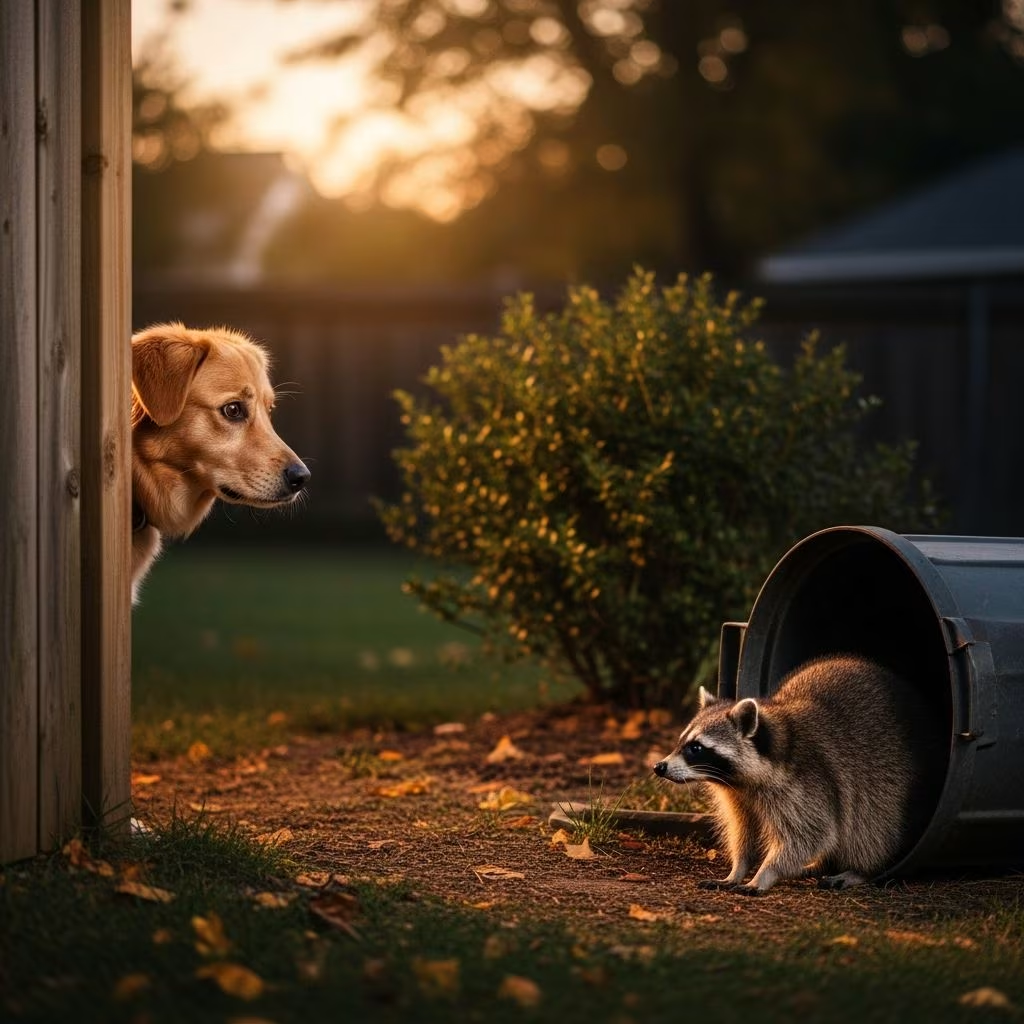
Raccoons pose a significant risk to dogs due to their territorial nature and potential to carry diseases like rabies. These nocturnal animals often clash with pets over territory or resources, leading to injuries from bites or scratches. Understanding raccoon behavior and implementing proactive measures can prevent most incidents while preparing owners for emergencies.
Understanding Raccoon Behavior Around Pets
Raccoons are opportunistic foragers that thrive in urban environments, drawn to unsecured garbage, pet food, and shelter spots. They typically avoid larger dogs but will defend themselves aggressively if cornered, targeting vulnerable areas like the eyes, chest, or abdomen. Dogs, being naturally curious and territorial, often provoke encounters by barking or chasing, escalating situations quickly.
- Raccoons are most active at night, increasing risks during evening walks or yard time.
- Mothers with kits become highly defensive, attacking perceived threats to their young.
- These animals can transmit rabies through saliva, making any contact a medical concern.
Recognizing signs of raccoon presence—such as knocked-over bins, footprints, or vocalizations—allows owners to act before confrontations occur.
Prevention Strategies for Your Yard and Home
Creating a raccoon-resistant environment starts with eliminating attractants. Secure all potential food and shelter sources to discourage visits.
| Attractant | Prevention Method |
|---|---|
| Garbage cans | Use tight-fitting lids with bungee cords or locks; store in garages. |
| Pet food bowls | Remove immediately after meals; avoid outdoor feeding stations. |
| Bird feeders/compost | Elevate or use raccoon-proof designs; bury compost securely. |
| Shelter spots | Seal gaps under decks, porches, and sheds with hardware cloth. |
Install motion-activated lights and sprinklers to startle intruders. Fencing should be at least 8 feet tall with overhangs to prevent climbing. Supervise dogs during dusk and dawn, using leashes in high-risk areas.
Immediate Actions During a Raccoon Confrontation
When a raccoon and dog clash, prioritize safety without physical intervention. Panic can worsen the situation, as dogs feed off owner energy.
- Stay composed and command recall: Use a firm \”come\” or \”leave it,\” rewarding compliance with treats or praise.
- Maintain distance: Never use hands to separate; risk of bites or scratches to humans is high.
- Intimidate from afar: Clap hands, shout, or bang objects to scare the raccoon, which often flees from loud noises.
- Focus intervention on wildlife: If necessary, grab the raccoon by the tail or scruff with protective gear and remove it safely.
Avoid pulling your dog by hind legs, as this disorients them and invites counterattacks.
Post-Encounter Health Checks and Veterinary Care
After any clash, inspect your dog thoroughly for wounds, even puncture marks hidden by fur. Raccoon saliva can introduce bacteria or viruses, necessitating prompt action.
- Flush wounds with saline or mild soap; apply antiseptic.
- Quarantine the dog for 2-4 hours to monitor for rabies symptoms like aggression or foaming.
- Rush to a vet for antibiotics, tetanus shots, and rabies boosters if unvaccinated.
Serious injuries may require stitches, imaging for internal damage, or surgery. Full recovery can take weeks, with costs varying by severity.
Psychological Recovery for Traumatized Dogs
Surviving an attack often leaves dogs fearful of specific areas or times. Gradual desensitization rebuilds confidence without force.
Begin with positive associations near the incident site: offer high-value treats or toys during short visits. Progress slowly, using counter-conditioning where scary cues pair with rewards. Invite confident playmates for supervised yard sessions to normalize the space. Patience is key—rushing can deepen aversions.
Legal and Disease Considerations
Raccoons are rabies reservoirs in many regions; any bite mandates reporting to animal control. Vaccinate dogs routinely and consider titer tests for boosters. Trapping or harming raccoons may violate wildlife laws—consult professionals for humane removal.
Frequently Asked Questions (FAQs)
Are raccoons likely to attack large dogs?
Generally no, but cornered raccoons or those protecting young will fight regardless of size.
What if my dog kills a raccoon?
Seek vet care immediately for potential disease exposure; contact authorities for testing.
Can I use repellents safely?
Opt for commercial, pet-safe options like ammonia-soaked rags or predator urine, but combine with physical barriers.
How do I raccoon-proof my fence?
Add electric wiring or floppy tops to deter climbing; bury mesh 12 inches underground.
Is nighttime indoor confinement necessary?
Highly recommended, as raccoons peak in activity then.
Long-Term Wildlife Management
Partner with licensed trappers for persistent issues. Regular property audits identify vulnerabilities. Educate family on protocols, especially children, to foster a vigilant home.
By integrating these practices, dog owners minimize risks, ensuring safe outdoor enjoyment.
References
- Protect Pets From Raccoon Attacks — Skedaddle Wildlife (Oshawa). 2023. https://www.skedaddlewildlife.com/location/oshawa/blog/what-to-do-if-your-dog-comes-face-to-face-with-a-raccoon/
- Keeping Pets Away from Raccoons — Skedaddle Wildlife (Milwaukee). 2023. https://www.skedaddlewildlife.com/location/milwaukee/blog/keep-your-pets-away-from-raccoons/
- What To Do If Your Pet Fights a Raccoon — Wildlife X Team. 2023. https://www.wildlifexteam.com/about/blog/what-to-do-if-your-pet-fights-a-raccoon.html
- Raccoon Attack! — Whole Dog Journal. 2023. https://www.whole-dog-journal.com/care/raccoon-attack/
- Raccoon Control Tips to Protect Pets — Hawkeye Bird & Animal Control. 2023. https://www.hawkeye.ca/blog/raccoon-control-tips-to-protect-pets



