

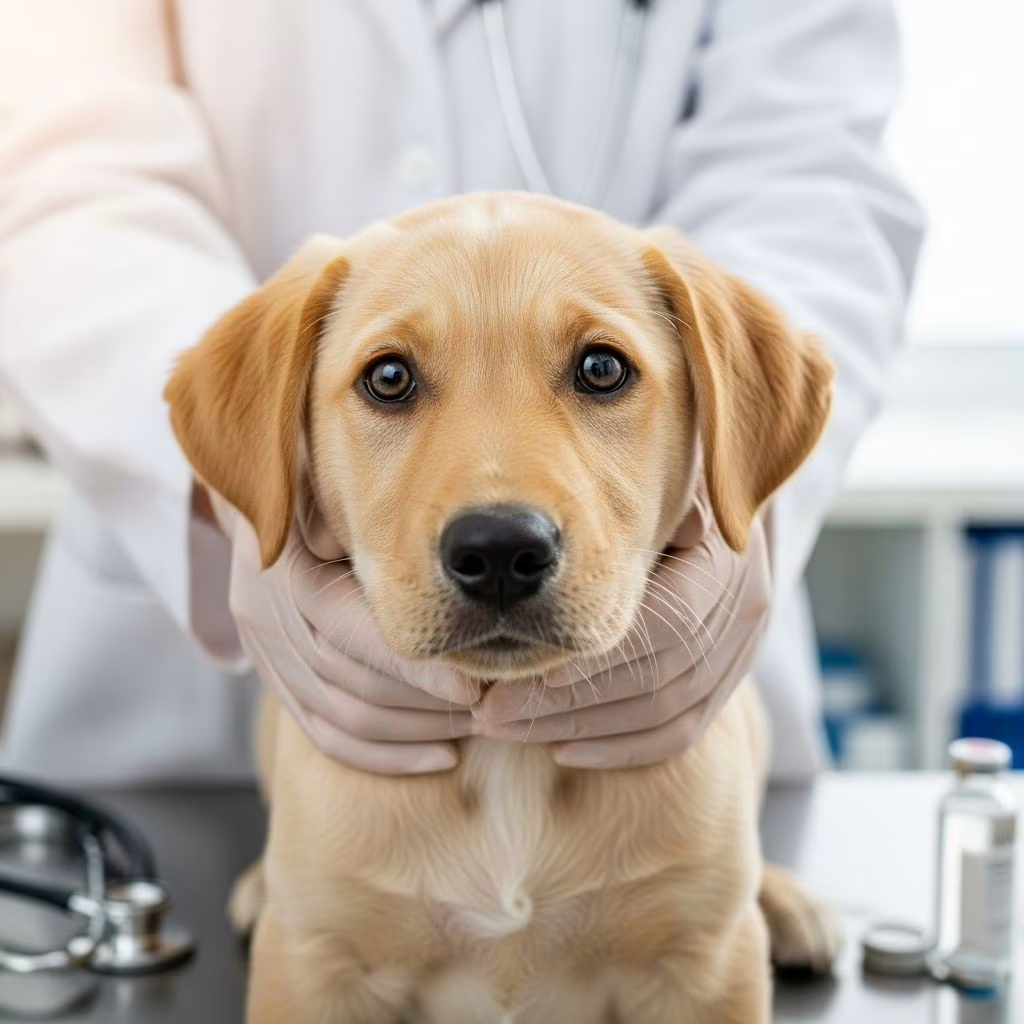
Canine parvovirus, often shortened to parvo, poses a severe threat to dogs, especially young puppies, by attacking their gastrointestinal system and immune defenses. This highly contagious virus spreads rapidly through contact with infected feces and contaminated environments, leading to potentially fatal outcomes if not addressed swiftly. Dog owners must prioritize awareness of its dangers, recognize early indicators, and adopt rigorous preventive measures to shield their pets.
Understanding the Nature of Canine Parvovirus
Parvovirus targets rapidly dividing cells in a dog’s intestines and bone marrow, disrupting digestion and immunity. It thrives in environments without proper cleaning, surviving on surfaces for extended periods—sometimes months or even years—without sunlight or bleach exposure. Puppies under six months and unvaccinated adults face the highest risks due to immature or unprimed immune systems.
The virus enters through the mouth, often via paws or sniffing contaminated areas. Shedding occurs in feces from days before symptoms appear until weeks after recovery, amplifying transmission risks in shared spaces like parks or kennels.
Recognizing Early Warning Signs
Initial symptoms emerge 3-7 days post-exposure, starting subtly before escalating. Watch for these critical indicators:
- Lethargy and weakness: Dogs appear unusually tired and reluctant to move.
- Loss of appetite: Refusal to eat, even favorite foods.
- Fever above 103°F: Often accompanied by shivering.
As the disease advances, severe gastrointestinal distress sets in:
- Bloody diarrhea: Foul-smelling, dark, or bloody stools signal intestinal damage.
- Persistent vomiting: Leads to rapid dehydration.
- Abdominal tenderness: Dogs may hunch or cry when touched.
Dehydration manifests as sunken eyes, dry gums, and skin that tents when pinched. Without intervention within 48-72 hours, shock and organ failure can occur.
Diagnosis Methods for Swift Confirmation
Veterinarians confirm parvo via a fecal antigen test, yielding results in minutes, or PCR for definitive identification. Bloodwork assesses white blood cell counts, often critically low, and checks electrolyte balances. Abdominal imaging rules out other conditions like intestinal blockages.
| Method | Purpose | Timeframe |
|---|---|---|
| Fecal SNAP Test | Detects viral proteins | 10-15 minutes |
| PCR Test | Identifies viral DNA | 1-2 days |
| Complete Blood Count | Monitors immunity and dehydration | Immediate |
Early diagnosis dramatically boosts survival odds to 85-95% with aggressive care.
Comprehensive Treatment Approaches
No antiviral directly eliminates parvo; therapy supports the body until immunity prevails. Hospitalization in isolation lasts 5-7 days with 24/7 monitoring.
Core treatments include:
- IV Fluids and Electrolytes: Combat dehydration, restore balance, and maintain blood pressure.
- Anti-Emetics: Medications like maropitant halt vomiting.
- Antibiotics: Prevent secondary bacterial invasions, e.g., metronidazole or amoxicillin.
- Pain Management: Analgesics ease abdominal discomfort.
- Nutritional Support: Feeding tubes deliver calories if oral intake fails.
Emerging option: Canine Parvovirus Monoclonal Antibody (CPMA), a single injection neutralizing the virus, reducing symptom severity when given early.
Plasma transfusions aid severe cases by supplying antibodies and clotting factors. Costs range from thousands due to intensive care needs.
Prognosis Factors Influencing Recovery
Survival hinges on promptness: Early treatment yields high success, but delays elevate mortality, especially in puppies under 6 months. Factors worsening outlook include low white cell counts, profound dehydration, or concurrent parasites.
Post-recovery, dogs develop lifelong immunity but remain contagious for 2 weeks. Isolate them and disinfect thoroughly.
Proven Prevention Strategies
Vaccination forms the cornerstone, starting at 6-8 weeks with boosters every 2-4 weeks until 16-20 weeks, then annually, and every 3 years. Part of core distemper combo vaccines.
Additional safeguards:
- Limit Exposure: Keep unvaccinated pups from dog parks, pet stores, or stray feces. Use strollers for safe outings.
- Hygiene Protocols: Wipe paws post-walks; avoid shared bowls.
- Safe Socialization: Only with fully vaccinated dogs.
Mastering Environmental Disinfection
Parvo resists most cleaners; use 1:30 bleach solution (1 part bleach to 30 parts water). Remove organics first, apply, wait 10+ minutes, rinse. Repeat for contaminated areas. Sunlight accelerates inactivation.
Quarantine recovered dogs for 2 weeks; launder bedding at high heat.
Vaccination Timelines for Puppies and Adults
| Age | Action | Notes |
|---|---|---|
| 6-8 weeks | First dose | Start series early in high-risk areas |
| 10-12 weeks | Booster 1 | Every 2-4 weeks |
| 14-16 weeks | Final puppy booster | Ensures maternal antibody interference overcome |
| 1 year | Adult booster | Confirms immunity |
| Every 3 years | Maintenance | Titer tests optional |
Special Considerations for High-Risk Dogs
Puppies from shelters or breeders may need earlier shots from 4 weeks. Breeds like Rottweilers or Dobermans show genetic susceptibility. Pregnant dogs risk fetal loss; vaccinate before breeding.
Traveling? Confirm vaccination status and avoid endemic zones.
FAQs on Canine Parvovirus
Q: Can parvo affect adult dogs?
A: Yes, though less severely than puppies; unvaccinated adults remain vulnerable.
Q: Is there a home remedy for parvo?
A: No—seek veterinary care immediately; supportive therapy is essential.
Q: How long is parvo contagious?
A: Up to 2 weeks post-recovery; disinfect rigorously.
Q: Does CPMA cure parvo?
A: It mitigates damage but pairs with supportive care.
Q: Can humans spread parvo to dogs?
A: No, but carry it on shoes/clothes from contaminated areas.
Long-Term Health Monitoring Post-Exposure
Survivors need follow-up bloodwork to track immunity and gut recovery. Maintain core vaccines, annual checkups, and fecal exams for parasites. Balanced nutrition bolsters resilience.
By integrating vaccination, hygiene, and vigilance, owners drastically reduce parvo risks, ensuring joyful, healthy lives for their dogs.
References
- Canine Parvovirus: Symptoms and Prevention — ASPCA Pet Insurance. 2023. https://www.aspcapetinsurance.com/resources/canine-parvovirus-symptoms-and-prevention/
- Parvo in Dogs and Puppies: Causes, Symptoms, and Treatment — PetMD. 2024. https://www.petmd.com/dog/conditions/infectious-parasitic/parvo-in-dogs
- Parvo in Dogs: Signs, Treatment, and Prevention — Project Street Vet. 2023. https://www.projectstreetvet.org/blog/parvo-in-dogs
- Dog Parvovirus: Symptoms & Prevention — Bruceville Animal Hospital. 2022-11-17. https://www.brucevilleph.com/site/blog/2022/11/17/dog-parvovirus
- Parvovirus: Transmission to Treatment — Cornell University College of Veterinary Medicine. 2024. https://www.vet.cornell.edu/departments-centers-and-institutes/riney-canine-health-center/canine-health-topics/parvovirus-transmission-treatment
- Canine Parvovirus — American Veterinary Medical Association (AVMA). 2024. https://www.avma.org/resources-tools/pet-owners/petcare/canine-parvovirus
- Parvovirus in Dogs: Symptoms, Causes, and Treatments — GoodRx. 2024. https://www.goodrx.com/pet-health/dog/parvovirus-in-dogs
- Parvovirus in Dogs — VCA Animal Hospitals. 2024. https://vcahospitals.com/know-your-pet/parvovirus-in-dogs



