

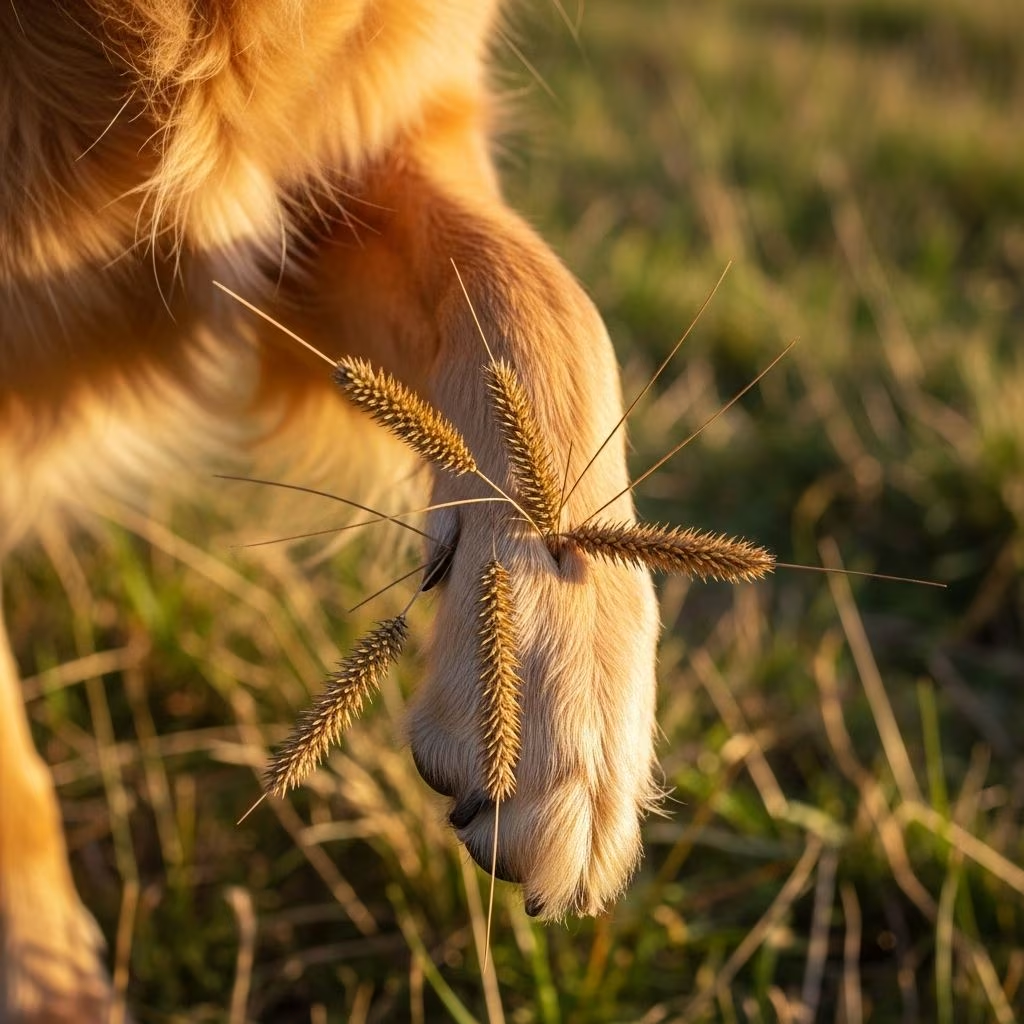
Foxtails, the barbed seed heads of certain grasses, represent a hidden danger to dogs during outdoor activities. These sharp structures can embed in a dog’s skin, paws, ears, eyes, nose, or even migrate internally, leading to infections, abscesses, and severe health issues if not addressed promptly.
Understanding the Foxtail Menace
Foxtails develop on plants like cheatgrass or Hordeum murinum, maturing into dry, arrow-shaped spikes in late spring through fall, particularly in dry climates. Their design, with backward-facing barbs, allows easy skin penetration while resisting backward movement, propelling them deeper into tissues. Dogs encounter them in fields, trails, yards, or parks, where sniffing, running, or rolling picks them up effortlessly.
Short-haired breeds may seem less vulnerable, but all dogs face risks, especially long-haired or light-furred ones where seeds camouflage easily. Inland regions with hot summers see peak prevalence, making seasonal awareness crucial for pet owners.
Common Entry Points and Health Impacts
Foxtails target vulnerable areas:
- Paws: Between toes, causing limping and swelling.
- Ears: Leading to head shaking and infections.
- Nose and Mouth: Triggering sneezing, coughing, or gagging.
- Eyes: Resulting in squinting, discharge, or ulcers.
- Skin: Forming lumps or draining tracts on legs, belly, or armpits.
If ignored, foxtails migrate, causing abscesses, fistulas, or organ damage like pneumonia or spinal issues. Early detection prevents costly surgeries.
Prevention Blueprint: Proactive Steps for Safety
Prevention hinges on habitat avoidance, grooming, and vigilance. Key tactics include:
- Route Selection: Stick to mowed lawns, paved paths, or beaches. Skip overgrown fields during dry seasons.
- Seasonal Awareness: Monitor local grass conditions; alter walks when foxtails emerge.
- Post-Outing Inspections: Check paws, ears, underbelly, armpits, groin, and tail base immediately after play. Use good lighting and part fur thoroughly.
| Body Area | Inspection Tips | Common Signs |
|---|---|---|
| Paws/Toes | Spread toes, clip fur if long | Limping, licking, redness |
| Ears | Peek inside, shake head check | Shaking, odor, discharge |
| Nose/Mouth | Examine nostrils, gums | Sneezing, pawing, drooling |
| Eyes | Check whites, under lids | Redness, tearing, squinting |
| Coat/Skin | Brush thoroughly | Lumps, hair loss, wounds |
Grooming as a Foxtail Shield
Regular trims reduce hitchhiking risks. Opt for short cuts around paws, ears, and belly—often called ‘foxtail’ or ‘summer clips’. Brush daily, especially thick or curly coats, removing mats where seeds hide. Long-haired dogs benefit most from professional grooming during peak season.
Protective Gear Innovations
Modern tools enhance defense:
- Booties: Shield paws on trails; ensure breathable, fitted models.
- Protective Hoods: Mesh barriers like OutFox cover face orifices, adjustable for comfort.
- Eyewear/Goggles: Prevent eye entry during high-risk hikes.
Introduce gear gradually with positive reinforcement to avoid stress.
Yard Management Strategies
Control home environments by mowing frequently, using weed torches on young plants, or herbicides safely. Pull roots early in spring before seeding. Fencing excludes wild areas.
Spotting Trouble: Symptoms Demanding Attention
Behavioral cues signal invasion:
- Persistent sneezing or nasal discharge.
- Head tilting/shaking.
- Eye pawing or excessive tearing.
- Lameness or toe-chewing.
- Coughing, gagging, or swallowing issues.
- Sudden aggression toward touch spots.
Even without visible seeds, symptoms warrant vet visits—foxtails burrow quickly.
Home First Aid: Safe Initial Responses
For superficial cases:
- Visible Seeds: Use tweezers for shallow extractions; flush with saline.
- Paw Cleaning: Soak in warm water, trim fur, remove if possible.
Critical Warning: Never probe deep, squeeze, or ignore swelling/infection signs. Rush to vet for ears, nose, eyes, or internals.
Veterinary Interventions Explained
Professionals use:
- Otoscopy/Rhinoscopy: Visualize ear/nose with scopes.
- Sedation/Scoping: For precise retrieval.
- Surgery: For migrated foxtails via imaging-guided excision.
- Antibiotics/Anti-inflammatories: Combat secondary infections.
Costs vary; pet insurance covers many cases, especially in foxtail-heavy zones. Prompt care minimizes complications.
Seasonal Action Plan for Dog Owners
Build a year-round protocol:
- Pre-Season: Trim coat, stock gear, map safe trails.
- Peak Months: Daily checks, leash control, gear use.
- Post-Season: Full groom, yard cleanup.
- Training: Teach ‘check’ cues for self-inspections.
Adapt for breed/activity: hunters or herders need extra vigilance.
Frequently Asked Questions
What if my dog ate a foxtail?
Monitor for vomiting, lethargy; contact vet immediately as it may lodge in throat or intestines.
Are foxtails dangerous to cats too?
Yes, similar risks apply; prevention mirrors dogs.
Can foxtails be fatal?
Rarely directly, but untreated migrations can lead to sepsis or organ failure.
How often should I inspect my dog?
After every outdoor session, plus daily in high-risk seasons.
Is there a vaccine or repellent?
No; mechanical prevention is best.
References
- How to Spot, Prevent, and Treat Foxtail Injuries in Pets — Advanced Veterinary Medical Center. 2023. https://advancedvmc.net/how-to-spot-prevent-and-treat-foxtail-injuries-in-pets/
- Protect Your Dog From Foxtails — AKC Pet Insurance. 2024. https://www.akcpetinsurance.com/blog/foxtails-protect-your-dog
- Protecting Your Pet From the Dangers of Foxtails — San Francisco SPCA. 2023. https://www.sfspca.org/blog/protect-your-pet-from-the-dangers-of-foxtails/
- Outfox Foxtails – Protecting Your Dog against Foxtails — Felton Veterinary Hospital. 2024. https://www.feltonveterinaryhospital.com/blog/outfox-foxtails-protecting-your-dog-against-foxtails/
- Protecting Your Pup: Foxtail Safety Tips for Dog Owners — Hightail Hikes. 2023. https://hightailhikes.com/blogs/news/protecting-your-pup-foxtail-safety-tips-for-dog-owners
- Foxtails and Dogs — UC Davis School of Veterinary Medicine. 2025-03-01. https://healthtopics.vetmed.ucdavis.edu/health-topics/foxtails
- Fox Tail Dangers for Dogs: Emergency Signs and Urgent Care Guide — Garden State Veterinary Specialists. 2024. https://www.gsvs.org/eatontown-nj/blog/fox-tail-danger-dogs-emergency/



