

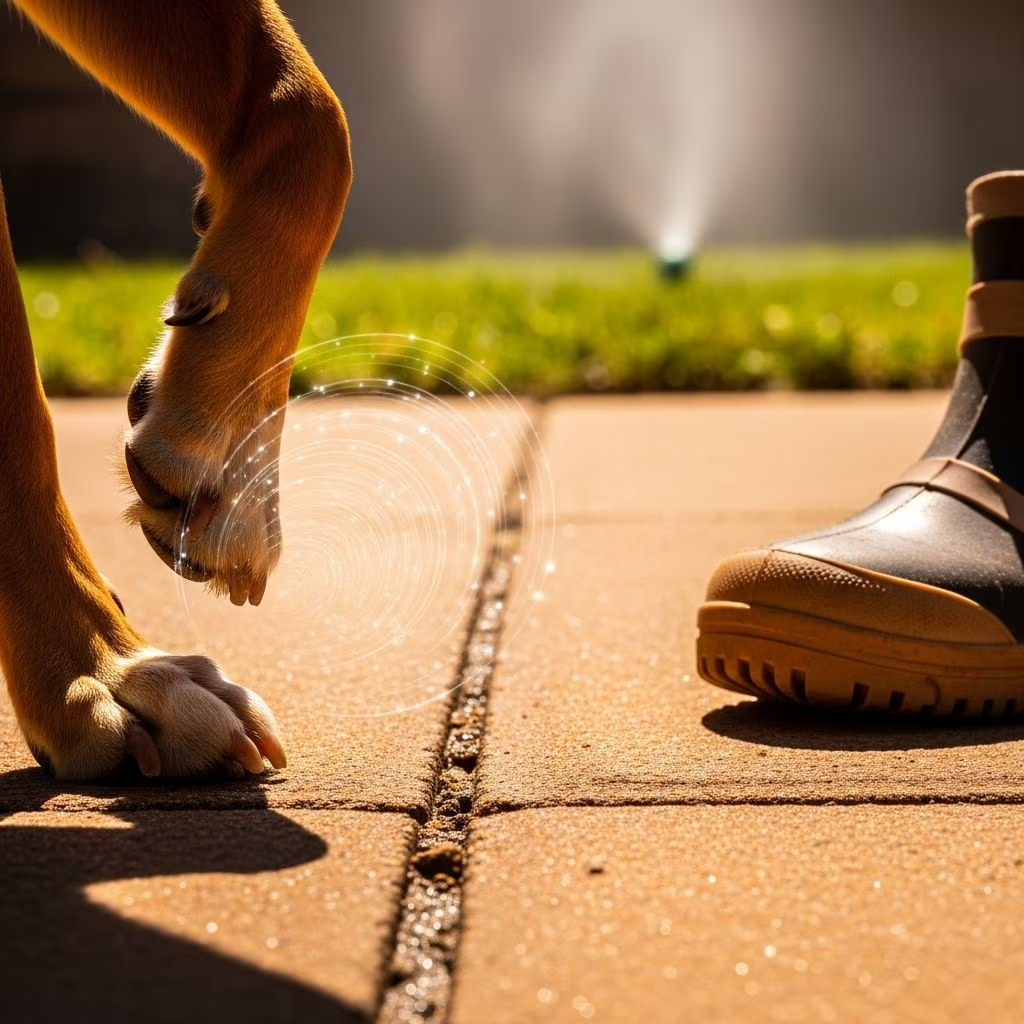
Dogs relish summer outings, but scorching pavements and sidewalks can inflict severe burns on their paw pads, which lack the protection of thick skin like humans enjoy. Asphalt and concrete absorb sunlight rapidly, often reaching temperatures over 120F (49C) while air temperatures hover around 85F (29C), posing immediate risks to unprotected paws. This guide explores practical solutions, from protective gear to behavioral adjustments, helping pet owners maintain their dogs’ comfort and mobility during warm months.
Understanding Paw Vulnerabilities in Hot Weather
Dog paw pads serve as natural shock absorbers, providing traction and cushioning on varied terrains. However, urban environments amplify heat retention on man-made surfaces. Studies indicate that dark asphalt can heat up 40-60F above ambient air, causing thermal injuries within seconds of contact. Softer pads, common in puppies or indoor dogs, suffer most, leading to blisters, cracks, or infections if untreated. Water exposure, like after swimming, further softens pads, heightening susceptibility. Recognizing these risks empowers owners to act preventively.
Smart Timing and Route Choices for Walks
Adjusting walk schedules prevents exposure to peak heat. Opt for dawn or dusk outings when surfaces cool naturally. The “7-second rule”—press the back of your hand to the ground; if it’s unbearable after seven seconds, it’s too hot for paws—offers a simple test.
- Choose early morning (before 9 AM) or evening (after 7 PM) slots to evade midday sun.
- Prioritize shaded paths, grassy fields, or dirt trails over concrete sidewalks.
- Avoid beaches with hot sand, which retains heat similarly to pavement.
- For short errands, carry small dogs or use strollers to limit ground contact.
These habits not only protect paws but also reduce overall heat stress, as cooler times align with lower dehydration risks.
Selecting the Right Protective Footwear
Dog booties and shoes form a reliable barrier against heat, with modern designs prioritizing breathability and fit. Heat-resistant models use mesh uppers for ventilation, preventing sweat buildup since dogs regulate temperature through paws. Key features include adjustable straps for secure fit, non-slip soles for stability, and lightweight construction to avoid fatigue.
| Bootie Type | Best For | Pros | Cons |
|---|---|---|---|
| Breathable Mesh Boots | Hot pavement walks | Ventilated, lightweight, grippy soles | May slip initially without training |
| Waterproof Variants | Beach or rainy days | Seals out moisture, durable | Less breathable in extreme heat |
| Disposable Covers | Occasional use | Cheap, no cleaning needed | Short-term only, less traction |
Introduce booties gradually with treats to build tolerance; many dogs adapt within a week. For traction-challenged breeds like Bulldogs, prioritize rugged soles.
Paw Balms and Waxes as Alternatives
Not all dogs tolerate footwear, making paw waxes a user-friendly option. These natural formulations create a moisture-retaining shield, toughening pads against minor heat and abrasions. Apply a thin layer before walks, massaging into pads and between toes for full coverage. Pet-safe ingredients like beeswax and shea butter ensure lick-safety.
- Use balms for moderate heat; they reduce cracking but won’t block extreme temperatures fully.
- Reapply after water exposure to restore protection.
- Combine with booties for high-risk outings.
While effective, waxes demand regular use and post-walk cleanup to prevent grit buildup. Vaseline serves as an emergency substitute, though less durable.
Building Natural Paw Resilience
Gradual exposure to varied surfaces fosters tougher pads. Regular walks on mild pavement or gravel during cooler seasons promote callus formation, enhancing burn resistance. Avoid overprotecting young dogs, as this keeps pads tender; balance with supervised rough-terrain play. Nutritional support, like diets rich in omega-3s, aids skin health from within, though consult vets for tailored advice.
Post-Walk Inspection and Care Routines
Daily paw checks catch issues early. Look for redness, swelling, limping, or blackened pads signaling burns. Gently clean with cool water and mild soap, drying thoroughly to avert infections. Moisturize with balm nightly, especially after dusty walks.
- Lift each paw, parting toes to inspect undersides.
- Trim excess fur between pads to minimize heat trapping.
- Monitor for excessive licking, a pain indicator.
- Seek veterinary care for open wounds or persistent lameness.
Establishing this routine prevents minor problems from escalating, ensuring paws stay functional year-round.
Advanced Protection for High-Risk Dogs
Breeds with thin pads (e.g., Greyhounds) or medical conditions like arthritis benefit from custom solutions. Orthopedic booties provide extra cushioning, while cooling mats offer post-walk relief. For urban dwellers, indoor exercise via puzzle toys reduces outdoor dependency during heatwaves. Hydration stations during walks further support paw health by countering sweat-induced drying.
Common Myths About Summer Paw Care
Misconceptions abound. Paw pads don’t “toughen up” overnight—consistent conditioning takes weeks. Booties aren’t just for winter; summer-specific models excel in heat. Finally, grassy areas aren’t always safe; sun-baked turf can scorch too. Dispelling these ensures informed choices.
FAQs on Dog Paw Protection
What temperature is too hot for dog paws?
Surfaces above 85F (29C) risk injury; use the hand test for accuracy.
Do dogs need booties every summer walk?
Only on hot pavement; grass or cool times suffice without.
Can paw wax prevent all burns?
It helps with mild heat but not extremes—pair with timing adjustments.
How to train a dog to wear booties?
Start indoors with rewards, progressing to short wears.
What if my dog gets a paw burn?
Cool with water, apply antibiotic ointment, and vet if severe.
Integrating these strategies transforms summer into a safe play season. Vigilant owners prevent paw woes, fostering joyful, pain-free explorations.
References
- Safety Tips To Protect Your Dog’s Paws – Florida Animal Friend — Florida Animal Friend. 2023. https://floridaanimalfriend.org/blog-post/protect-those-paws-summer-safety-tips-for-dogs-in-the-heat/
- Dog Boots for Hot Pavement – Heat-Resistant Paw Protection — All Dog Boots. 2024. https://www.alldogboots.com/Dog-Boots-Hot-Pavement-s/134.htm
- How to Protect Dog Paws in Summer — PetMD. 2024-06-15. https://www.petmd.com/dog/general-health/how-to-protect-dog-paws-summer
- 4 Dog Paw Protection Tips for Summer — VEG ER for Pets. 2023. https://www.veg.com/post/dog-paw-protection-tips
- Summertime Heat: Protect Your Dog’s Paws — Anthem Pets. 2023. https://www.anthempets.org/protect-your-dogs-paws/
- Tips to Protect Your Dog’s Paws from Hot Pavement — Shallowford Vet. 2024. https://shallowfordvet.com/tips-to-protect-your-dogs-paws-from-hot-pavement/



