

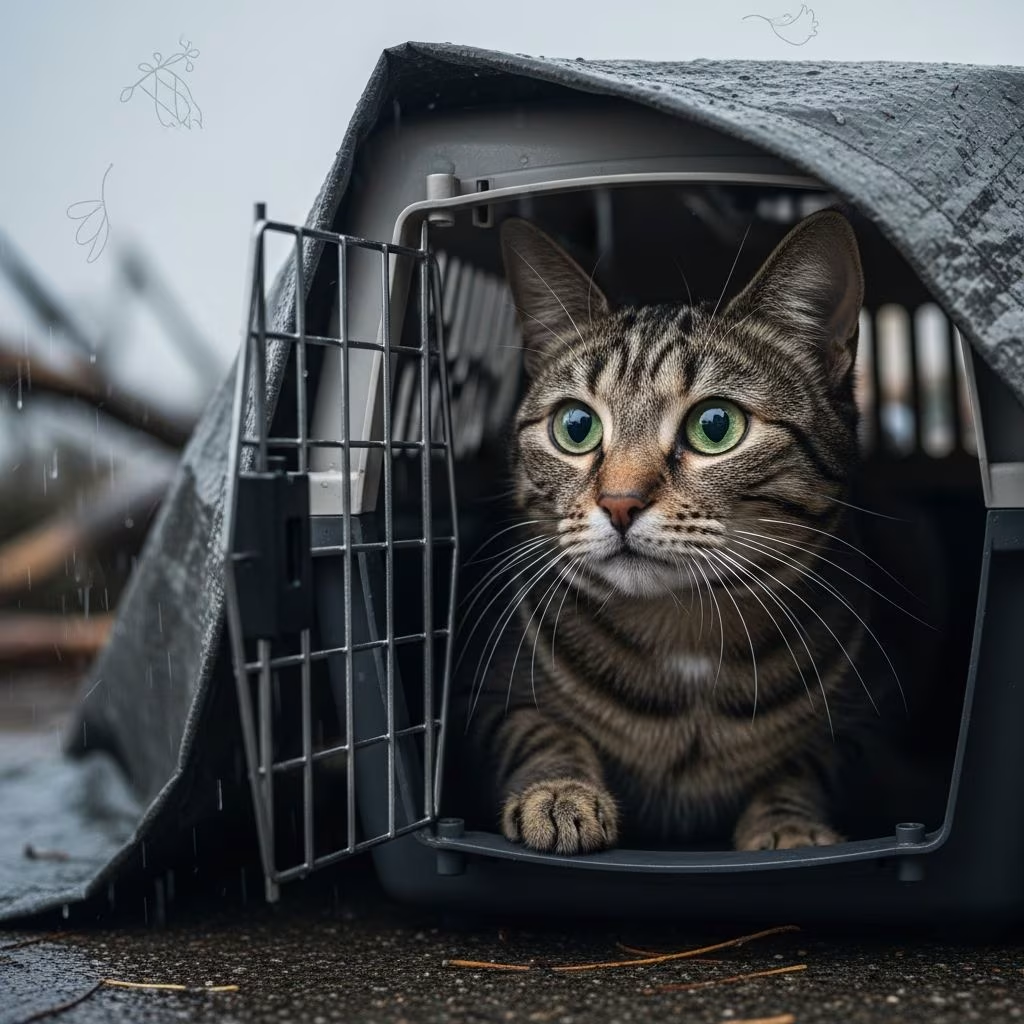
Your cat relies on you for protection, especially when unexpected events like floods, wildfires, or hurricanes strike. Proactive planning transforms potential chaos into manageable scenarios, ensuring both you and your feline friend emerge unharmed. This guide outlines critical steps drawn from veterinary experts and official preparedness resources.
Understanding Risks to Feline Well-Being
Cats face unique vulnerabilities during crises. Their instinct to hide can complicate rescues, while stress exacerbates health issues. Natural disasters disrupt food supplies, clean water access, and medical care, making advance preparation non-negotiable. Indoor cats, often overlooked in outdoor-focused advice, require tailored strategies to avoid disorientation or injury.
Common threats include flooding that contaminates litter areas, power outages halting climate control, and evacuations separating pets from owners. Statistics from emergency management agencies highlight that unprepared pets account for significant rescue challenges, underscoring the need for owner readiness.
Building a Comprehensive Feline Emergency Kit
An effective kit serves as your cat’s lifeline, stocked with essentials for at least 7-14 days of self-sufficiency. Store it in a waterproof, portable container near an exit for quick access. Rotate perishables like food and water every 2-3 months to maintain freshness.
- Food and Hydration: 7-14 days of non-perishable cat food (canned with pop-tops or dry); bottled water equivalent to needs (about 1 ounce per pound of body weight daily).
- Litter Essentials: Disposable trays (aluminum pans ideal), scoopable litter or paper towels, scooper, and waste bags.
- Medical Supplies: Two-week medication supply, first-aid items including gauze pads (4×4 inch), bandages, antiseptic wipes, tweezers, scissors, antibiotic ointment, gloves, and cold packs.
- Comfort Items: Familiar toys, blanket, extra collar with ID tags, leash/harness, recent photos, and photocopies of vet records in a waterproof pouch.
- Transport Gear: Sturdy crate or carrier sized for cat plus litter box; label with contact info using duct tape.
Customize based on your cat’s needs—seniors may require joint supplements, while kittens need milk replacer.
Identification and Tracking Measures
Lost cats overwhelm shelters post-disaster; permanent ID prevents this. Equip every cat with a breakaway collar bearing current phone numbers and address. Microchipping provides backup—scan-compatible even if tags fail.
Update chips via registries annually. Include a hard-copy photo in your kit for ‘lost’ posters. Train cats to enter carriers with positive reinforcement like treats, easing crisis handling.
Fortifying Your Home as a Safe Haven
If evacuation isn’t immediate, designate ‘safe rooms’ away from hazards. Basements, bathrooms, or utility areas with water access (pre-fill tubs/sinks during alerts) work best. Secure windows against debris and elevate supplies during flood risks.
Affix rescue alert stickers to entry doors noting pet count and types, alerting responders if you’re absent. Stock rooms with kit subsets for prolonged sheltering.
| Safe Room Criteria | Why It Matters | Preparation Steps |
|---|---|---|
| No Windows/Debris Risk | Prevents injury from impacts | Board up or cover glass |
| Water Source Nearby | Sustains hydration sans power | Fill tubs preemptively |
| Easy-Clean Surfaces | Manages accidents/litter | Choose tile/basement floors |
| High Ground Access | Flood protection | Stock elevated shelves |
Crafting an Evacuation Blueprint
Evacuate with your cat whenever feasible—never leave them behind. Practice routes and loading into carriers weekly. Identify pet-friendly hotels, kennels, or friends outside disaster zones in advance. Consult vets for boarding recommendations and shelters for foster options.
Vehicle prep includes secure carriers, avoiding free-roaming. For multi-pet homes, ensure transport capacity. During alerts, bring cats indoors immediately to curb panic escapes.
- Monitor weather/emergency alerts via apps/radio.
- Gather kit and cat within 5 minutes—practice drills.
- Follow official routes; have cash for pet-fee motels.
- Post-evacuation, check for stress signs like hiding or appetite loss.
Special Considerations for Vulnerable Cats
Senior, medical-needy, or multi-cat households demand extras. Stock insulin/glucose monitors for diabetics, or sub-Q fluids for kidney cases. Ferals or community cats need trap-neuter-release records and feeding stations mapped.
Pregnant queens require quiet, whelping supplies. Always prioritize human safety first—use pillowcases for quick grabs if carriers are inaccessible.
Post-Disaster Recovery Tactics
After events, inspect for injuries, contaminated water/food. Gradually reintroduce routines to combat stress-induced behaviors like over-grooming. Vet check-ups within 72 hours detect hidden issues.
Replenish kits promptly. Decontaminate environments with pet-safe disinfectants. Community resources like Red Cross aid recovery.
Frequently Asked Questions
Can I leave my cat during evacuation?
No—plans must include pets. Shelters often reject them; designated havens are key.
How much water does my cat need daily?
1 ounce per pound of weight; plan for 7-14 days stored properly.
What if my cat hates carriers?
Desensitize with daily treats inside; use towels for transport if needed.
Are there pet disaster apps?
Yes, FEMA and Red Cross offer alerts; pair with pet trackers.
How to handle feral cats in crises?
Provide elevated shelters, monitor colonies via Alley Cat Allies guides.
Final Thoughts on Proactive Protection
Disaster readiness empowers cat guardians to act decisively. Review plans yearly, involve family in drills, and stay informed via official channels. Your preparation directly correlates with positive outcomes.
References
- Disaster Preparedness | Cornell University College of Veterinary Medicine — Cornell Feline Health Center. 2023. https://www.vet.cornell.edu/departments-centers-and-institutes/cornell-feline-health-center/health-information/feline-health-topics/disaster-preparedness
- Disaster Planning for Cat Owners — ASPCApro. 2022. https://www.aspcapro.org/sites/default/files/aspca_disasterplanning_catsfinal.pdf
- Disaster Preparedness — ASPCA. 2024. https://www.aspca.org/pet-care/general-pet-care/disaster-preparedness
- Disaster Preparedness for Pet Owners — City of Seattle. 2023. https://www.seattle.gov/documents/Departments/Emergency/Preparedness/FamilyPlans/PetPreparedness.pdf
- Get the Cat Emergency Guide — Alley Cat Allies. 2024. https://www.alleycat.org/take-action/cat-emergency-guide/
- Emergency Preparedness for Pets and Animals — Mass.gov. 2025. https://www.mass.gov/info-details/emergency-preparedness-for-pets-and-animals
- Pet Disaster Preparedness & Recovery — American Red Cross. 2025. https://www.redcross.org/get-help/how-to-prepare-for-emergencies/pet-disaster-preparedness.html



