Safeguarding Cats From Winter Chill: Essential Tips
Discover safe temperature thresholds for cats and proven strategies to shield your pet from hypothermia, frostbite, and cold-related risks this season.
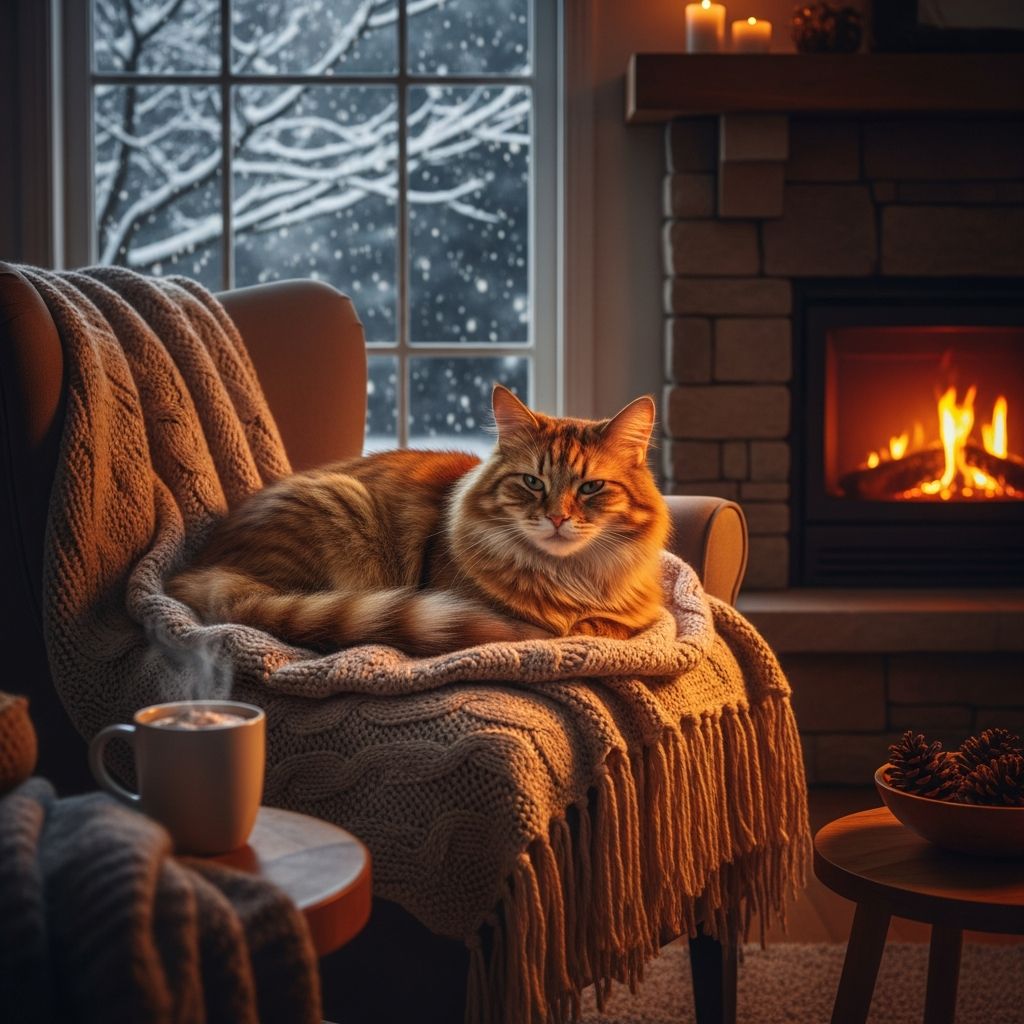
Safeguarding Cats from Winter Chill
Cats possess a natural affinity for warmth, with their ideal body temperature ranging from 101 to 102.5F (38.3 to 39.2C), far higher than humans’. This makes them particularly susceptible to cold stress even in mild winter conditions. Understanding temperature thresholds helps prevent serious issues like hypothermia and frostbite.
Decoding Temperature Safety Zones for Felines
Cats maintain comfort within a thermoneutral zone (TNZ) of approximately 86 to 100F (30 to 37.8C), where they expend minimal energy to regulate body heat. Below this, they seek warmth actively. Outdoor exposure amplifies risks due to wind, wet fur, and limited shelter.
- Safe Range (68F to 50F or 20C to 10C): Healthy adult cats tolerate these levels briefly, especially long-haired breeds like Maine Coons. Indoor cats remain comfortable if drafts are minimized.
- Caution Zone (50F to 32F or 10C to 0C): Discomfort sets in; kittens, seniors, and short-haired cats face elevated risks. Provide heated shelters for outdoor access.
- Danger Zone (Below 32F or 0C): High risk of hypothermia and frostbite. Keep all cats indoors; prolonged exposure can be fatal.
These ranges vary by factors like age, breed, health, and acclimation. Outdoor cats may develop thicker coats but still require protection below freezing.
Factors Influencing a Cat’s Cold Tolerance
Not all cats respond equally to low temperatures. Individual traits determine vulnerability.
| Factor | High Tolerance | Low Tolerance |
|---|---|---|
| Breed/Coat | Long-haired (Maine Coon, Norwegian Forest Cat) | Short-haired, hairless (Sphynx) |
| Age | Healthy adults | Kittens, seniors |
| Health | No chronic issues | Heart disease, endocrine disorders, thin body |
| Acclimation | Outdoor-adapted | Strictly indoor |
Short-coated or hairless breeds chill faster and may need sweaters indoors below 68F (20C). Kittens and elderly cats struggle with thermoregulation due to immature or declining metabolic efficiency.
Recognizing Cold Stress and Health Threats
Early detection prevents escalation. Watch for behavioral and physical cues.
- Mild Signs: Curling into tight balls, seeking radiators or laps, reduced activity.
- Moderate Signs: Shivering, lethargy, cold ears/paws, hunched posture.
- Severe Signs (Hypothermia): Weakness, slow breathing, dilated pupils, unconsciousness. Body temperature below 99F (37.2C) requires immediate vet care.
Hypothermia impairs organ function; frostbite affects extremities like ears, tail, and paws, causing pale skin that blisters upon thawing. Cold air worsens respiratory conditions such as asthma. Antifreeze, common in winter, poses poisoning risksits sweet taste attracts cats.
Indoor Strategies for Optimal Feline Comfort
Maintain indoor temperatures between 68F and 78F (20-25C) for pet comfort. Cats may feel chilly at human-comfortable 68F due to their higher TNZ.
- Seal drafts around windows/doors with weatherstripping.
- Use pet-safe space heaters or heated mats (avoid direct contact to prevent burns).
- Provide elevated beds or cat trees near vents for air circulation.
- Layer blankets in sleeping areas; micro fleece retains heat effectively.
For hairless breeds, consider vet-approved sweaters or vests. Increase wet food portions slightly, as digestion generates warmth, but monitor weight.
Outdoor Protection: Shelters and Best Practices
Ideal: Keep cats indoors year-round, especially below 45F (7C). If outdoor access is necessary:
- Build insulated shelters: Straw-filled boxes with flap doors, elevated off ground, facing away from wind.
- Add self-warming mats or mylar blankets inside.
- Limit outings to short potty breaks; supervise in extreme cold.
Feral cats benefit from community trap-neuter-return programs with winter colony shelters. Transition outdoor cats indoors gradually to avoid stress.
Nutritional and Grooming Support in Cold Months
Cold weather boosts caloric needs by up to 20-30% for outdoor cats to fuel shivering and hunting. Opt for high-protein, high-fat kibble or wet food.
- Feed smaller, frequent meals to aid digestion-warmth production.
- Ensure constant fresh water; use heated bowls to prevent freezing.
- Groom regularly: Brush to fluff coat for insulation; dry thoroughly after baths or rain.
Vaccinations against cat flu are crucial, as cold weakens immunity. Schedule senior wellness checks for early detection of cold-exacerbated issues.
Emergency Response to Cold Exposure
If hypothermia is suspected:
- Warm gradually: Use blankets, body heat (yours or another pet’s), avoid hot water.
- Offer warm (not hot) fluids if alert.
- Rush to vet: They may use IV fluids, warming pads, monitoring.
For frostbite, do not rub affected areas; seek professional thawing and pain management.
Seasonal Hazards Beyond Temperature
Winter brings salt-treated roads irritating paws, toxic de-icers, and holiday decorations. Booties protect paws; wipe after walks. Secure strings and tinsel to prevent ingestion.
FAQs: Common Questions on Cat Winter Safety
At what temperature should I bring my cat inside?
Below 45F (7C) for extended periods; immediately below 32F (0C).
Do long-haired cats need winter protection?
Yes, even they risk hypothermia in sub-zero conditions or wet weather.
Can indoor cats get too cold?
Yes, below 68F (20C) if drafty; they prefer 86F+.
How do I know if my cat has frostbite?
Pale, swollen, or discolored ears/paws; pain upon touch.
Is it safe to shave my cat in winter?
Avoid full shaves; their coat insulates naturally.
Proactive care ensures your cat thrives through winter. Monitor weather, adapt environments, and consult vets for personalized advice.
References
- How cold is too cold for cats? – Vets Now Vets Now. 2023. https://www.vets-now.com/pet-care-advice/too-cold-for-cats/
- How Cold Is Too Cold for Cats? | Chewy Chewy. 2024. https://www.chewy.com/education/cat/general/how-cold-is-too-cold-for-cats
- How Cold Is Too Cold for Cats? – Hill’s Pet Nutrition Hill’s Pet Nutrition. 2024. https://www.hillspet.com/cat-care/routine-care/how-cold-is-too-cold-for-cats
- When is it too cold for my cat? | De Dierenkliniek De Dierenkliniek. 2023. https://de-dierenkliniek.nl/en/cats/advice/when-is-it-too-cold-for-my-cat/
- Is It True that Cats Aren’t Tolerant of Cold but Can Handle Heat… Transcon Pet. 2024. https://transconpet.com/is-it-true-that-cats-arent-tolerant-of-cold-but-can-handle-heat-while-dogs-handle-cold-better-but-struggle-with-heat-what-temperatures-make-cats-and-dogs-feel-cold-or-hot/
Similar Articles








Read full bio of Sneha Tete