

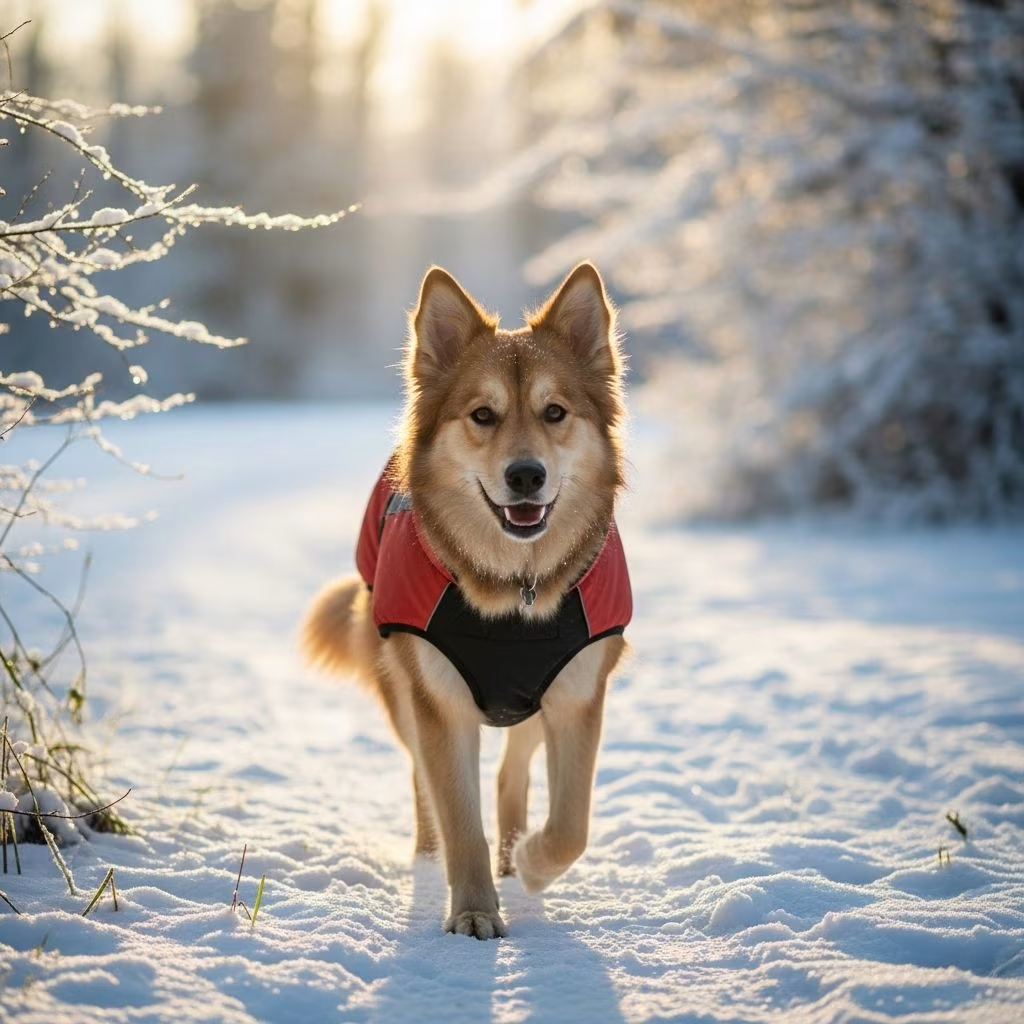
Dogs face significant risks in cold weather, with safe outdoor exposure varying by temperature, breed, size, age, and health. Most dogs tolerate temperatures above 45°F (7°C) well, but below 32°F (0°C), small, short-haired, puppies, seniors, or ill dogs need protection or limited time outside to avoid hypothermia and frostbite.
Factors Shaping a Dog’s Cold Tolerance
A dog’s ability to handle low temperatures depends on several key traits. Understanding these helps owners make informed decisions about outdoor activities during winter.
- Breed and Coat Type: Thick double-coated breeds like Siberian Huskies or Alaskan Malamutes thrive in frigid conditions due to their insulating fur. In contrast, short-haired breeds such as Greyhounds, Whippets, or Chihuahuas lose heat rapidly and feel cold faster.
- Size Matters: Small dogs have a higher surface-area-to-volume ratio, meaning they shed body heat quicker than larger breeds. This makes Chihuahuas or Dachshunds more vulnerable than Great Danes.
- Age and Health Status: Puppies lack sufficient body fat for insulation and struggle with temperature regulation. Senior dogs, underweight pets, or those with conditions like arthritis or heart disease cannot maintain warmth effectively.
- Acclimation and Conditioning: Dogs gradually exposed to cooler weather over time adapt better. A dog from a warm climate may shiver at 50°F (10°C), while a northern breed accustomed to snow handles it comfortably.
- Coat Color and Condition: Darker coats absorb sunlight for extra warmth on clear days. Neglected, matted fur reduces insulation, worsening cold sensitivity.
Temperature Guidelines for Outdoor Time
Veterinarians provide clear benchmarks for safe exposure. These account for wind chill, wetness, and activity level, as damp fur accelerates heat loss.
| Temperature Range (°F / °C) | General Safety Level | Recommendations for Vulnerable Dogs |
|---|---|---|
| Above 45°F (7°C) | Safe for most dogs | Normal walks okay; monitor short-haired pups |
| 32–45°F (0–7°C) | Okay for healthy adults | Coats for small/senior/short-haired; shorten walks |
| 20–32°F (-7–0°C) | Risky for many | Limit to potty breaks; protect paws; indoor preferred |
| Below 20°F (-7°C) | Dangerous | Minimal outdoor time; high hypothermia/frostbite risk |
| Below 0°F (-18°C) | Life-threatening | Keep indoors; no unsupervised outdoor access |
Wind chill can drop perceived temperatures by 10–20°F, making a 30°F day feel like 10°F. Wet snow or rain compounds risks, as water conducts heat away from the body 25 times faster than air.
Recognizing Cold Stress and Emergencies
Watch for early signs of discomfort to intervene promptly. Untreated cold exposure leads to serious conditions.
Warning Signs of Cold Exposure
- Shivering or trembling uncontrollably
- Lifting paws frequently or reluctance to walk
- Whining, anxiety, or seeking warmth
- Slowed movement or lethargy
- Pale gums, rapid breathing, or weakness
Hypothermia Stages and Symptoms
Hypothermia occurs when core body temperature falls below 99°F (37°C). Mild cases cause shivering; severe ones (below 90°F/32°C) bring disorientation, collapse, and organ failure.
| Stage | Core Temp | Symptoms | Actions |
|---|---|---|---|
| Mild | 99–95°F (37–35°C) | Shivering, discomfort | Warm gradually; dry off |
| Moderate | 95–90°F (35–32°C) | Stiffness, low heart rate | Vet care; warm fluids |
| Severe | Below 90°F (32°C) | Unconscious, coma risk | Emergency vet; do not rub |
Frostbite Risks
Frostbite affects ears, tail, paws, and scrotum due to reduced blood flow in extremes. Skin appears pale or gray, progressing to blisters. Thaw slowly with warm water; never use dry heat.
Proven Protection Strategies
Proactive steps minimize risks without eliminating exercise entirely.
- Insulated Clothing: Use well-fitted coats covering neck to tail base. Boots shield paws from ice melt chemicals and salt. Avoid overheating acclimated breeds.
- Short, Frequent Outings: Potty breaks under 10 minutes suffice. Shovel paths to reduce snow contact.
- Warm Indoor Environment: Maintain 68–72°F indoors. Provide orthopedic beds away from drafts. Heated mats for arthritis sufferers.
- Paw Care Routine: Wipe paws post-walk to remove irritants. Moisturize with vet-approved balms. Trim fur between pads.
- Hydration and Nutrition: Increase calories by 10–20% for outdoor dogs. Ensure unfrozen water via heated bowls.
Special Considerations by Breed and Lifestyle
Tailor care to your dog’s profile for optimal safety.
- Small Breeds (e.g., Chihuahua, Yorkie): Dress always below 45°F; indoor living ideal.
- Short-Haired (e.g., Labrador, Pit Bull): Coats mandatory under 40°F.
- Cold-Adapted (e.g., Husky, Bernese Mountain Dog): Monitor for overexertion; they may resist coats.
- Outdoor Workers (e.g., farm dogs): Insulated shelters with windbreaks, bedding, and heat sources if below 20°F.
Winter Exercise Alternatives
When outdoors is unsafe, indoor options keep dogs fit.
- Treadmill walking or flirt pole games.
- Puzzle toys and scent work indoors.
- Swimming in heated pools if available.
- Short indoor fetch with soft toys.
Gradually build tolerance with controlled exposure starting in fall.
Frequently Asked Questions
How long can my dog stay outside in 20°F weather?
Limit to 10–15 minutes for healthy adults; under 5 for vulnerable dogs. Monitor closely.
Do dogs need sweaters in 40°F?
Not most, but yes for small, thin-coated, or seniors.
Can my dog sleep outside in winter?
No, unless in a properly insulated shelter with acclimation—and even then, avoid below 20°F.
What if my dog gets wet in snow?
Dry immediately; wetness drops safe temps dramatically.
Are booties necessary?
Yes in sub-freezing with ice melt; protect from chemicals and cracks.
Long-Term Winter Wellness Plan
Prepare in advance: Vet checkups assess health risks; stock gear; train recall for quick returns. Track your dog’s responses to build a personalized guideline. Cold weather tests bonds—prioritize safety for joyful seasons.
References
- How Cold is Too Cold for Dogs? Dog Winter Safety Guide — Vets Now. 2023. https://www.vets-now.com/pet-care-advice/too-cold-for-dogs/
- Bundle Up, Pup: A Veterinarian’s Guide to Cold Weather Safety for Pets — South Hyland Animal Hospital. 2024. https://southhyland.com/bundle-up-pup-a-veterinarians-guide-to-cold-weather-safety-for-pets/
- How Cold is Too Cold for Your Dog? — Johnston Animal Hospital. 2023. https://johnstonanimal.com/how-cold-is-too-cold-for-your-dog/
- How Cold Is Too Cold for Your Dog? — PetMD. 2024-01-15. https://www.petmd.com/dog/care/how-cold-too-cold-dog
- Cold weather animal safety — American Veterinary Medical Association (AVMA). 2025. https://www.avma.org/resources-tools/pet-owners/petcare/cold-weather-animal-safety
- Winter safety tips — Cornell University College of Veterinary Medicine. 2024. https://www.vet.cornell.edu/departments-centers-and-institutes/riney-canine-health-center/canine-health-topics/winter-safety-tips
- How Cold is Too Cold for Dogs — Thrive Pet Healthcare. 2023. https://www.thrivepetcare.com/thrive-guide/how-cold-is-too-cold-for-dogs



