Safe Wing Trimming For Pet Birds: 6-Step Guide To Gentle Glides
Master the essentials of wing trimming to keep your feathered friend secure while preserving natural movement and health.
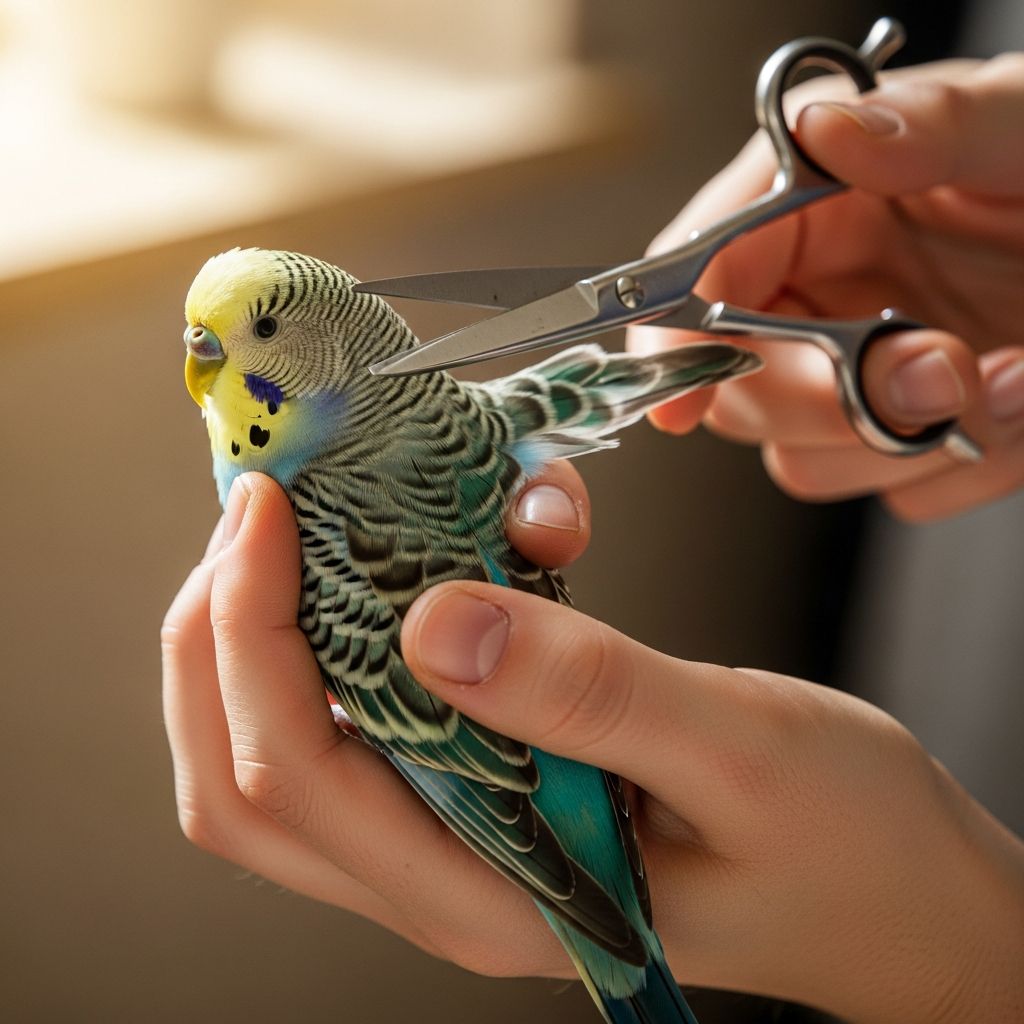
Safe Wing Trimming for Pet Birds
Proper wing trimming helps pet bird owners manage flight risks indoors and outdoors, allowing birds to flutter gently to the ground rather than crash or escape. This practice reduces injury potential while maintaining a bird’s balance and mobility when done correctly.
Understanding Wing Anatomy and Flight Feathers
Bird wings consist of primary feathers at the outer edge, which generate lift, and secondary feathers closer to the body that provide stability. Primary feathers are longer and more robust, molting faster due to their exposure in the wild. Trimming targets these primaries to limit powered flight without impairing gliding ability.
- Primary feathers: Outermost 5-6 feathers responsible for propulsion; clip halfway from base to tip.
- Secondary feathers: Inner feathers; avoid clipping to preserve balance.
- Blood feathers: New growth with visible blood vessels in the shaft; never cut as they bleed profusely.
Recognizing these distinctions prevents harm. Clear shafts indicate mature feathers safe for trimming, while pink or dark veins signal blood feathers.
Benefits and Drawbacks of Wing Trimming
Wing trimming offers safety advantages but comes with trade-offs. It prevents crashes from high perches, reduces escape risks during handling, and aids training by making birds less independent.
| Pros | Cons |
|---|---|
| Prevents falls and injuries | Requires regular maintenance due to molting |
| Facilitates handling and training | Birds may become more dependent or timid |
| Lowers flight-away risk indoors | Not foolproof outdoors (wind can carry birds) |
Owners should weigh these factors. Some birds adapt well, fluttering calmly, while others may show stress. Alternatives like flight harnesses suit outdoor time without permanent changes.
Essential Tools and Preparation
Gather sharp grooming scissors or hairdressing shears for clean cuts—dull blades tear feathers and cause irritation. Work in a well-lit area to spot blood feathers clearly. Have cornstarch or styptic powder ready for bleeding mishaps, plus a towel for gentle restraint.
- Choose quiet time when bird is calm.
- Enlist a helper: one holds, one clips.
- Test bird’s reaction with a short flight beforehand.
Consult an avian vet first for demonstration, especially for beginners.
Step-by-Step Wing Trimming Guide
Follow these precise steps for balanced results on both wings simultaneously to avoid spinning.
- Secure the bird: Wrap in a towel leaving wings accessible, holding gently to avoid wing bone fractures.
- Extend one wing: Grasp at the base, fan out feathers fully.
- Identify primaries: Locate the 5-6 longest outer feathers with clear shafts.
- Clip carefully: Cut halfway up each, from the 1st to 5th primary. Leave outermost 1-2 intact for cosmetics and protection if needed, but trim fully for small species like budgies.
- Repeat on other wing: Match lengths exactly.
- Test glide: Release from shoulder height; bird should flutter down controlled, not lift off.
Trim less initially; adjust if lift remains. Avoid secondaries or covert feathers near the body.
Handling Accidents and First Aid
Cutting a blood feather causes rapid bleeding. Stay calm: pinch shaft firmly for 2 full minutes to clot, applying cornstarch to the tip. If bleeding persists, seek vet care immediately—excessive loss leads to shock.
Ongoing Maintenance and Monitoring
Feathers regrow with each molt cycle, every 1-3 months. Inspect wings weekly: even 1-2 new primaries can restore flight. Perform test glides regularly, as molting varies by bird, species, and season.
- Small birds (budgies, cockatiels): Check monthly.
- Large parrots: May need less frequent trims.
- Post-molt: Re-trim promptly.
Track growth in a journal for patterns.
Species-Specific Considerations
Not all birds respond identically. Small species like finches need minimal clips to avoid falls, while robust parrots tolerate more. Consult species guides or vets for tailoring.
| Bird Type | Recommended Clip | Frequency |
|---|---|---|
| Budgies/Cockatiels | 5-6 primaries fully | Every 1-2 months |
| Conures/Parrots | 4-5 primaries halfway | Every 2-3 months |
| Finches | Minimal, 3 primaries | As needed |
Alternatives to Traditional Clipping
Full-flight enthusiasts use aviaries or harnesses for safe exercise. Temporary clips or no trimming suit committed owners with secure environments. Reassess periodically—circumstances change.
Common Mistakes to Avoid
- Clipping one wing only: Causes disorientation.
- Over-trimming: Leads to hard falls and injury.
- Ignoring blood feathers: Risky bleeding.
- Skipping tests: Assumes no flight capability.
- Dull tools: Ragged edges irritate skin.
FAQs
Is wing clipping painful for birds?
No, mature feathers lack nerves; it’s like trimming hair. Blood feathers hurt if cut.
Can clipped birds still fly away?
Unlikely indoors, but wind outdoors poses risks. Use harnesses.
How do I know if the trim is right?
Bird glides softly from height without gaining altitude.
Should I clip my new bird’s wings?
Assess environment; vet advice first.
What if my bird hates it?
Explore aviaries or professional grooming.
References
- Clipping Bird Wings: What to Know About Wing Trims — Best Friends Animal Society. 2023. https://bestfriends.org/pet-care-resources/clipping-bird-wings-what-know-about-wing-trims
- Wing Clipping — VCA Animal Hospitals. 2024-01-15. https://vcahospitals.com/know-your-pet/wing-clipping
- A Guide to Wing Clipping — Vetafarm (YouTube). 2022-05-10. https://www.youtube.com/watch?v=a8E0dAlz0iM
- How to Clip a Parrot’s Wings: Easy Steps! — YouTube. 2023-08-20. https://www.youtube.com/watch?v=O5mP6wrRXLI
- Wing Clipping Guide for Bird Owners — PetHelpful. 2024. https://pethelpful.com/birds/wing-clipping
Similar Articles








Read full bio of medha deb