

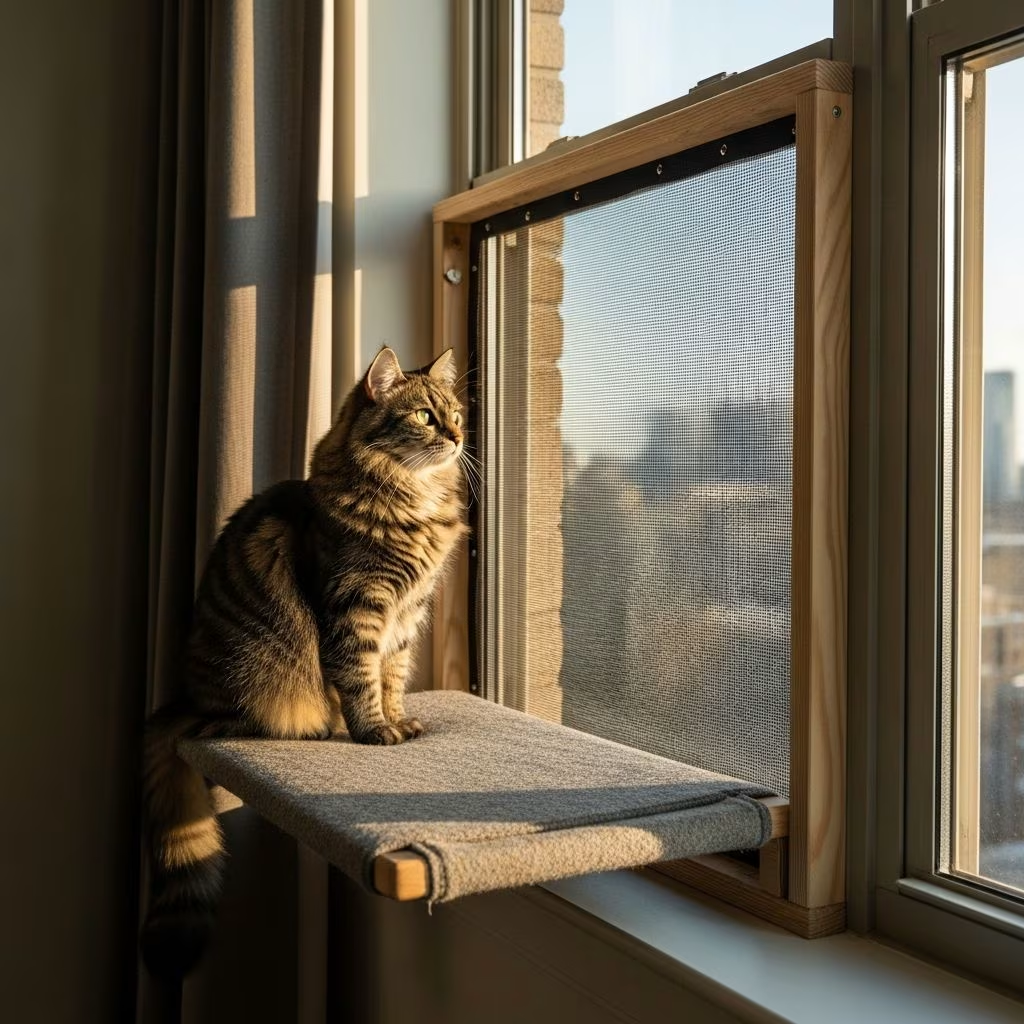
Indoor cats crave connection to the outside world, but open windows pose serious fall risks. DIY window guards and screen protectors offer an affordable way to secure these spaces, allowing fresh air and bird-watching without danger. These homemade solutions balance safety, ventilation, and feline enrichment effectively.
Why Cats Need Window Protection
Cats possess remarkable agility, yet they frequently misjudge heights, leading to devastating falls from windows. Organizations like the RSPCA report multiple incidents in short periods, highlighting the urgency for preventive measures. Distracted by play or prey, cats slip from ledges, suffering injuries or worse from even modest heights.
Keeping windows closed stifles natural instincts for exploration and territory monitoring, contributing to stress-related behaviors such as excessive meowing or furniture scratching. Secure barriers enable safe access to sunlight, scents, and sights, promoting mental health and reducing boredom in indoor environments.
Understanding Fall Risks and Prevention Basics
High-rise apartments amplify dangers, but ground-floor windows also tempt escapes or mishaps. Standard screens tear easily under clawing, failing to contain determined pets. Effective guards limit openings to under 4 inches (100mm), deterring passage while permitting airflow.
Key prevention principles include:
- Restricting sash or tilt openings mechanically.
- Reinforcing screens with durable meshes resistant to punctures.
- Ensuring installations withstand jumping impacts.
- Combining barriers with perches for supervised viewing.
These steps transform hazardous spots into enriching zones, fostering calmer, happier cats.
Materials for Durable DIY Cat Guards
Selecting robust, pet-proof materials ensures longevity and safety. PVC-coated fiberglass mesh, akin to high-quality insect netting, blocks cats and bugs while allowing breeze. Pair it with aluminum or steel frames for strength.
| Material | Benefits | Best For |
|---|---|---|
| PVC-Coated Fiberglass Mesh | Lightweight, tear-resistant, insect-proof | Full window covers |
| Heavy-Duty Metal Grilles | Impact-proof, permanent security | High-traffic windows |
| Steel Cable Restrictors | Adjustable limiters, override option | Sash and tilt windows |
| Polycarbonate Sheets | Clear visibility, shatter-resistant | Perch enclosures |
| Wooden Lattices | Customizable, aesthetic appeal | DIY frames |
Source hardware stores for these; prioritize rust-resistant options for humid areas. Tools needed: drill, screws, measuring tape, wire cutters, and adhesive for temporary fixes.
Step-by-Step: Building a Mesh Window Screen Protector
Create a removable full-coverage screen in under an hour using basic supplies.
- Measure Precisely: Record window dimensions, adding 2-3 inches overlap for secure fit.
- Cut Mesh: Trim PVC-coated fiberglass to size with utility knife.
- Build Frame: Assemble lightweight aluminum tubing into a rectangle using corner brackets.
- Attach Mesh:
- Install Hooks: Drill cup hooks into window frame; corresponding eyes on screen snap in place.
- Test Stability: Push and jump-simulate to confirm no give.
Secure with staples or spline roller along frame edges, pulling taut.
This design fits most casement or sliding windows, removable for cleaning. For UPVC frames, match hook colors to blend seamlessly.
Crafting Adjustable Window Opening Limiters
For sash windows, DIY restrictors prevent wide gaps without full screens.
Materials: Steel cables, eye bolts, turnbuckles, drill bits matching frame.
- Drill holes 4 inches apart near window top on frame and sash.
- Thread cable through bolts, securing with nuts.
- Attach turnbuckle for tension adjustment.
- Set limit to 100mm maximum; test override by loosening.
Such restrictors add burglary deterrence and suit all window types, including aluminum. Permanent versions use keyed locks for extra security.
Enhancing Safety with Custom Perches and Enclosures
Window perches satisfy curiosity safely, reducing pressure on barriers. Mount cushioned platforms securely to sills, supporting full body weight.
- Sill Extenders: Plywood bases with foam padding, screwed firmly.
- Suction-Cup Models: Reinforce with brackets for heavier cats.
- Garden Window Inserts: Mini greenhouses with mesh panels for plant-bird viewing.
Position perches below guards, avoiding blind cords. In multi-cat homes, install multiples at varying heights to prevent disputes.
Advanced DIY: Balcony and Catio Extensions
Extend safety outdoors with window-box catios—enclosed patios protruding from openings.
Construct using lumber frames, hardware cloth (1/4-inch mesh), and roofing for weatherproofing. Hinged doors allow access; anchor deeply to studs. These provide supervised fresh air, exercise, and hunting simulation without escape risks.
Portable versions use PVC pipes and netting for seasonal use, ideal for renters.
Installation Tips for Every Window Type
- Sliding Windows: Friction-fit wedges plus mesh overlays.
- Tilt-and-Turn: Cable limiters on hinges.
- Double-Hung: Bracket stops at safe heights.
- Fixed Panes: Interior grilles over glass.
Always verify attachments penetrate frames adequately; use toggle bolts for hollow walls.
Maintenance and Longevity Strategies
Inspect monthly for frays, loose screws, or mesh tears. Clean with mild soap; avoid pressure washers. Rotate perches seasonally for even wear. Upgrade to pet-grade screens if standard ones fail prematurely.
Monitor cat behavior—persistent clawing signals need for tougher materials or added distractions like toys.
Benefits Beyond Safety: Health and Happiness
Secure windows deliver natural light for circadian rhythm regulation, visual stimulation curbing destructive habits, and scent access mimicking outdoors. Combined with nearby scratchers and toys, they create holistic activity zones.
Common Mistakes to Avoid
- Oversized gaps exceeding 4 inches.
- Inadequate anchoring leading to collapses.
- Ignoring upper-floor vulnerabilities.
- Using flimsy insect screens as substitutes.
- Forgetting insect or allergen barriers.
FAQs
Can DIY guards work on rental properties?
Yes, opt for no-drill options like tension rods, suction hooks, or adhesive strips. Confirm with landlords.
How much do materials cost?
Basic mesh screens run $20-50 per window; restrictors under $15. Total for a home: $100-300.
Are these effective against jumping cats?
When properly installed, yes—tested to hold 50+ pounds of dynamic force.
What if my cat hates enclosed views?
Start small, use clear meshes, and pair with familiar perches for gradual adaptation.
Do they block airflow?
No, fine meshes permit 80-90% ventilation while securing safety.
Comparing DIY vs. Commercial Options
| Aspect | DIY | Commercial (e.g., Flat Cats) |
|---|---|---|
| Cost | $20-50/window | $40-80/window |
| Customization | High | Standard sizes |
| Install Time | 30-60 min | 5-10 min |
| Durability | Good (with quality materials) | Excellent |
| Aesthetics | Variable | Discreet |
DIY shines for budgets and fits; buy pre-made for speed.
References
- Cat proofing windows for pet safety — Jackloc. 2023. https://www.jackloc.com/cat-proofing-windows-for-pet-safety/
- Benefits of Window Perches for Your Cats — The Refined Feline. 2024. https://www.therefinedfeline.com/benefits-of-window-perches-for-your-cats/
- What are Flat cats – Window Protection for Cats — Flat Cats UK. 2023. https://www.flatcats.co.uk/window-protection-what-are-flat-cats.php
- Flat Cats Window Protection Screens for Cats USA — Flat Cats USA. 2024. https://www.flat-cats-usa.com
- Pet-Proof Your Windows: Complete Guide for Dog and Cat Owners — Thompson Creek. 2025. https://www.thompsoncreek.com/blog/pet-proof-windows/



