Safe Wildlife Watching: Essential Tips For Responsible Viewing
Master ethical practices to observe animals in their natural habitats without causing harm or risking your safety.
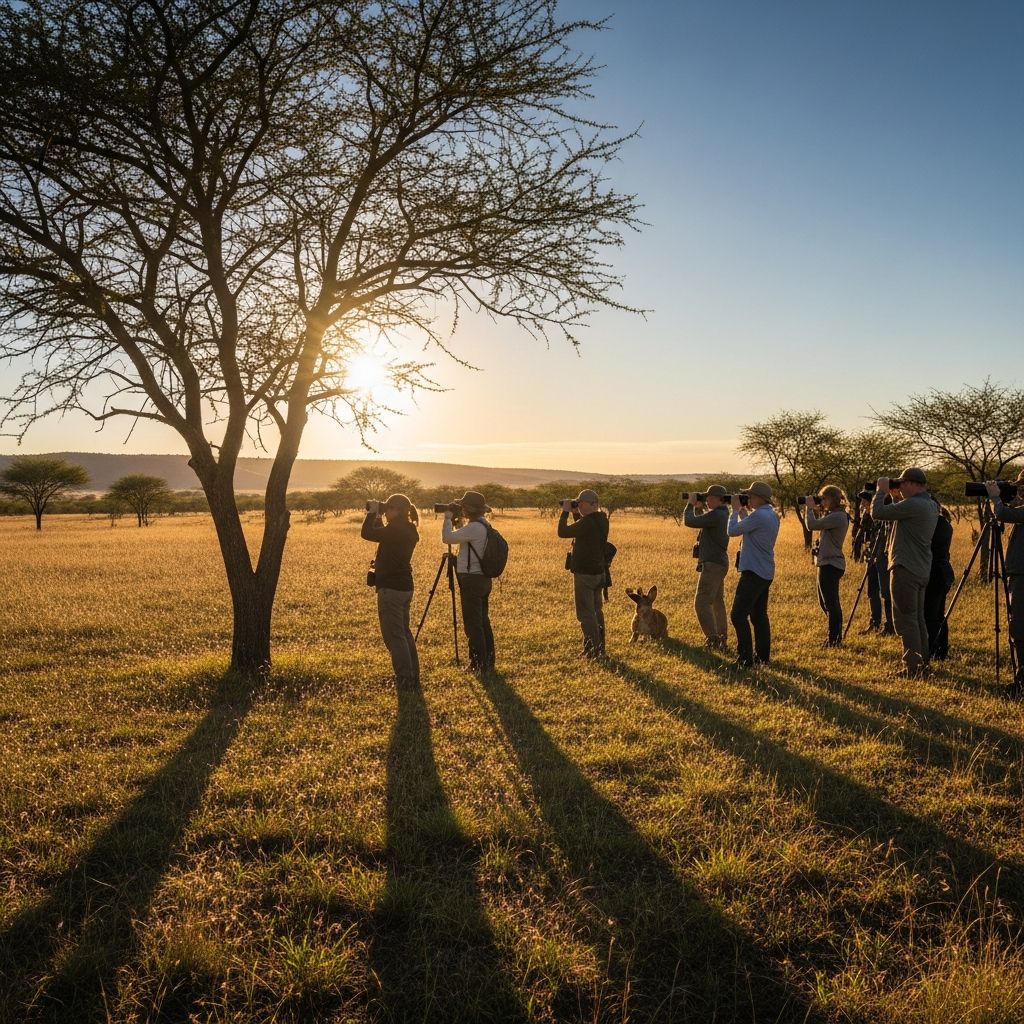
Safe Wildlife Watching Guide
Observing animals in their natural environments offers profound insights into the wild, but it demands respect for both the creatures and their habitats. Proper techniques minimize disturbances, prevent injuries, and preserve ecosystems for future generations. This guide outlines practical steps drawn from authoritative sources to ensure your encounters remain safe and enriching.
Preparation Before Heading Out
Success in wildlife viewing starts with thorough planning. Research the specific location’s regulations to understand unique requirements, such as minimum approach distances or restricted zones. National parks often mandate 25 yards from most animals and 100 yards from predators like bears or wolves. Apps, websites, or ranger consultations provide up-to-date details tailored to areas like Olympic National Park, which enforces 50-yard separations.
Pack essentials including binoculars, zoom lenses, and sturdy footwear. Disable camera flashes to avoid startling sensitive species. Check weather, trail conditions, and seasonal animal behaviors, such as nesting periods, to time visits appropriately. Informed preparation reduces risks and enhances observation quality.
Maintaining Safe Distances
Distance is the cornerstone of safe viewing. General rules recommend 25 yards (about two bus lengths) from bison, elk, or birds, escalating to 100 yards for bears, wolves, or big cats. Use the “rule of thumb”: extend your arm, make a thumbs-up—if your thumb covers the entire animal, you’re sufficiently distant.
Signs of distress indicate proximity issues: head-bobbing in birds, chuffing in seals, or rapid directional changes in whales. If animals alter behavior—gazing at you, fleeing, or vocalizing—increase separation immediately. Zoom lenses allow close-up captures without intrusion.
| Animal Type | Recommended Distance | Signs of Distress |
|---|---|---|
| Bears, Wolves | 100 yards | Approach or charge |
| Bison, Elk | 25-50 yards | Staring, turning away |
| Birds, Small Mammals | 25 yards | Head-bobbing, fleeing nest |
| Marine Mammals | 100 yards | Prolonged diving, bubbles |
Avoiding Disturbances and Interactions
Never touch, feed, or provoke wildlife—it’s illegal and dangerous. Such actions spread diseases, alter natural behaviors, and lead to habituation, increasing poaching risks. Stay on designated paths to concentrate human impact and protect fragile nests or burrows.
- Refrain from calls, whistles, or imitations that lure animals.
- Avoid stepping on hidden nests in beaches or cliffs.
- Do not relocate tortoises or alligators unless imminent peril exists, as it causes dehydration or stress.
Quiet observation yields authentic glimpses of foraging or mating rituals without interference.
Managing Pets and Groups
Pets unsettle wildlife, even friendly ones—keep dogs leashed (typically 6 feet max) and clean up waste. Verify pet policies; many sanctuaries and beaches prohibit them. Vaccinate pets and maintain distance to prevent disease transmission or attacks.
In groups, designate a leader to monitor distances. Crowds can trap animals, prompting panic. Spread out or rotate positions rather than encircling subjects. Parents should lift children during close encounters to appear larger and less vulnerable.
Vehicle Safety on Roads
Roads bisect habitats, making vehicle strikes a top threat. Adhere to speed limits, scan ahead, and brake for crossing animals. Stop only in pullouts, never blocking traffic or forcing wildlife onto asphalt.
Dawn and dusk heighten activity—drive cautiously then. In parks, yield to animals’ right-of-way; patience prevents collisions with darting deer or bison herds.
Food and Waste Protocols
Secure food to deter attractants. Use bear-proof containers or vehicle storage as per site rules. Dispose of trash in sealed bins; pack out what bins lack. Scents draw predators, habituating them to humans and endangering campers.
Avoid white-soled shoes near sea turtle hatchlings, as they mimic moonlight and disorient newborns.
Recognizing and Responding to Threats
Most wildlife avoids humans, but surprises occur. For mountain lions, make yourself big: raise arms, yell, throw rocks. Fight back if attacked. Report aggressive incidents to rangers immediately.
Observe from elevated platforms or blinds where available, reducing your profile. In marine areas, vessel operators must cut engines near whales to prevent propeller injuries.
Ethical Choices in Wildlife Tourism
Opt for accredited sanctuaries over exploitative venues. Seek species-appropriate habitats, no-contact policies, and education-focused tours. Shun selfies, petting zoos, or rides—these stress animals and fuel illegal trade.
Support conservation via donations or volunteering, amplifying your impact beyond single visits.
Seasonal and Habitat-Specific Advice
Adapt to environments: in forests, watch for cubs; deserts demand hydration vigilance; coasts require tide awareness. Breeding seasons amplify sensitivities—extra caution around mothers protects young.
Birdwatchers note raptor cliffs; marine viewers track migration paths via apps.
Frequently Asked Questions
What if wildlife approaches me?
Back away slowly without turning; do not run. Use optics for views.
Is it okay to use drones for filming?
Often prohibited; they harass nesting birds and violate airspace rules.
How do I handle trash in remote areas?
Carry it out—leave no trace principles apply universally.
What’s the best time for sightings?
Early morning or late afternoon, aligning with animal activity peaks.
Can children participate safely?
Yes, with supervision, education on distances, and quiet behavior.
References
- 7 Ways to Safely Watch Wildlife — National Park Service. 2023. https://www.nps.gov/subjects/watchingwildlife/7ways.htm
- Top 8 Tips for Safe Wildlife Viewing — Earth Rangers. 2022. https://www.earthrangers.com/EN/US/top-10/top-8-tips-for-safe-wildlife-viewing/
- 10 Tips to Respect Wildlife, Stay Safe and Avoid Internet Ridicule — National Parks Conservation Association. 2021. https://www.npca.org/articles/1267-10-tips-to-respect-wildlife-stay-safe-and-avoid-internet-ridicule
- Wildlife Viewing Guidelines — NOAA National Marine Sanctuaries. 2024. https://sanctuaries.noaa.gov/wildlife-viewing/
- Wildlife Viewing Safety Tips — Friends of the Ridgefield National Wildlife Refuge. 2023. https://ridgefieldfriends.org/wildlife-safety/
- How to Observe Wildlife Responsibly — Lions Tigers & Bears. 2024. https://www.lionstigersandbears.org/how-to-observe-wildlife-responsibly-tips-for-ethical-animal-encounters/
Similar Articles








Read full bio of Sneha Tete