

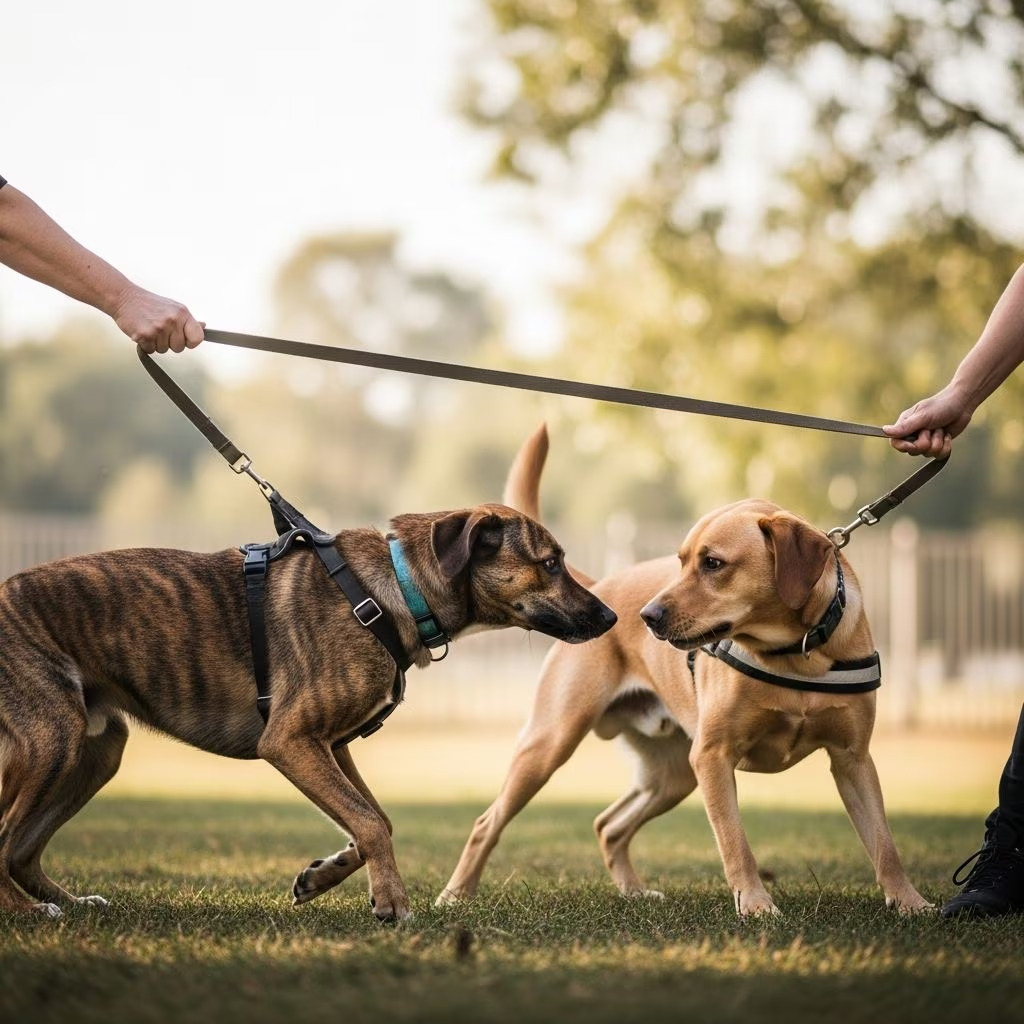
Dog fights can erupt suddenly, posing risks to pets and owners alike. Knowing how to intervene effectively minimizes injuries and ensures safety. This guide outlines practical, tested approaches drawn from animal welfare experts and trainers.
Recognizing the Start of a Dog Altercation
Early detection allows for prevention before physical contact. Watch for warning signs like stiff postures, intense staring, raised hackles, or growling. These cues signal rising tension that can escalate rapidly.
- Body language alerts: Ears pinned back, tail held rigid high or low, lips curled to expose teeth.
- Vocal indicators: Low growls escalating to snaps or barks.
- Proximity issues: Dogs circling or leaning into each other aggressively.
Addressing these promptly through calm commands or distance can avert fights entirely.
Immediate Interruption Strategies
When a fight begins, quick action disrupts focus. Start with non-physical methods to avoid bites.
Noise Distractions
Loud, sudden sounds startle dogs out of their aggression. Clap hands sharply, yell commands like “No!”, or use a whistle. This works best in early stages, giving time to separate them.
Water and Spray Tactics
Splash water from a hose, bottle, or puddle to shock the dogs. Citronella sprays offer a safe deterrent, breaking concentration without harm. Always follow with separation to prevent re-engagement.
| Method | Tools Needed | Best For |
|---|---|---|
| Noise | Hands, whistle | Early interruptions |
| Water Spray | Bottle, hose | Mid-level fights |
| Citronella | Spray canister | Quick disengagement |
Physical Separation Techniques
If distractions fail, use hands-on methods cautiously. Prioritize safety for all involved.
Barrier Deployment
Insert objects between dogs to block vision and contact. Backpacks, chairs, umbrellas, or vehicles create instant shields. For small dogs, lift to high ground like a car hood or bench.
- Available barriers: Trees, mailboxes, trash cans.
- Tip: Position yourself safely while placing the item.
The Wheelbarrow Method
This two-person technique is highly effective. Each handler grabs one dog’s hind legs at the hip joint, lifts like a wheelbarrow, and pulls backward. Then, circle slowly to disorient and prevent turning.
- Approach from behind.
- Grip legs firmly, lift off ground.
- Back away while rotating in wide arcs.
- Confine one dog before release.
Solo version: Target the aggressor dog only if experienced, but risk redirection bites.
Leash Management
Shorten leashes for control. In emergencies, swing an unclipped leash like a windmill for a temporary barrier. Use extra leashes as slip leads around necks, avoiding collars to prevent chokes.
Handling Lone Interventions
Alone against multiple dogs? Prioritize your dog’s safety. Pick up small pets to elevated spots. Distract aggressors with thrown treats or objects, then retreat. Avoid direct grabs unless trained.
Post-Fight Protocols
After separation, assess damage immediately. Check for puncture wounds, bleeding, or limping. Clean minor injuries with saline; seek veterinary care for deep bites. Prevent licking by using cones.
- Monitor for shock: Pale gums, rapid breathing.
- Separate dogs permanently until professional evaluation.
- Administer meds as prescribed; keep wounds dry.
Prevention Through Management
Proactive steps reduce fight risks. Maintain short leashes in public, avoid high-stimulation areas, and supervise multi-dog homes closely.
| Risk Factor | Prevention Tip |
|---|---|
| Off-leash parks | Use fenced private yards |
| Resource guarding | Feed separately |
| Intact dogs | Spay/neuter early |
Advanced Tools and Training
For chronic aggressors, consider remote collars with timed stimulation for early warnings, not during fights. Consult certified trainers. Air horns or ultrasonic devices provide reliable interruptions.
Common Mistakes to Avoid
Grabbing collars risks severe bites. Yanking leashes during fights escalates. Never place hands near faces. Panic shouting prolongs adrenaline.
- Don’t: Pull apart frontally.
- Do: Work from rear, use teams.
Legal and Ethical Considerations
Check local laws on sprays or deterrents. Prioritize humane methods. Report repeated aggressors to authorities for public safety.
Frequently Asked Questions
What if one dog is much larger?
Protect the smaller by elevating immediately. Use barriers aggressively.
Can pepper spray help?
Avoid; it may worsen aggression. Stick to water or citronella.
How to train against future fights?
Desensitization with professionals; never force interactions.
What about pit bull breeds?
Same techniques apply; breaking sticks for jaws in extremes, per vets.
When to call professionals?
Any injury or repeated incidents require behaviorists.
References
- Dog fights: How to prevent them and how to break them up — BC SPCA. 2023. https://spca.bc.ca/news/dog-fights-how-to-prevent-them-and-how-to-break-them-up/
- How to Stop a Dog Fight- Behavior Triage Blog Series — Wise Mind Canine. 2022. https://wisemindcanine.com/blog/stop-a-dog-fight-behavior-triage/
- Breaking Up a Dog Fight — Puppy Stars. 2023. https://www.puppystars.co.uk/blog-post/breaking-up-a-dog-fight-/
- How to Break Up a Dog Fight Without Getting Hurt — Leerburg. 2021. https://leerburg.com/dogfight.htm
- How to Avoid Fights Between Dogs — Washington PA Shelter. 2015. https://washingtonpashelter.org/wp-content/uploads/2015/04/Stopping-and-Avoiding-a-Dog-Fight.pdf
- Dog Fight Wounds: Treatment Tips — Emergency Veterinary Care Centers. 2024. https://evcc.com/blog/dog-fight-wounds/
(Word count: 1678)



