
Safe Waters for Dogs: Essential Swimming Guide
Master water adventures with your dog through vital safety strategies for pools, lakes, rivers, and oceans to prevent risks and ensure joyful splashes.
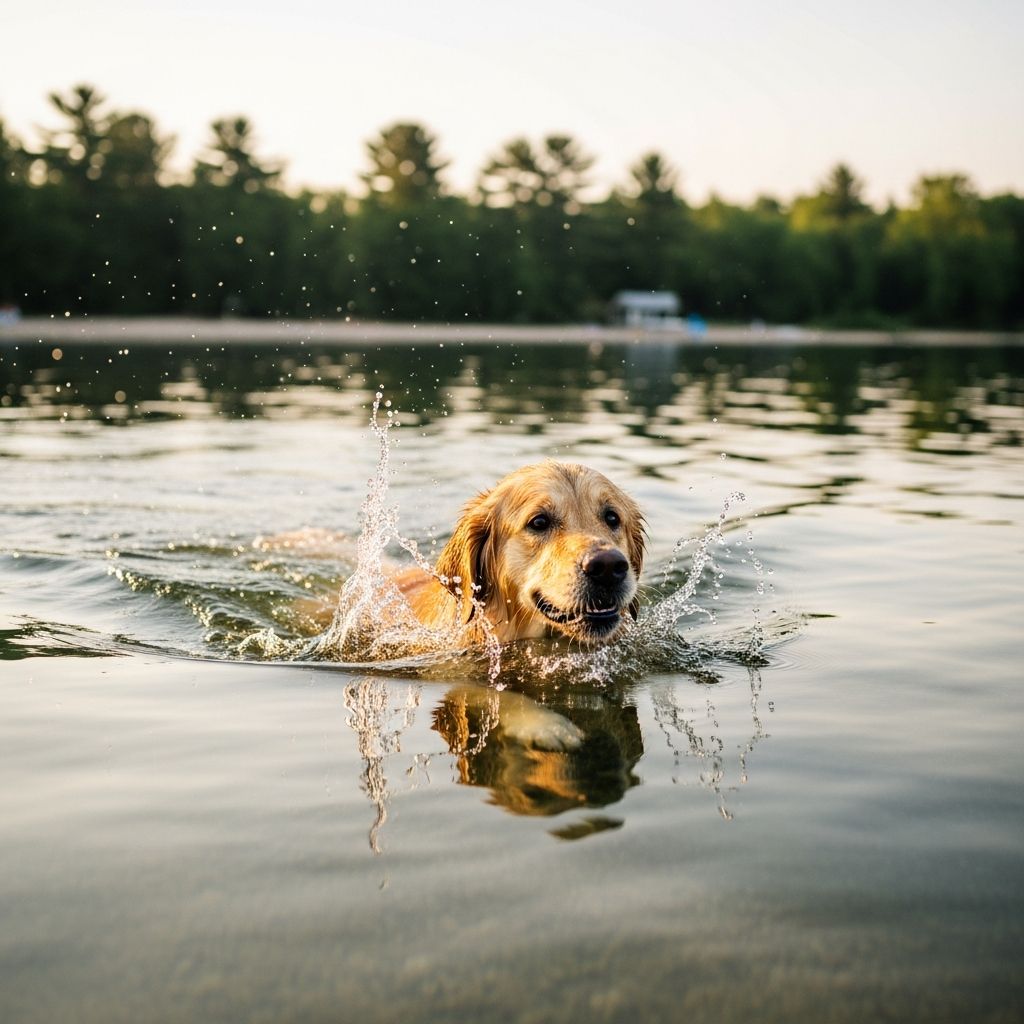
Swimming offers dogs excellent exercise, mental stimulation, and bonding time with owners, but natural and artificial waters present unique hazards. Proper preparation transforms potential dangers into enjoyable outings across pools, serene lakes, flowing rivers, and vast oceans. This guide equips pet owners with actionable strategies to safeguard their companions during aquatic activities.
Understanding Breed-Specific Swimming Abilities
Not every dog is a natural swimmer; physical traits heavily influence water proficiency. Breeds with short legs, stocky builds, or flat faces—like bulldogs, pugs, boxers, and corgis—struggle to stay afloat due to poor buoyancy and quick fatigue. These brachycephalic breeds require extra support to avoid exhaustion or submersion.
Conversely, athletic breeds such as Labrador Retrievers and Portuguese Water Dogs excel in water, thanks to webbed feet and streamlined bodies. Puppies and senior dogs also tire rapidly, demanding vigilant oversight regardless of breed. Assess your dog’s aptitude early: observe their paddling form, endurance, and comfort level in shallow areas before advancing to deeper waters.
- Evaluate body structure: Long bodies and strong legs aid propulsion; short limbs hinder it.
- Test in controlled settings: Start with bathtubs or shallow kiddie pools.
- Consult veterinarians: Pre-swim health checks reveal underlying issues like joint problems.
Essential Gear for Canine Water Safety
Investing in proper equipment mitigates risks significantly. A well-fitted dog life jacket provides buoyancy for all dogs, especially novices, brachycephalic types, or those boating. Select vests with multiple handles for easy retrieval and a collar attachment for leashes.
| Gear Type | Best For | Key Features |
|---|---|---|
| Life Jacket | Open water, boats, weak swimmers | Handle top, neck support, reflective strips |
| Pool Ramp/Steps | Home pools | Non-slip surface, easy-climb angle |
| Protective Boots | Lakes/rivers with rocks | Durable sole, waterproof material |
| Fresh Water Bottle | All environments | Portable, spill-proof |
Pool owners should install fences or covers to prevent unsupervised access, alongside ramps for safe entry/exit. For natural waters, boots shield paws from jagged rocks or hot sand.
Preparation Steps Before Hitting the Water
Begin with a veterinary consultation to confirm vaccinations, particularly against leptospirosis, transmitted via contaminated waters. Ensure your dog is parasite-free and physically fit for exertion.
Desensitize reluctant swimmers gradually: use positive reinforcement with treats in shallow, calm waters. Short sessions build confidence without overwhelming them. Teach reliable recall commands for emergencies, and practice exiting water unassisted—crucial for pools or docks.
Navigating Different Water Environments
Controlled Pool Settings
Backyard or public pools offer predictable conditions with clear visibility and stable depths. Introduce dogs at the shallow end, using ramps to avoid jumps that could cause injury. Chlorinated water irritates skin and eyes, so limit exposure and rinse thoroughly post-swim.
- Supervise constantly: Fatigue strikes quickly.
- Provide shade and breaks: Overheating occurs even in water.
- Secure chemicals: Keep pool supplies inaccessible.
Tranquil Lakes and Ponds
Lakes appeal with gentle laps but hide drop-offs, weeds, and underwater obstacles. Leash initially, scanning for hazards like blue-green algae blooms, which are toxic. Protective footwear prevents cuts from debris.
Dynamic Rivers and Currents
Rivers demand utmost caution due to swift flows, hidden snags, and variable depths. Avoid areas with strong currents; enter only where water moves slowly. Life jackets are non-negotiable here, as even strong swimmers falter against forces.
Vast Oceans and Beaches
Ocean swims thrill with waves but riptides, jellyfish, and steep drop-offs pose severe threats. Heed beach flags warning of hazards, stay near shore, and watch for marine life. Saltwater dehydrates; offer fresh water frequently.
Supervision and Real-Time Monitoring
Constant vigilance is paramount—never turn away, even for strong swimmers, as cramps or distractions lead to trouble. Monitor for exhaustion signs: heavy panting, slowed strokes, head bobbing, or attempts to climb on you.
Frequent breaks prevent overexertion; swimming rivals intense workouts. Note environmental factors: cold water below 60°F risks hypothermia, while hot conditions above 75°F spur overheating.
Post-Swim Care and Health Maintenance
Rinse dogs immediately to remove chlorine, salt, or contaminants that dry skin or cause itching. Dry ears meticulously with cotton balls to avert infections—symptoms include odor, redness, and head shaking.
Encourage fresh water intake to flush ingested pollutants and prevent dehydration. Inspect for injuries like paw cuts or jellyfish stings, applying vet-recommended treatments.
Boating and Watercraft Adventures
Dogs on boats need life jackets at all times, with nighttime confinement to avoid overboard falls in darkness. Teach boarding/exiting routines and motion sickness remedies if prone.
Frequently Asked Questions (FAQs)
Do all dogs need life jackets?
Yes, particularly brachycephalic breeds, puppies, seniors, and open-water scenarios. They provide peace of mind and quick rescue capability.
How do I know if my dog is tired while swimming?
Watch for labored breathing, erratic paddling, or clinging behaviors. Enforce breaks every 10-15 minutes.
Can swimming cause ear infections?
Absolutely; trapped moisture breeds bacteria. Dry ears thoroughly post-swim.
Is ocean water safe for dogs?
In moderation, with supervision. Avoid rough surf and rinse salt to prevent GI upset.
What if my dog hates water?
Don’t force it—respect their comfort. Alternatives like gentle walks suffice for exercise.
Common Mistakes to Avoid
- Assuming instinct equals skill: Many dogs sink without aid.
- Ignoring water quality: Stagnant or polluted areas harbor leptospirosis.
- Skipping rinses: Leads to dermatitis or infections.
- Overlooking fences: Unsupervised pool access causes drownings.
References
- The Dos and Don’ts of Dog Water Safety — VCA Animal Hospitals. 2023. https://vcahospitals.com/resources/lifestyle-dog/hazards-safety/the-dos-and-don-ts-of-dog-water-safety
- Dog Swimming Safety Tips — Coronado Veterinary Hospital (NadoVet). 2024. https://nadovet.com/blog/dog-swimming/
- Entering the Canine Splash Zone: Water Safety Tips for Dogs — Coastal Pet. 2023. https://www.coastalpet.com/blog/entering-the-canine-splash-zone-water-safety-tips-for-dogs/
- 5 Tips for Dog Swimming Safety — Animal Rescue League of Boston. 2024. https://www.arlboston.org/dog-swimming-safety-5-tips/
- 7 Pool Safety Tips for Dogs — PetMD. 2024-01-15. https://www.petmd.com/dog/general-health/pool-safety-tips-for-dogs
- Dive In: The Ultimate Guide to Dog Swimming Pools and Swim Safety — Skout’s Honor. 2023. https://www.skoutshonor.com/blogs/updates/dive-in-the-ultimate-guide-to-dog-swimming-pools-and-swim-safety
Similar Articles








Read full bio of Sneha Tete




