

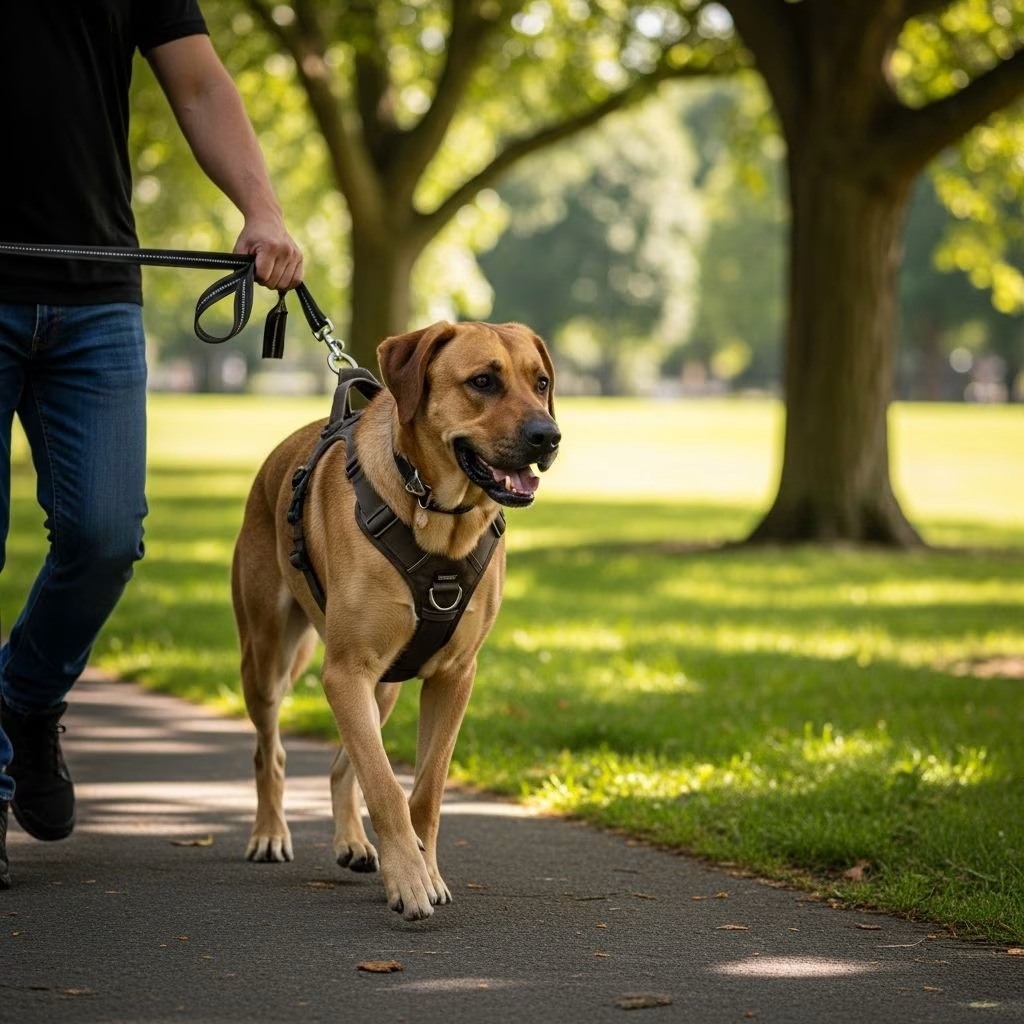
Large dogs offer immense joy and companionship, but their size and strength demand careful preparation for walks to prevent injuries and ensure enjoyable experiences. This guide draws on veterinary and expert insights to equip owners with practical strategies for safe outings.
Why Special Care Matters for Big Breed Walks
Powerful breeds like Mastiffs, Great Danes, or Rottweilers can weigh over 100 pounds, making walks potentially overwhelming if not managed properly. Their enthusiasm often leads to pulling, which strains both the dog’s joints and the owner’s body. Proper techniques reduce risks such as tracheal damage, shoulder injuries, or escapes, promoting healthier exercise routines.
Consider factors like age, breed-specific energy levels, and health conditions. Puppies under two years need joint protection, while seniors may require shorter distances. Consulting a veterinarian helps tailor walks to individual needs, ensuring skeletal maturity isn’t compromised in young dogs.
Selecting the Right Gear for Control and Comfort
Choosing durable, well-fitted equipment is foundational for safe walks. Standard collars can harm necks during pulls, so opt for alternatives that distribute pressure evenly.
- Harnesses: Front-clip designs redirect pulling forward, giving better steering without neck strain. Ensure two fingers fit between the harness and body for security and comfort.
- Leashes: Heavy-duty, 4-8 foot non-retractable leashes provide control. Avoid extendables, as they foster pulling and reduce stopping power.
- Head Halters: For strong pullers, these gently guide via the muzzle, mimicking pack leadership without pain.
Always carry waste bags, water, treats for positive reinforcement, and check gear before each outing. For overweight dogs, harnesses prevent breathing issues from collar pressure.
Mastering Leash Training from the Basics
Training builds reliable walking habits, preventing overpowering surges. Begin indoors for low distraction.
- Reward calm standing beside you without a leash using high-value treats and praise.
- Attach the leash for short indoor sessions, rewarding side-by-side positioning.
- Progress outdoors: short block loops, rewarding heel position. Gradually extend distance, add turns, stops, and starts.
- Incorporate recall: Use “come” command, rewarding responses, then practice in parks amid distractions.
Consistency is key; sessions of 5-10 minutes daily yield results in weeks. Group classes or professional trainers accelerate progress for reactive dogs.
Strategies to Curb Pulling Behaviors
Pulling signals impatience; don’t reward it by advancing. Effective counters include:
- Stop immediately when tension occurs, resuming only on slack.
- Turn 180 degrees and walk opposite, luring with treats to follow.
- Use a consistent cue like “easy” paired with rewards for loose leash.
For persistent cases, consult certified behaviorists. Avoid aversive tools like choke chains, which risk injury.
Planning Routes That Suit Your Dog’s Profile
Route selection matches your dog’s temperament and fitness. Quiet trails minimize triggers for reactive pups, while dog parks offer off-leash relief in fenced large-breed zones.
| Dog Profile | Ideal Route Type | Distance Guideline |
|---|---|---|
| Energetic Young Adult | Parks, trails | 1-2 miles |
| Senior or Overweight | Flat paths, grass | 0.5-1 mile |
| Reactive to Traffic | Secluded woods | Short loops |
Build endurance gradually: Start with 15-minute brisk walks, cooling down afterward. Monitor for fatigue, limping, or heavy breathing, and adjust. Obey local leash laws and clean up responsibly.
Handling Multiple Dogs or Emergency Lifts
Walking one large dog at a time allows full focus, especially for pullers or those with prey drive. If unavoidable, pair similar sizes (e.g., no 50lb with under 25lb) and ensure familiarity.
For carrying injured dogs: Support chest and hindquarters with a towel sling, avoiding back strain—seek help for dogs over 50 pounds. Rush to veterinary care immediately.
Health Monitoring During and After Walks
Watch for overheating (panting, drooling), paw pad wear, or lameness. Provide water breaks, walk during cooler times, and use booties on hot pavement. Post-walk, inspect for ticks or injuries. Wash hands, shoes, and clothes to prevent disease spread, especially with multiple dogs.
Common Myths About Walking Large Breeds
- Myth: Retractable leashes are safer. *Reality:* They encourage pulling and fail under sudden lunges.
- Myth: All big dogs need long walks. *Reality:* Tailor to age/health; short, intense sessions suffice for some.
- Myth: Collars work fine for control. *Reality:* Harnesses prevent neck injuries better.
FAQs
What if my large dog suddenly pulls hard?
Plant feet firmly, stop moving, and wait for slack before proceeding. Practice turning directions to regain control without force.
Can I walk two big dogs together?
Avoid unless experienced and dogs are well-matched in size/behavior. One at a time is safest.
How often should I walk my large breed?
Aim for 30-60 minutes daily, split if needed, adjusting for weather, health, and energy.
Best time of day for big dog walks?
Early morning or evening to avoid heat; cooler temps protect joints and paws.
What treats work for training during walks?
Small, soft pieces like chicken bits—high value but easy to chew on the move.
References
- Walking Big Dogs: Leash Training and Safety Tips — TrustedHousesitters. 2023. https://www.trustedhousesitters.com/blog/pets/how-to-walk-a-big-dog/
- Walking Big Dogs Safely: Expert Tips — Hill’s Pet. 2023. https://www.hillspet.com/dog-care/play-exercise/walking-big-dogs-safely
- How to Take Bigger Dogs for Walks Safely — Scout for Pets. 2023. https://www.scoutforpets.com/post/how-to-take-bigger-dogs-for-walks
- Walking for Weight Loss: Tips for Overweight Dogs — PetMD. 2024. https://www.petmd.com/walking-weight-loss-tips-overweight-dogs
- Walking with Your Dog — American Veterinary Medical Association (AVMA). 2023-10-01. https://www.avma.org/resources-tools/pet-owners/petcare/walking-your-pet



