

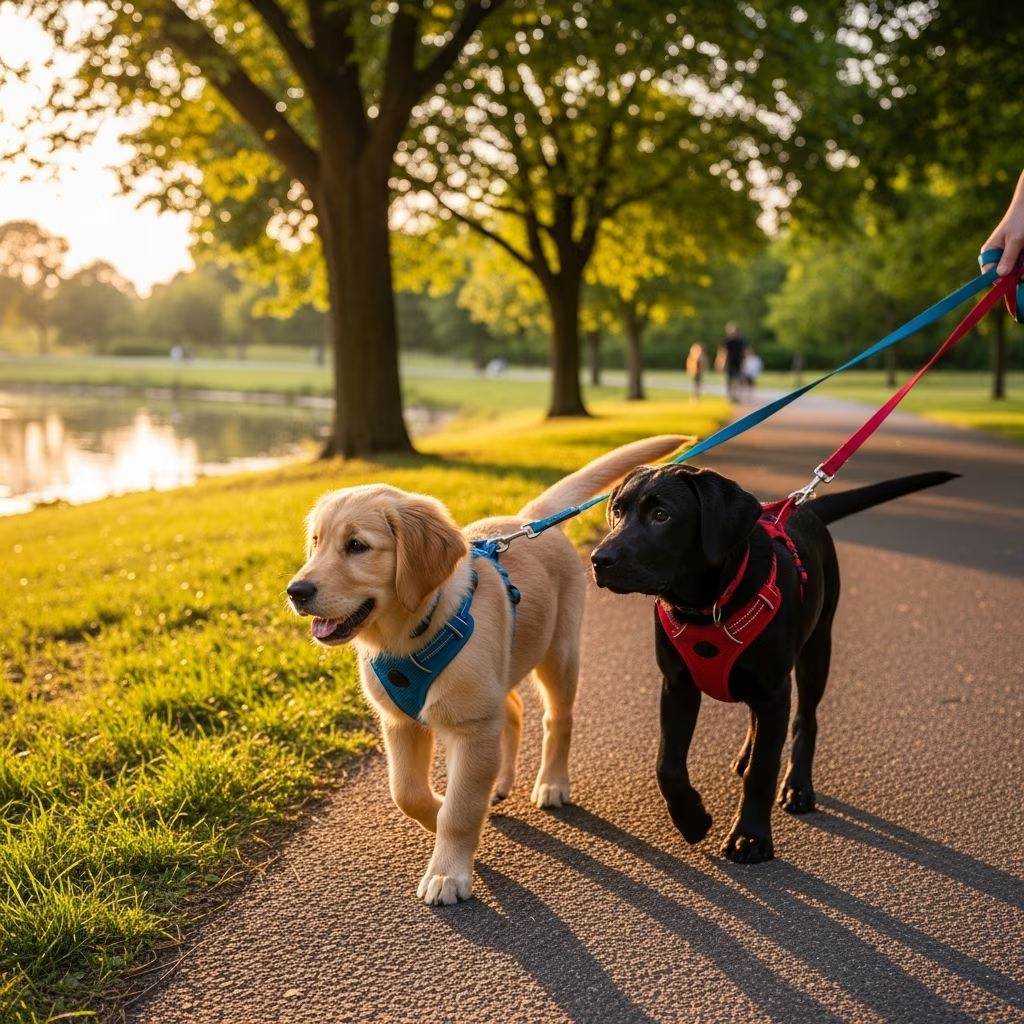
Determining the right walking distance for your puppy is crucial to support healthy development while preventing long-term joint issues. Puppies have growing bones and cartilage that can be damaged by excessive exercise, so guidelines emphasize short, frequent outings tailored to age and breed.
Understanding Puppy Growth Stages and Exercise Needs
Puppies undergo rapid skeletal development, particularly in the first year, making them vulnerable to overuse injuries. Veterinary recommendations stress limiting high-impact activities to allow proper maturation of joints and ligaments.
- From 8 to 12 weeks, focus on gentle exploration rather than structured walks to build confidence without strain.
- Between 3 and 6 months, introduce brief leashed walks on soft surfaces to encourage muscle tone.
- After 6 months, gradually increase duration as growth plates begin to close, but monitor for signs of fatigue.
Large and giant breeds, such as Labradors or Great Danes, require even more caution due to slower maturation rates, often extending restrictions until 18-24 months.
Age-Based Walking Guidelines
A common veterinary formula suggests five minutes of walking per month of age, up to twice daily. This provides a starting point but should be adjusted based on individual puppy energy levels and veterinary advice.
| Age | Recommended Walk Duration (per session) | Frequency | Notes |
|---|---|---|---|
| 2-3 months | 5-10 minutes | 2-3 times/day | Short potty breaks; avoid hard surfaces. |
| 4-6 months | 15-20 minutes | 2 times/day | Incorporate play; watch for limping. |
| 7-12 months | 20-30 minutes | 1-2 times/day | Transition to adult routines for small breeds. |
| Over 12 months | 30-45 minutes | Daily | Full adult exercise for most breeds. |
These durations prioritize joint health, drawing from guidelines by organizations like the American Veterinary Medical Association (AVMA), which advocate building exercise gradually.
Breed-Specific Considerations for Walks
Not all puppies develop at the same pace. Small breeds like Chihuahuas may handle slightly longer walks earlier, while larger ones need extended protection.
- Small breeds (under 20 lbs): Can often reach adult walking levels by 9-12 months.
- Medium breeds (20-50 lbs): Limit to guideline formula until 12-15 months.
- Large/giant breeds (over 50 lbs): Restrict structured walks until 18-24 months; opt for free play in safe areas.
Breeds prone to hip dysplasia, such as German Shepherds, benefit from low-impact activities like swimming over pavement pounding.
Choosing the Right Equipment for Puppy Walks
Proper gear ensures control and comfort during outings. A well-fitted harness distributes pressure evenly, reducing neck strain compared to collars.
- Use a 4-6 foot non-retractable leash for reliable handling; wrap it around your hand to prevent slips.
- Avoid retractable leashes, which can cause burns, tangles, or loss of control in emergencies.
- Opt for padded harnesses for puppies to minimize rubbing on sensitive skin.
Veterinarians from VCA Animal Hospitals emphasize sturdy equipment for tangible control, especially in unpredictable environments.
Selecting Safe Walking Surfaces and Terrain
Surface choice impacts paw health and joint stress. Grass, dirt trails, or mulch are ideal for young puppies, while concrete amplifies shock on developing bones.
- Test hot pavement with your hand; if too warm to hold for 10 seconds, it’s unsafe for paws.
- Steer clear of slippery ice, sharp gravel, or uneven ground that risks sprains.
- Incorporate variety like soft sand beaches (cool ones only) for gentle exercise.
The Royal Kennel Club advises avoiding stairs and jumping until at least 12 weeks, extending for larger breeds to protect growth plates.
Weather and Seasonal Safety Tips
Extreme temperatures pose risks beyond distance limits. Hot weather scorches paws and leads to overheating; cold snaps can cause hypothermia in small pups.
- Walk during cooler morning or evening hours in summer; provide water frequently.
- Use paw booties or balm in winter to shield against ice melt chemicals, which can irritate skin if licked.
- Monitor for heatstroke signs like excessive panting or weakness, and shorten walks accordingly.
LA County Animal Care recommends booties for harsh conditions and avoiding salted roads.
Training Essentials Before Hitting the Trails
Basic obedience forms the foundation for safe walks. Teach sit, stay, heel, and recall using positive reinforcement to manage distractions.
- Practice in low-distraction areas first, gradually adding challenges like passing dogs.
- Use treats and praise to encourage loose-leash walking, preventing pulling injuries.
- Enroll in puppy classes for socialization and professional guidance.
Consistent training, as noted by multiple veterinary sources, ensures your puppy responds instantly, averting accidents.
Recognizing Overexercise Warning Signs
Puppies can’t always signal limits, so owners must watch for fatigue indicators. Stop immediately if you notice limping, reluctance to continue, heavy breathing, or trembling.
- Post-walk, check paws for cuts, swelling, or heat.
- Large breeds may show subtle signs like bunny-hopping gait, signaling joint stress.
- Consult a vet for persistent issues; early intervention prevents chronic problems.
AVMA stresses veterinary clearance before ramping up activity, especially for puppies with immature joints.
Alternatives to Traditional Leashed Walks
Supplements like indoor play, puzzle toys, or backyard sniffing sessions fulfill exercise needs without joint risk.
- Sniffari walks: Slow-paced scent exploration mimics natural foraging.
- Swimming: Low-impact cardio ideal for growing pups.
- Treadmill or flirt pole: Controlled activity for rainy days.
These options maintain mental stimulation while adhering to physical limits.
Building a Long-Term Exercise Routine
Transition to adult levels gradually, aiming for 30-60 minutes daily split into sessions. Incorporate variety to prevent boredom and overuse of specific muscles.
Monitor weight, energy, and stool quality as health barometers. Annual vet check-ups refine routines based on breed predispositions.
Frequently Asked Questions
How far can I walk my 12-week-old puppy?
Limit to 5-15 minutes per walk, 2-3 times daily on soft surfaces to protect developing joints.
Is it okay to use a retractable leash with puppies?
No, they reduce control and risk injury; stick to 4-6 foot fixed leashes.
When can large breed puppies go on longer hikes?
Typically after 18 months, once growth plates close; consult your vet for specifics.
What if my puppy seems tired after short walks?
Shorten sessions and add rest days; rule out medical issues with a vet visit.
Can puppies climb stairs during walks?
Avoid until 12+ weeks, longer for big breeds, to minimize hip and joint stress.
Daily Puppy Walk Planner
| Week | Monday-Friday | Weekend | Rest Activity |
|---|---|---|---|
| 1-4 (8-12 weeks) | 5 min x 2 | Play in yard | Indoor fetch |
| 5-12 (3-6 months) | 10-15 min x 2 | 15 min sniff walk | Puzzle toys |
| 13-24 (6-12 months) | 20 min x 2 | 25 min trail | Swim session |
References
- Puppy and dog walking tips — The Royal Kennel Club. 2023. https://www.royalkennelclub.com/your-dog/dog-training/get-started/dog-training-and-games/puppy-and-dog-walking-tips/
- Dog Walking Safety Tips — VCA Animal Hospitals. 2024. https://vcahospitals.com/know-your-pet/dog-walking-safety-tips
- Walking with your dog — American Veterinary Medical Association. 2025-03-01. https://www.avma.org/resources-tools/pet-owners/petcare/walking-your-pet
- A Guide to Safely Walking Your Four-Legged Friend — LA County Animal Care. 2024. https://animalcare.lacounty.gov/news/a-guide-to-safely-walking-your-four-legged-friend/
- Canine Code of Conduct: The Principles of Dog Walking Etiquette — SBAH Vet. 2023-10-15. https://www.sbahvet.com/blog/canine-code-of-conduct-the-principles-of-dog-walking-etiquette/



