

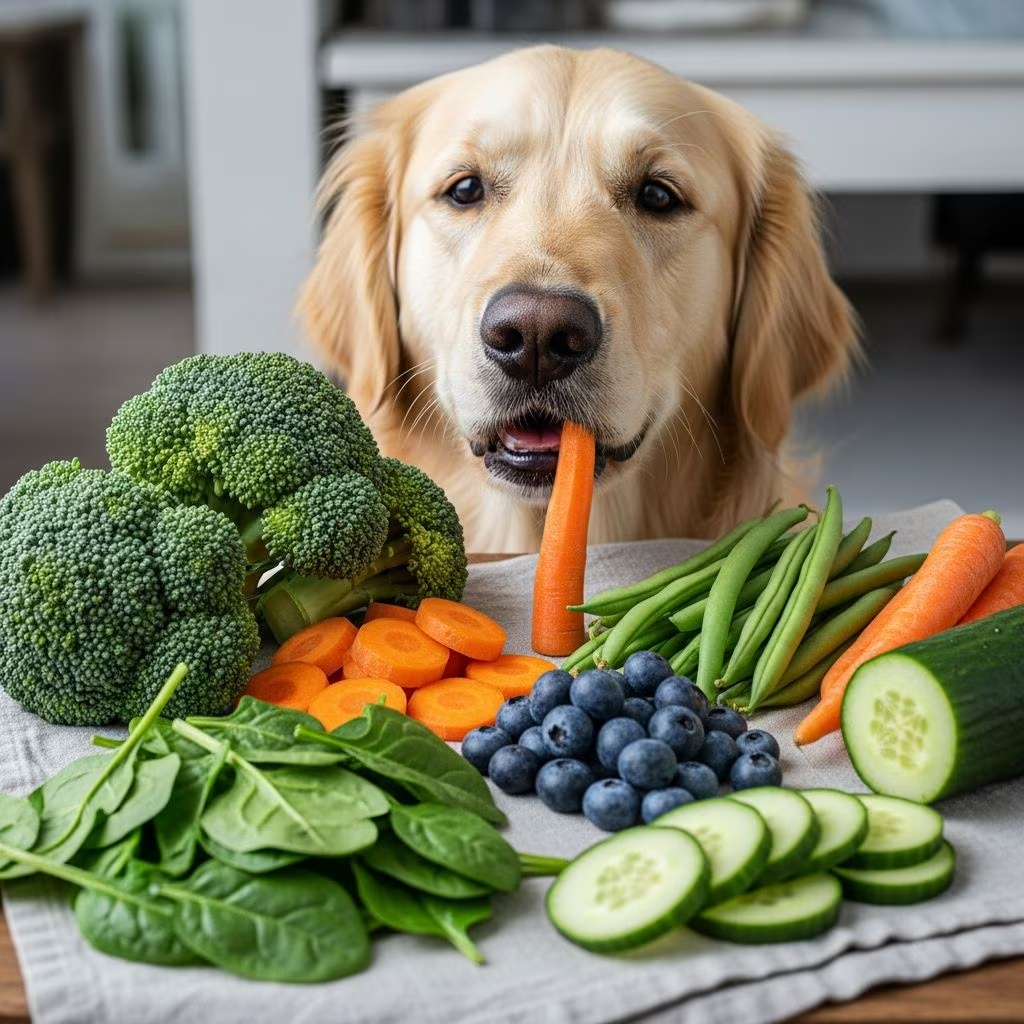
Vegetables offer dogs essential vitamins, fiber, and low-calorie options to complement their diet. When introduced properly, they support digestion, immunity, and overall vitality without replacing balanced commercial or home-prepared meals.
Why Add Vegetables to Your Dog’s Diet?
Incorporating vegetables provides antioxidants, minerals, and hydration benefits. Low in fat and calories, they serve as satisfying treats for weight management. Fiber aids gut health by promoting regularity and reducing harmful bacteria. Vitamins like A, C, and K bolster immunity, vision, and bone strength. Always limit to 10% of daily intake to avoid digestive upset.
Top Safe Vegetables and Their Benefits
Several vegetables stand out for their canine-friendly profiles. Here’s a breakdown of highly recommended options:
- Carrots: Packed with beta-carotene, vitamin A, and fiber. They promote eye health, dental cleaning through crunching, and low-calorie snacking.
- Green Beans: Rich in vitamins A, C, K, iron, and calcium. Low-calorie and high-fiber, they help with satiety and weight control.
- Broccoli: Contains vitamin C, K, potassium, and fiber. Supports bone health and immunity, but use sparingly due to potential gas.
- Celery: Offers vitamins A, B, C for heart health and breath freshening. Its crunch aids dental hygiene.
- Pumpkin: High in fiber and beta-carotene. Excellent for digestion, relieving both diarrhea and constipation.
- Sweet Potatoes: Provide vitamins A, B6, potassium. Boost energy metabolism and immune function when cooked.
- Cucumber: Mostly water with vitamins K and C. Ideal for hydration and cooling during hot weather.
- Zucchini: Low-calorie with potassium and fiber. Supports hydration and gentle digestion.
Vegetables to Feed with Caution
Some veggies are safe in moderation but carry risks if overfed:
- Brussels Sprouts and Cabbage: Antioxidant-rich but high-fiber leading to gas. Start small.
- Cauliflower: Fiber and vitamin C source, but excess causes bloating.
- Spinach and Kale: Nutrient-dense with vitamins and iron, but oxalic acid may hinder calcium absorption and risk kidney issues in large amounts. Limit portions.
- Peas: Provide protein and fiber, but avoid canned varieties with salt; fresh or frozen are best.
- Beets: Vitamins C, folate, manganese benefit skin and digestion, but introduce gradually.
| Vegetable | Key Nutrients | Calories (per 100g) | Best For |
|---|---|---|---|
| Carrots | Vitamin A, Fiber | 41 | Dental Health, Vision |
| Green Beans | Vitamins A/C/K, Iron | 31 | Weight Management |
| Broccoli | Vitamin C/K, Fiber | 34 | Immunity |
| Pumpkin | Fiber, Beta-Carotene | 26 | Digestion |
| Sweet Potatoes | Vitamin A/B6, Potassium | 86 (cooked) | Energy |
Dangerous Vegetables to Avoid Completely
Certain vegetables pose serious toxicity risks:
- Onions, Garlic, Chives, Leeks, Shallots: Contain N-propyl disulfide, damaging red blood cells and causing anemia. Even small amounts, raw or cooked, are hazardous.
- Mushrooms (Wild): Many varieties are toxic; stick to store-bought white mushrooms, cooked only.
- Tomato Stems, Leaves, Green Tomatoes: Solanine toxin can cause poisoning; ripe fruit is safe in moderation.
- Potato Greens and Sprouts: High in solanine; cooked potatoes without green parts are okay sparingly.
- Rhubarb Leaves: Oxalates lead to kidney failure; stalks might be safe cooked but risky.
How to Prepare Vegetables for Dogs
Proper prep minimizes choking and maximizes digestibility:
- Wash thoroughly to remove pesticides.
- Remove stems, seeds, cores, pits, and tough skins.
- Cut into small, bite-sized pieces or puree/mash.
- Cook methods: Steam, boil, or bake to soften; raw for crunch in hard veggies like carrots.
- Avoid seasonings, oils, salt, butter, or garlic/onion powders.
- Start with tiny amounts to monitor tolerance.
For gassy veggies like broccoli or cauliflower, steaming reduces fermentation in the gut.
Portion Guidelines by Dog Size
| Dog Size | Weight Range | Portion (cups) |
|---|---|---|
| Small | Under 20 lbs | 1-2 tbsp |
| Medium | 20-50 lbs | 2-4 tbsp |
| Large | Over 50 lbs | 1/4 – 1/2 cup |
Adjust based on activity level and health; consult a vet for puppies, seniors, or dogs with conditions like diabetes.
Common Digestive Issues and Solutions
High fiber can cause gas, bloating, or loose stools. Brassica family (broccoli, cabbage) ferments in the gut, producing gas. Solutions:
- Introduce one veggie at a time, weekly.
- Use plain canned pumpkin for fiber balance.
- Frozen purees as enrichment toys reduce rapid intake.
- Probiotics aid fiber breakdown.
Integrating Vegetables into Meals
Mix pureed veggies into kibble or wet food for picky eaters. Freeze carrot sticks in broth for teething pups. Use as training rewards. Commercial foods with real veggies ensure balanced nutrition.
Frequently Asked Questions (FAQs)
Can dogs eat lettuce?
Yes, romaine and iceberg are hydrating and low-calorie. Avoid large kale amounts due to oxalates.
Are raw vegetables okay for dogs?
Yes for carrots or green beans; cook fibrous ones to prevent blockages.
What if my dog eats a toxic vegetable?
Watch for vomiting, lethargy, pale gums. Contact vet or poison hotline immediately.
Can vegetables replace dog food?
No, they lack complete proteins and nutrients. Use as supplements only.
Is corn safe for dogs?
Cob is choking hazard; kernels okay sparingly for fiber.
Expert Tips for Success
Monitor allergies: Itchiness or ear infections signal issues. Rotate veggies for nutrient variety. Organic produce reduces pesticide exposure. For obese dogs, veggies bulk meals without calories.
References
- Fruits and Vegetables Dogs Can or Can’t Eat — American Kennel Club. 2023-05-15. https://www.akc.org/expert-advice/nutrition/fruits-vegetables-dogs-can-and-cant-eat/
- What fruit and vegetables can dogs eat? — Blue Cross. 2024-02-10. https://www.bluecross.org.uk/advice/dog/can-dogs-eat-apples-grapes-potatoes-and-other-fruit-and-veg
- Safe And Unsafe Fruits And Veggies To Share With Your Dog — Integrative Medicine. 2023-08-20. https://www.imprimedicine.com/blog/safe-fruits-and-veggies-for-dogs
- Fruit & Veggies Dogs Can and Can’t Eat — Pflugerville Vets. 2023-04-30. https://www.pflah.com/site/blog/2023/04/30/fruit-veggies-dogs-can-eat
- What Vegetables Can Dogs Eat? — Spot & Tango. 2024-01-12. https://spotandtango.com/blog/what-vegetables-can-dogs-eat



