Safe Vegetables for Dogs
Discover which vegetables boost your dog's health and which ones to avoid for a balanced, nutritious diet.
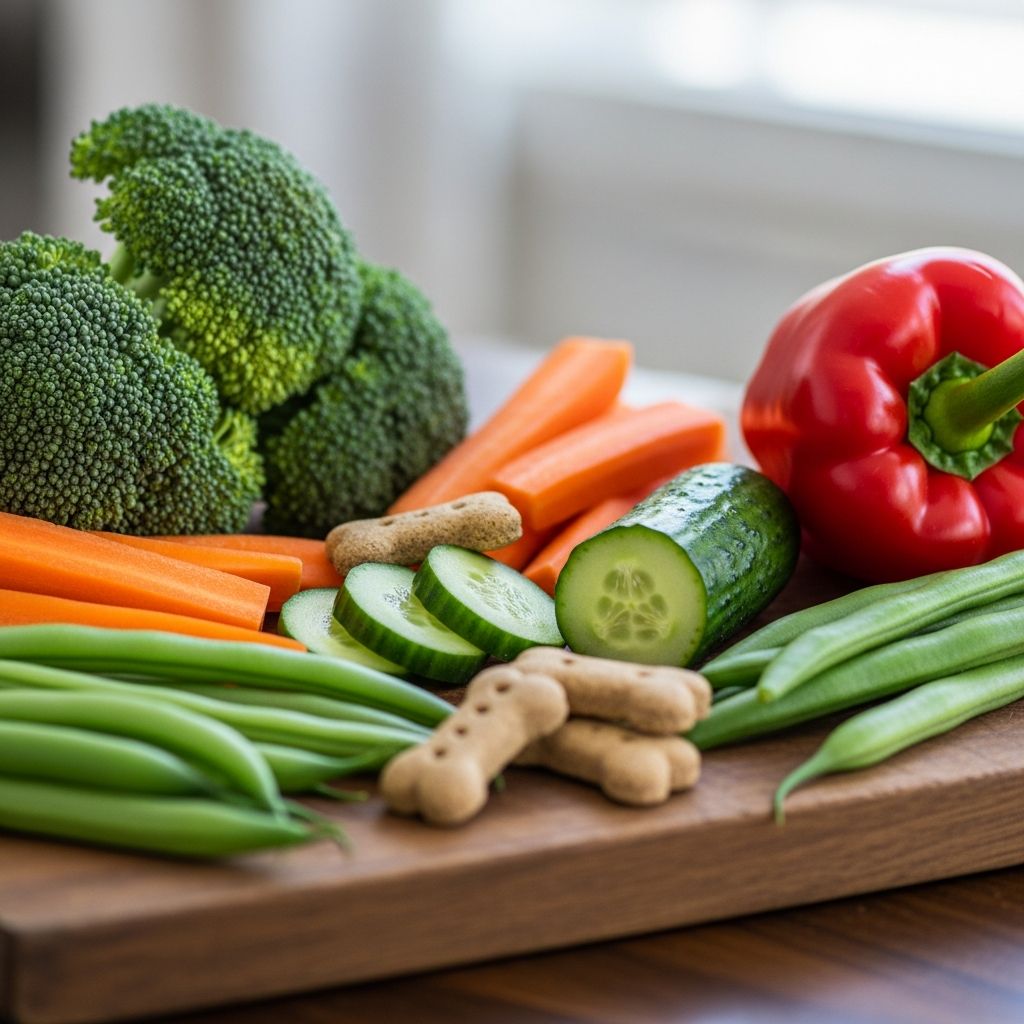
Safe Vegetables for Dogs: A Complete Guide to Nutritious Treats
Vegetables offer dogs essential vitamins, minerals, and fiber that complement their primary diet of high-quality dog food. Incorporating the right veggies can support digestion, immunity, and weight management while providing low-calorie snacks.
Why Vegetables Matter in Your Dog’s Diet
While dogs are primarily carnivores, many thrive on small amounts of vegetables for added nutrition. These plant-based foods supply antioxidants, fiber for gut health, and hydration from high water content. Always limit veggies to 10% of daily calories to avoid digestive upset.
Consult your veterinarian before major diet changes, especially for puppies, seniors, or dogs with health conditions. Proper preparation—washing, chopping, and cooking when needed—ensures safety and digestibility.
Top Safe Vegetables and Their Benefits
Here are nutrient-rich vegetables dogs can enjoy, backed by veterinary recommendations. Serve in moderation, plain, without seasonings, oils, or salts.
Crunchy Carrots for Dental Health
Carrots provide beta-carotene, which converts to vitamin A for eye health and immunity. Their crunch helps clean teeth by scraping plaque. Raw baby carrots make ideal chews; steam larger ones for easier digestion. Low-calorie and high-fiber, they’re perfect for overweight dogs.
Green Beans: Low-Calorie Fillers
Fresh or frozen green beans deliver vitamins A, C, K, iron, and calcium. High fiber promotes satiety, aiding weight loss without sacrificing nutrition. Steam or chop raw for treats; canned versions must be low-sodium.
Broccoli: Immunity Booster
This cruciferous veggie is rich in vitamin C, fiber, and antioxidants. Florets offer cancer-fighting sulforaphane, but stalks can cause blockages—cook thoroughly. Limit to small amounts to prevent gas from isothiocyanates.
Leafy Greens: Spinach and Kale
Dark greens like spinach pack calcium for bones, vitamin K for clotting, iron for oxygen transport, and folate for nutrient absorption. Kale adds similar perks but feed sparingly due to calcium oxalate risks in excess. Chop finely or cook to enhance bioavailability.
Sweet Potatoes: Vitamin A Powerhouse
Baked or boiled sweet potatoes supply beta-carotene, vitamins B6 and C, potassium, and fiber for digestion. Avoid skins and raw forms; mash for easy mixing into meals. Excellent for skin and coat health.
Peas: Protein and Fiber Source
Garden, snow, or snap peas offer plant protein, vitamins A, B, K, and fiber. Fresh or frozen pods (no pods for small dogs) provide enrichment. Avoid canned with added salt.
Zucchini and Cucumbers: Hydrating Snacks
These summer squashes are 95% water, low-calorie, with vitamins A, C, K, and potassium. Slice thinly raw for crunch or steam; remove seeds to prevent choking.
Cauliflower: Versatile Fiber
Low-carb cauliflower provides vitamins C, K, folate, and antioxidants. Steam florets to reduce gas; rice it for meal toppers.
Brussels Sprouts: Mineral-Rich
High in vitamins C and K, fiber, and magnesium for muscle function. Roast plainly and start small to avoid bloating.
Beets: Antioxidant Boost
Beets offer folate, vitamin C, fiber, and betalains for skin health. Cook thoroughly; note harmless red urine tint.
Cooked Potatoes: Nutrient-Dense
Boiled white potatoes provide vitamins B6, C, iron, and magnesium. Never raw due to toxic solanine.
Vegetables to Avoid: Toxic Threats
Some veggies pose serious risks due to toxins damaging red blood cells or causing obstructions.
- Allium Family (Onions, Garlic, Chives, Leeks, Shallots): Contain N-propyl disulfide, leading to anemia. Even small amounts cooked or powdered are dangerous; symptoms delay days.
- Raw Potatoes and Green Tomatoes: Solanine causes vomiting, diarrhea. Cook potatoes; avoid all tomato parts except ripe fruit.
- Mushrooms: Wild varieties toxic; cook store-bought button mushrooms.
- Excess Kale/Rhubarb: Oxalates risk kidney stones.
Preparation and Portion Guidelines
Maximize benefits and minimize risks with these steps:
- Wash thoroughly to remove pesticides.
- Remove seeds, pits, stems, skins where toxic or indigestible.
- Chop into bite-sized pieces; puree for small breeds.
- Cook (steam/boil) fibrous veggies for digestibility.
- Introduce one at a time; monitor for allergies (itching, diarrhea).
- Portion: 1-2 tbsp per 10 lbs body weight daily.
Pro Tip: Freeze chopped veggies for cool treats or stuff in Kongs for mental stimulation.
Nutritional Comparison Table
| Vegetable | Key Nutrients | Calories (per 100g) | Best Prep |
|---|---|---|---|
| Carrots | Vit A, Fiber | 41 | Raw/Steamed |
| Green Beans | Vits A,C,K; Iron | 31 | Steamed |
| Broccoli | Vit C, Fiber | 34 | Cooked |
| Sweet Potato | Vit A, B6 | 86 | Baked/Boiled |
| Peas | Protein, Vit K | 81 | Fresh/Frozen |
| Zucchini | Vits A,C; Water | 17 | Raw |
Sources note these values approximate; actual benefits vary by dog.
Special Considerations for Dogs
- Puppies: Soft-cooked purees; tiny portions.
- Seniors: Mashed for easy chewing; fiber aids constipation.
- Diabetic/Overweight: Prioritize green beans, cukes for low glycemic index.
- Allergies: Watch for itching or upset; common in grain-sensitive dogs.
Frequently Asked Questions (FAQs)
Can dogs eat vegetables every day?
Yes, in small amounts as treats (10% diet max). They add variety without unbalancing nutrition.
Are raw vegetables safe for dogs?
Some like carrots yes; others like broccoli better cooked to avoid choking or irritation.
What if my dog eats a toxic vegetable?
Contact vet immediately; induce vomiting if recent. Monitor for weakness, pale gums.
Can puppies have these veggies?
Yes, but consult vet; start minimal after weaning.
Do veggies replace dog food?
No—use as supplements to complete kibble or raw diets.
Enhancing Your Dog’s Meals with Veggies
Blend into patties, top kibble, or bake veggie biscuits. Recipes: Mix steamed green beans and sweet potato with ground turkey for homemade food (vet-approved ratios). Track weight and stool for balance.
Veggies promote longevity when chosen wisely. Pair with exercise for peak vitality.
References
- 14 Vegetables Dogs Can Eat (And May Just Love) — ToeGrips. 2023-05-15. https://toegrips.com/vegetables-dogs-can-eat/
- What Vegetables Can Dogs Eat? — Jinx Pet Food. 2024-02-20. https://www.thinkjinx.com/blogs/news/what-vegetables-can-dogs-eat
- Fruits and Vegetables Dogs Can or Can’t Eat — American Kennel Club. 2025-01-10. https://www.akc.org/expert-advice/nutrition/fruits-vegetables-dogs-can-and-cant-eat/
- What fruit and vegetables can dogs eat? — Blue Cross. 2024-11-05. https://www.bluecross.org.uk/advice/dog/can-dogs-eat-apples-grapes-potatoes-and-other-fruit-and-veg
- Which Vegetables Are Safe and Beneficial for Your Dog? — UVH Vets. 2023-08-12. https://uvhvets.com/?p=2819
- 15 Safe Fruits and Veggies Your Pets Can Eat Daily Safely — Topaz Vet. 2024-03-22. https://www.topazvet.com/safe-fruits-veggies-for-pets/
Similar Articles







Read full bio of Sneha Tete