

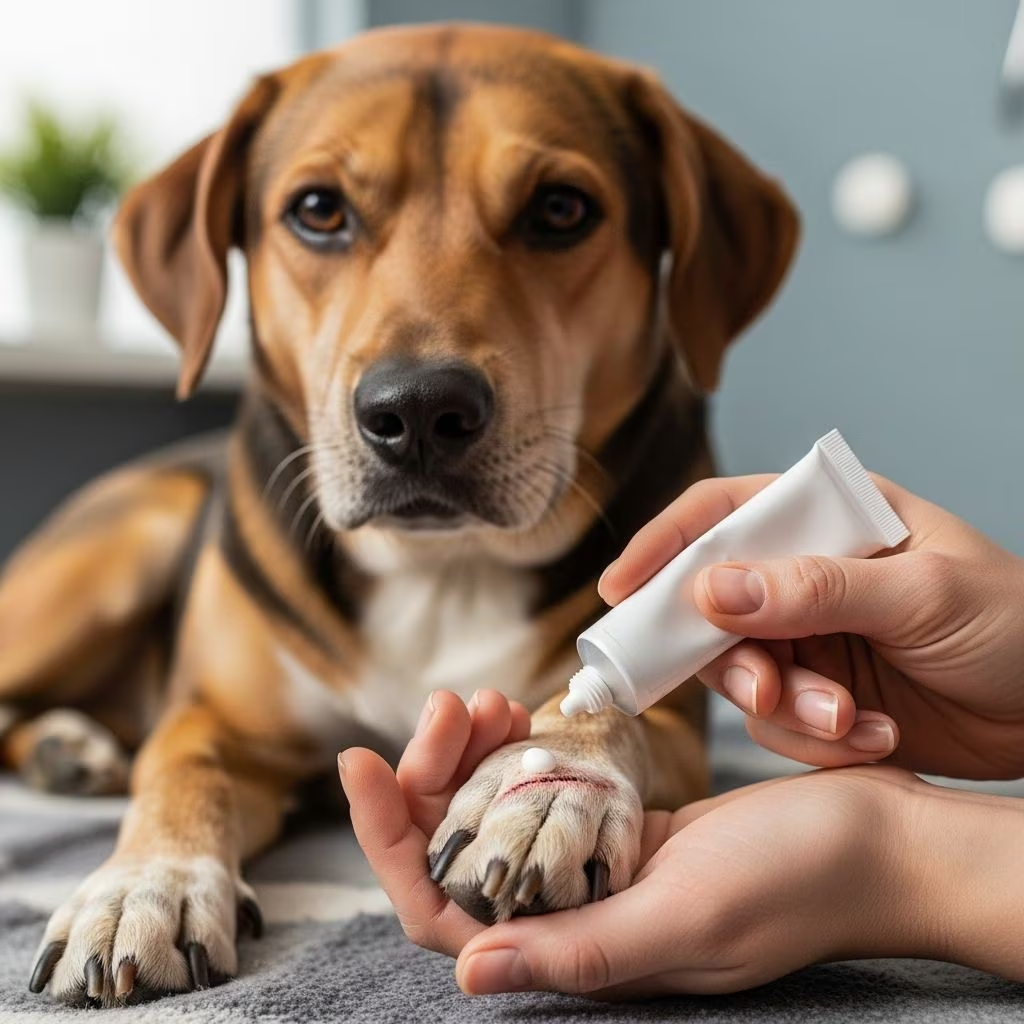
Antibiotic ointments such as Neosporin can serve as a temporary solution for minor cuts and scrapes on dogs when applied correctly, but they come with specific limitations and risks that pet owners must understand.
Understanding Antibiotic Ointments for Canine Skin Injuries
These topical treatments, commonly containing ingredients like neomycin, polymyxin B, and bacitracin, work by targeting bacteria to prevent infections in superficial wounds. Designed primarily for humans, they create a protective barrier on the skin, inhibiting bacterial growth that could complicate healing. For dogs, such ointments are not formulated specifically for their physiology, which raises questions about long-term safety and efficacy.
Pet owners often reach for these readily available products during emergencies, but veterinary guidance is essential to ensure they align with a dog’s health needs. Minor abrasions from play or rough terrain benefit most from this approach, provided the wound is superficial and clean.
Benefits of Topical Antibiotics in Dog First Aid
- Infection Prevention: The triple-antibiotic blend effectively combats common skin bacteria, reducing the chance of minor wounds escalating into abscesses.
- Moisture Barrier: Ointments keep the area hydrated, promoting faster epithelialization without excessive scabbing.
- Accessibility: Over-the-counter availability makes them a quick option for immediate care before professional evaluation.
Studies and veterinary reports confirm that sparing use on clean, shallow injuries yields positive outcomes without systemic absorption issues in most cases.
Key Risks and Side Effects to Watch For
While generally tolerated, neomycin in particular can trigger allergic reactions in sensitive dogs, manifesting as localized redness, swelling, or itching. In rare instances, topical exposure has been associated with ototoxicity, though primarily from systemic administration rather than skin application.
| Risk Factor | Symptoms | Prevalence |
|---|---|---|
| Allergic Reaction | Redness, rash, irritation | Common in neomycin-sensitive dogs |
| Ingestion Toxicity | Vomiting, diarrhea | High if licked off |
| Delayed Healing | Prolonged inflammation | Possible with steroid-containing variants |
| Antibiotic Resistance | Recurrent infections | Risk with overuse |
Ingestion poses the greatest immediate threat, as dogs instinctively lick wounds, potentially leading to gastrointestinal upset. Always monitor post-application and prevent access.
Step-by-Step Guide to Proper Application
- Clean the Wound: Gently rinse with saline or lukewarm water to remove debris, avoiding hydrogen peroxide which damages healthy tissue.
- Dry Thoroughly: Pat dry with a clean gauze to prepare the surface.
- Apply Thin Layer: Use a pea-sized amount of plain antibiotic ointment (no pain relievers or steroids), spreading evenly.
- Protect the Area: Cover with a non-stick bandage or use an e-collar to deter licking.
- Monitor Daily: Check for improvement within 24-48 hours; discontinue if worsening.
Avoid eyes, mouth, nose, and genitals, as these areas require specialized treatments. Consult a vet for wounds deeper than 1/4 inch or showing pus.
When to Avoid Antibiotic Ointments Entirely
- Deep punctures or bites needing debridement.
- Paw pads or hotspots, where moisture exacerbates issues.
- Dogs with known antibiotic allergies or compromised immunity.
- Any wound not healing in 2-3 days.
For these scenarios, professional intervention prevents complications like sepsis.
Veterinarian-Recommended Alternatives
Pet-specific products often outperform human ointments by lacking irritants and including soothing agents.
- Vet Wrap and Silver Sulfadiazine: Broad-spectrum antimicrobial creams for sensitive skin.
- Honey-Based Salves: Natural antibacterial properties with wound-healing promotion.
- Chlorhexidine Solutions: Safe antiseptics for initial cleaning.
- Single-Antibiotic Options: Bacitracin alone minimizes allergy risks.
Bactine spray offers pain relief for minor issues but limit due to lidocaine content.
Building a Comprehensive Dog First Aid Kit
Equip your kit with essentials beyond ointments:
- Sterile saline, gauze, tweezers.
- E-collar, vet wrap, tick remover.
- Pet-safe antiseptics, styptic powder for nails.
- Digital thermometer, Benadryl (vet-dosed).
Regular training ensures readiness for common mishaps.
Long-Term Wound Management Strategies
Prevent recurrence through environmental controls: trim nails, inspect after outdoor activities, and maintain skin health via omega-3 supplements. For chronic lickers, behavior modification or bitter sprays aid compliance.
FAQs on Antibiotic Ointments for Dogs
Is Neosporin toxic if my dog licks it?
Small amounts rarely cause severe issues, but repeated ingestion may lead to GI distress. Use barriers to prevent licking.
Can I use it on my puppy or senior dog?
Yes, sparingly, but consult a vet due to immature or weakened immune systems.
What if the wound is near the eye?
Never apply; seek immediate vet care to avoid corneal damage.
How long can I use it before seeing a vet?
Limit to 2-3 days; persistent issues warrant professional assessment.
Are there natural alternatives?
Manuka honey or coconut oil provide mild antibacterial effects, but they’re not substitutes for severe cases.
Expert Insights from Veterinary Sources
Veterinarians emphasize moderation: “Verify no steroids are present, clean thoroughly, and cover to prevent ingestion,” advises VCA Animal Hospitals. Cornell’s Canine Health Center recommends hydrocortisone for hotspots but pairs it with antibiotics only under supervision.
References
- Can You Use Neosporin On Dogs? Benefits, Risks, & More — Vetnique Labs. 2023. https://vetnique.com/blogs/vets-corner/can-you-use-neosporin-on-dogs-vetnique
- Over-the-Counter (OTC) Medications That May Be Safe for Dogs — VCA Animal Hospitals. 2024-01-15. https://vcahospitals.com/wexford/know-your-pet/are-over-the-counter-medications-safe-for-my-dog
- Can You Put Antibiotic Ointment on a Dog? – YouTube — Veterinary Expert Video. 2023-05-10. https://www.youtube.com/watch?v=eENyLQ7Zzqs
- Can You Use Neosporin on Dogs? — MetLife Pet Insurance. 2024. https://www.metlifepetinsurance.com/blog/pet-health/neosporin-on-dogs/
- Can You Put Neosporin on a Dog? — Animal Family Veterinary Care. 2023-08-20. https://animalfamilyveterinarycare.com/blog/can-you-put-neosporin-on-a-dog/
- Neosporin for Dogs: Uses, Side Effects, and Alternatives — American Kennel Club. 2024-02-12. https://www.akc.org/expert-advice/health/neosporin-for-dogs/
- Neosporin for Dogs: Uses, Side Effects, and More — GoodRx. 2025-11-05. https://www.goodrx.com/pet-health/dog/neosporin-for-dogs
- Hot Spots — Cornell University College of Veterinary Medicine. 2024. https://www.vet.cornell.edu/departments-centers-and-institutes/riney-canine-health-center/canine-health-topics/hot-spots



