

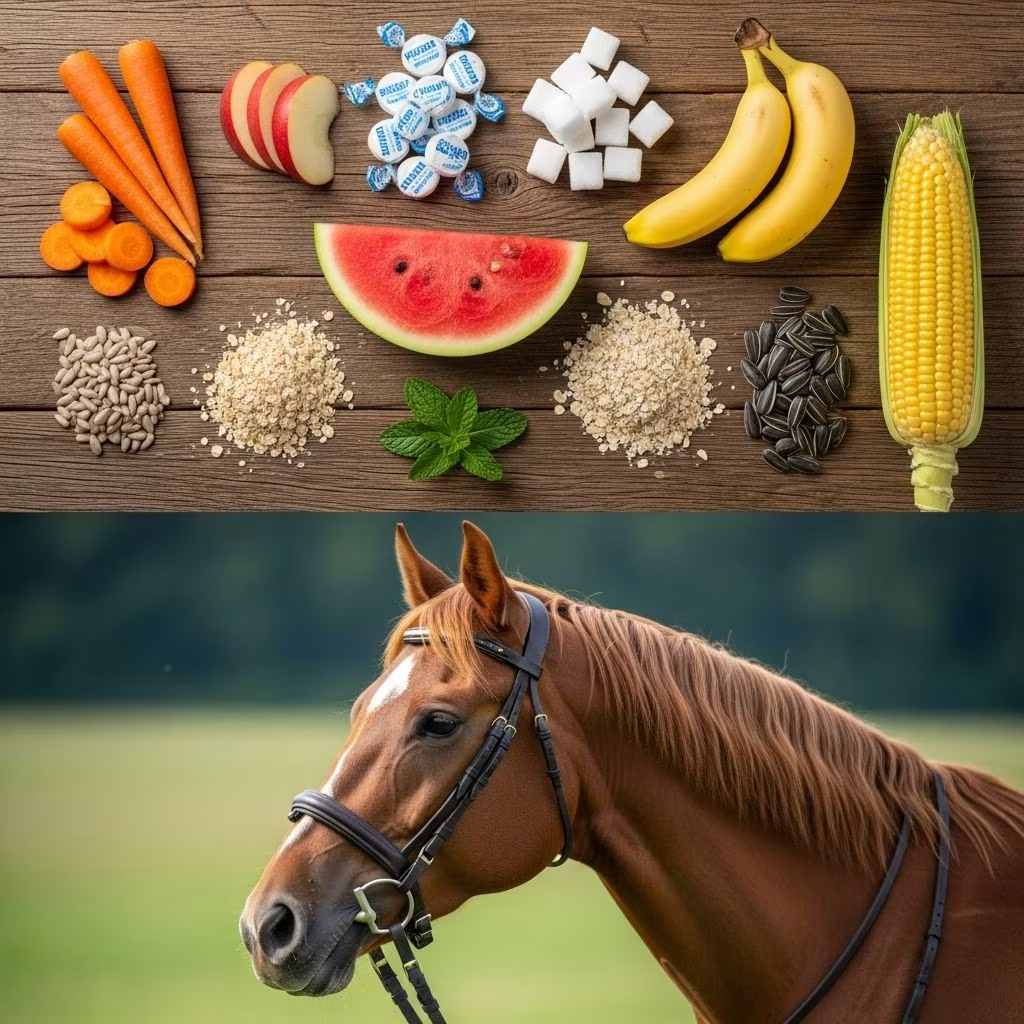
10 Safe Treats for Horses—and 10 Foods To Avoid
Treating your horse is a wonderful way to bond with your equine companion, reinforce positive behavior, and add variety to their diet. However, not all treats are created equal, and some human foods can be dangerous or harmful to horses. Understanding which treats are safe and which to avoid is essential for maintaining your horse’s health and preventing serious nutritional or digestive issues. This comprehensive guide explores the best treats for horses, foods to steer clear of, and special considerations for horses with specific health conditions.
The Best 10 Treats for Horses
1. Apple Slices
Apples are a classic horse treat and an excellent source of fiber that supports digestive health. These sweet and juicy fruits are highly palatable, making them a favorite among most horses. While all apple varieties are safe for equine consumption, horses typically prefer sweeter varieties such as Gala, Fuji, and Honeycrisp over tart options like Granny Smith. To prevent choking hazards, always cut apples into small, bite-sized pieces before offering them to your horse. The natural sugars provide a quick energy boost, and the fiber content aids in maintaining healthy digestive function.
2. Carrots
Carrots are perhaps the most iconic horse treat, found in abundant quantities at virtually every horse barn. These orange vegetables are nutritional powerhouses, rich in beta-carotene, which horses convert into vitamin A for vision and immune function. Carrots also contain vitamins C and K, along with potassium, making them an excellent choice for supporting overall health. Their crunchy texture encourages natural wear of equine teeth, promoting long-term dental health. Whether offered whole or sliced, carrots are safe, affordable, and universally enjoyed by horses.
3. Bananas
Many horses enthusiastically consume bananas, often eating the peel along with the fruit itself. These tropical treats offer dual health benefits: they’re rich in potassium, an essential electrolyte lost through sweat during exercise and hot weather, and they contain substantial dietary fiber that promotes healthy digestion. Bananas provide natural sugars for quick energy replenishment after workouts. Their soft texture makes them ideal for older horses or those with dental sensitivities. For convenience, you can offer bananas whole or peeled, depending on your horse’s preference.
4. Watermelon and Melon
Watermelon and other melons, including cantaloupe and honeydew, are excellent hydration treats, comprising 80-90 percent water. These refreshing options are particularly valuable during hot, humid weather or following intense exercise and sweaty workouts. Beyond hydration, melons are tasty and engaging, allowing horses to interact with the treat using their natural grazing behaviors. Their substantial size means horses cannot swallow them whole, significantly reducing choking risk. The natural sugars provide energy while the high water content maintains hydration status.
5. Pears
Pears serve as an excellent alternative to apples, particularly for horses experiencing dental issues or advanced age-related tooth wear. These fruits offer similar nutritional benefits to apples, including fiber and various vitamins, but with a softer texture that’s easier for compromised teeth to manage. Pears are equally safe and palatable, providing natural sweetness without excessive sugar content. They’re an often-overlooked treat option that deserves greater consideration for senior horses or those with dental disease.
6. Celery
Celery is an underrated treat offering multiple health advantages for horses. This vegetable is high in fiber and water while remaining low in sugar, making it safe for virtually all horses, including those with metabolic concerns. The chewy texture of celery naturally encourages tooth wear, supporting the herbivorous dental system designed for consuming coarse forage. Horses often enjoy the satisfying crunch, and celery can be offered in stalks or chopped into smaller pieces. Its hydrating properties and minimal caloric content make it ideal for weight-conscious or senior horses.
7. Berries
Various berries, including strawberries, blueberries, and raspberries, are safe and nutritious treats that horses can enjoy. These small fruits are packed with antioxidants, vitamins, and minerals that support immune function and overall health. Their natural sweetness appeals to most horses, and their small size eliminates choking concerns. Berries can be offered fresh or frozen, though frozen berries should thaw before serving. The nutritional density of berries makes them an excellent choice for supplementing your horse’s diet with beneficial compounds.
8. Coconut
Coconut is a safe and interesting treat option that many horses enjoy. Whether offered as shredded coconut or coconut pieces, this tropical treat provides healthy fats and medium-chain triglycerides. Coconut supports coat health and can contribute to overall nutritional variety. While not as commonly offered as traditional treats, coconut represents a novel option that can add diversity to your horse’s treat rotation and prevent treat boredom.
9. Low-Sugar Cookies
For horses with metabolic or endocrine issues, such as equine metabolic syndrome or pituitary pars intermedia dysfunction (PPID, also known as equine Cushing’s disease), commercially available low-sugar treats like Stabul Molasses-Free Horse Treats offer safe indulgence options. These products are specifically formulated to minimize sugar and starch content while maintaining palatability. Alternatively, many horse owners prepare homemade cookies by eliminating sugar from traditional recipes, using applesauce or other natural sweeteners instead. These treats allow health-compromised horses to participate in positive training and bonding without jeopardizing their medical management.
10. Grass
Fresh grass, when offered in moderation, can safely be enjoyed by many horses as a natural treat. Grass is typically rich in non-structural carbohydrates including starch, sugar, and fructans. However, horses suffering from equine metabolic syndrome or endocrine conditions should consult their veterinarian before allowing extended grazing or grass snacking, as these conditions increase carbohydrate sensitivity. For healthy horses, fresh pasture access provides a naturally rewarding treat experience while supporting psychological well-being and behavioral enrichment.
10 Foods to Avoid Feeding Your Horse
Just as important as knowing what to feed is understanding which foods pose risks to equine health. Several common foods that are safe for humans or other animals can cause serious harm to horses. Being aware of these dangerous options helps prevent accidental poisoning and nutritional imbalances.
Dangerous Foods and Their Risks
| Food Category | Specific Examples | Health Risks |
|---|---|---|
| Nightshades | Potatoes, tomatoes, eggplants, peppers | Contain toxic alkaloids that can cause digestive upset and toxicity |
| Allium Vegetables | Onions, garlic, leeks | Damage red blood cells, causing anemia with symptoms like yellow gums and red-tinged urine |
| Oxalate-Rich Plants | Spinach, rhubarb, Swiss chard | Lead to gastrointestinal irritation and calcium deficiency |
| Avocado | All parts of the fruit | Contains persin, a fungal toxin harmful to horses |
| Chocolate | All forms, especially dark chocolate | Contains theobromine and caffeine, causing toxicity |
| Meat and Bones | Any animal products | Horses are herbivores; these can cause digestive upset |
| Moldy or Fermented Foods | Spoiled hay, grain, silage | Can contain mycotoxins and pathogenic bacteria |
| High-Sugar Products | Candy, desserts, processed sweets | Predispose to metabolic disorders and weight gain |
| Excessive Grains | Large quantities of oats, corn, barley | Can cause colic and metabolic imbalances |
| Bakery Products with Xylitol | Some modern baked goods | Xylitol is toxic to horses and causes hypoglycemia |
Special Considerations for Horses with Health Conditions
Equine Metabolic Syndrome
Horses with equine metabolic syndrome require low-starch and low-sugar diets. Treats high in sugar or starch, including those containing molasses or grains, should be strictly avoided. Instead, opt for vegetables with lower sugar content, commercial low-sugar treats specifically formulated for metabolic support, or simple herbal treats. Always consult your veterinarian or equine nutritionist before introducing new treats to metabolically compromised horses.
Obesity Management
Obese horses may require low-calorie treats with strict limits on both quantity and frequency of treat offerings. Vegetables like celery, cucumber, and low-calorie greens provide satisfying treats without significant caloric contribution. Consider treat selection as part of a comprehensive weight management strategy that includes appropriate forage quality and exercise programs.
Hyperkalemic Periodic Paralysis
Horses with this muscle disorder should avoid high-potassium treats such as bananas and cantaloupe, as excess potassium can trigger episodes. Consult your veterinarian for appropriate low-potassium treat alternatives that allow your horse to participate in positive reinforcement training without health risks.
Dental Issues and Age-Related Concerns
Horses with dental disease or older horses with compromised teeth may struggle with hard, crunchy treats, increasing choking risk. Softer options like watermelon, pears, pureed vegetables, or specially formulated soft commercial treats are safer alternatives. Treats with softer textures accommodate dental limitations while maintaining the emotional and behavioral benefits of treat offerings.
Choosing the Right Commercial Treats
Commercial horse treats offer convenience and often provide functional benefits beyond simple palatability. When selecting manufactured treats, consider these key factors:
Quality Ingredients
Reputable brands use high-quality, identifiable ingredients without excessive fillers or artificial additives. Review ingredient lists carefully and prioritize brands that provide transparency about sourcing and manufacturing processes. Look for treats with recognizable components like oats, apples, carrots, and herbs rather than vague industry byproducts.
Functional Benefits
Many commercial treats now incorporate functional ingredients supporting specific health needs. Options include joint support formulas with glucosamine, digestive support with probiotics or herbs like chamomile, calming treats with magnesium or herbal blends, or performance recovery treats with amino acids. These functional treats allow you to support your horse’s health while providing rewards.
Sugar and Starch Content
Check nutritional panels for sugar and starch percentages, particularly important for metabolically sensitive horses. Low-sugar, low-starch formulations marked on packaging help ensure treats won’t trigger digestive upset or metabolic imbalances.
Texture Preferences
Consider your individual horse’s texture preferences and dental health. Some horses prefer soft and chewy treats, while others enjoy a satisfying crunch. Horses with dental sensitivities benefit from softer formulations, while healthy horses might appreciate the dental benefits of harder textures.
Homemade Horse Treat Recipe
Many horse owners enjoy preparing homemade treats tailored to their horse’s preferences and dietary needs. Here’s a simple, nutritious recipe:
Easy Oat and Apple Horse Treats
Ingredients:
– 2 cups rolled oats- 1 cup unsweetened applesauce- 1/4 cup molasses (or omit for low-sugar version)- 1/4 cup grated carrots- 1/4 cup chopped apples- 1/4 cup whole wheat flour
Instructions:
1. Preheat oven to 350°F (175°C)2. Combine all ingredients in a large mixing bowl3. Mix thoroughly until well combined with consistent texture4. Drop spoonfuls onto a greased baking sheet5. Bake for 15-20 minutes until golden brown6. Cool completely before offering to your horse7. Store in an airtight container for up to one week
Treat Safety Guidelines
Regardless of which treats you choose, following basic safety practices protects your horse from harm:
- Always cut treats into small, bite-sized pieces to prevent choking
- Introduce new treats gradually to monitor for adverse reactions
- Limit treats to 10 percent or less of daily caloric intake
- Ensure treats don’t replace essential forage and concentrates
- Provide fresh, clean water at all times
- Store treats properly to prevent spoilage and mold contamination
- Supervise treat administration, especially with new or unfamiliar options
- Monitor your horse for any signs of digestive upset, allergic reactions, or behavioral changes
Flavor Preferences and Individual Variation
Research on equine flavor preferences reveals that horses gravitate toward certain taste profiles. Common preferred flavors include carrot, peppermint, banana, cherry, fenugreek, cumin, rosemary, and oregano. However, individual horses display unique preferences, and what appeals to one horse might not interest another. Experimenting with different options helps identify your specific horse’s favorite flavors, making training and bonding sessions more effective.
The Role of Treats in Training and Bonding
Beyond nutrition, treats serve important psychological and behavioral functions. When used thoughtfully, treats help reinforce good behavior, create positive associations with handling and training, and strengthen the human-horse bond. The act of hand-feeding treats (safely, with a flat palm) builds trust and communication. Treats can mark desired behaviors during training, making them valuable tools for horsemanship and positive reinforcement techniques.
Nutritional Perspective
While treats enhance the horse-owner relationship and can provide supplemental nutrition, they should never replace a well-balanced base diet. Forage and concentrates should supply key nutrients; treats are supplements to these foundational diet components. Avoid relying on treats to supply essential vitamins and minerals—instead, ensure your base diet meets all nutritional requirements and select treats primarily for enjoyment and behavioral rewards.
Frequently Asked Questions About Horse Treats
Q: How often can I give my horse treats?
A: Treats should constitute no more than 10 percent of your horse’s daily caloric intake. For most horses, this means one to two modest treats daily is appropriate, though this varies based on treat type and individual horse needs.
Q: Can horses eat all fruits and vegetables?
A: No. While many fruits and vegetables are safe, some are toxic (nightshades, allium vegetables) or problematic for certain horses (high-potassium fruits for those with HYPP). Research specific items before offering them.
Q: Are commercial horse treats better than natural treats?
A: Both have advantages. Natural treats like carrots and apples are inexpensive and familiar, while quality commercial treats may offer functional benefits and consistent formulation. The best choice depends on your horse’s individual needs and preferences.
Q: What should I do if my horse shows signs of treat intolerance?
A: If your horse experiences colic, diarrhea, or other digestive upset after treats, discontinue the item immediately and consult your veterinarian. Remove the specific treat from future offerings and identify safer alternatives.
Q: Can I give treats to horses with insulin resistance?
A: Yes, but only specifically formulated low-sugar, low-starch treats designed for metabolically sensitive horses. Always verify treat composition with your veterinarian before introducing them.
Q: How should I safely hand-feed treats to my horse?
A: Extend your palm flat and hold treats securely. Keep fingers tucked and allow your horse to take the treat directly from your palm. Never throw treats, and always supervise to prevent accidents.
References
- 10 Safe Treats for Horses—and 10 Foods To Avoid — Chewy. 2024. https://www.chewy.com/education/horse/feed-and-nutrition/treats-for-horses
- Safe and Healthy Treats for Your Horse — Tribute Equine Nutrition. 2024. https://tributeequinenutrition.com/blogs/news/safe-treats-for-your-horse
- Trick or Treat: Things to Think About When Giving Your Horse a Treat — Penn State Extension. 2024. https://extension.psu.edu/trick-or-treat-things-to-think-about-when-giving-your-horse-a-treat/
- Horse Treats: Why They Matter and What Makes a Good One — VetCS. 2024. https://vetcs.com/blogs/pet-horse-care/horse-treats-guide
- Horse Treats: A Guide to Rewarding Your Horse — NRS World. 2024. https://nrsworld.com/blogs/learning-center/horse-treats-a-guide-to-rewarding-your-horse



