

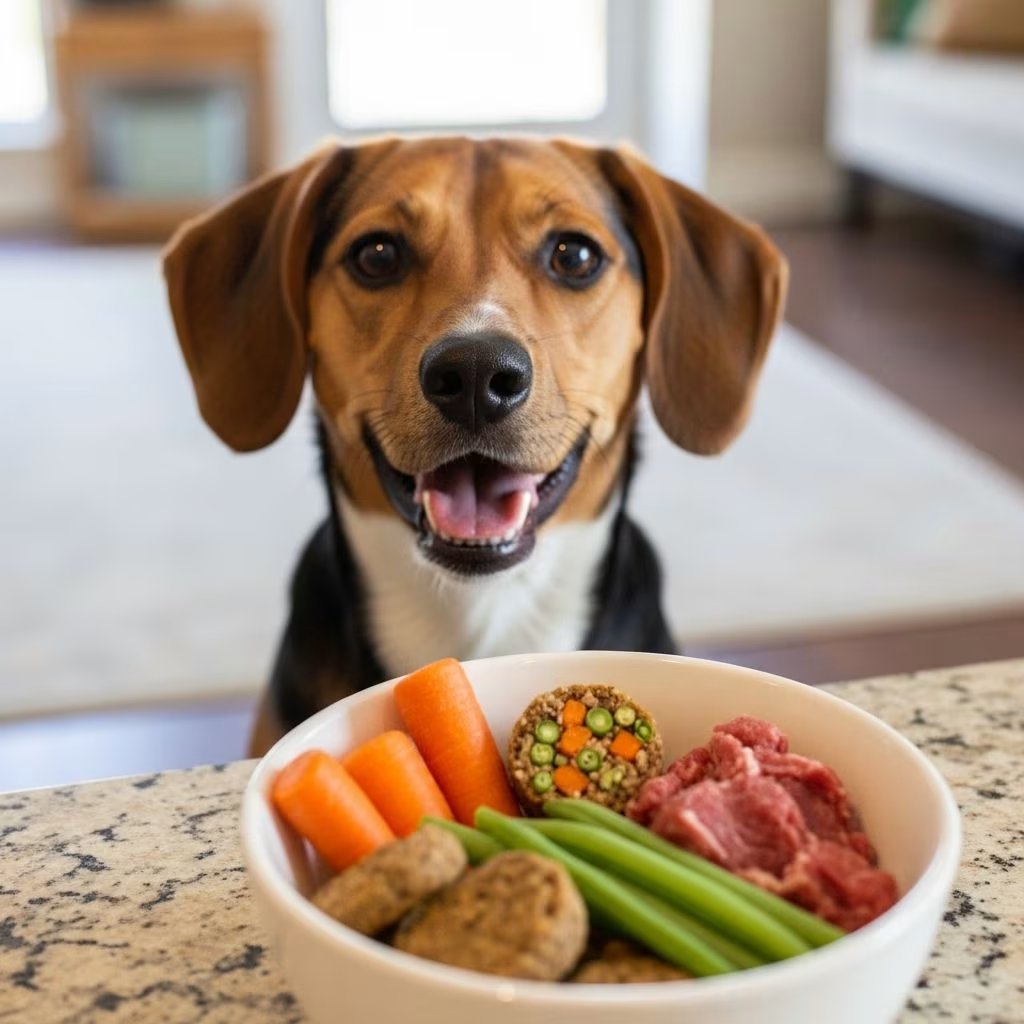
Bladder stones, also known as uroliths, form in a dog’s urinary bladder from mineral crystals and can cause pain, infections, and blockages if not managed properly. While medical treatments like surgery or special diets are essential, selecting the right treats plays a crucial role in supporting recovery and preventing recurrence. This guide focuses on vet-approved treat options that minimize mineral buildup, promote hydration, and maintain overall nutrition without exacerbating the condition.
Understanding Bladder Stones in Canines
These hardened mineral deposits develop due to factors like diet, genetics, urinary tract infections, and dehydration. Common types include struvite (magnesium ammonium phosphate), calcium oxalate, urate, cystine, and silicate stones. Each type responds differently to dietary interventions; for instance, struvite stones may dissolve with specific low-protein, low-phosphorus diets, while calcium oxalate stones require reduced oxalate and balanced calcium levels.
Symptoms often include frequent urination, blood in urine, straining, and abdominal discomfort. Early detection through veterinary analysis of stone composition via imaging or lab tests guides treatment and dietary planning. Treats must align with these prescriptions to avoid contributing to crystal formation.
Key Nutritional Guidelines for Treat Selection
When choosing treats, prioritize those low in phosphorus, magnesium, protein, and purines, depending on stone type. Increase moisture content to dilute urine and encourage frequent urination. Avoid high-salt, sugary, or fatty commercial treats that could worsen dehydration or mineral concentration.
- Hydration-focused: Wet or broth-based treats help flush the urinary system.
- Low-mineral: Select options under 0.5% phosphorus and minimal magnesium.
- Protein moderation: Opt for high-quality, moderate-protein sources to prevent excess nitrogenous waste.
- Grain-inclusive: For struvite-prone dogs, carbs from rice or oats can balance the diet.
Consult your vet for stone-specific recommendations, as generic low-fat treats may not suffice.
Commercial Treats Suitable for Bladder Stone Management
Veterinary therapeutic diets like Hill’s Prescription Diet c/d, Purina UR/St, and Royal Canin Urinary SO often come in treat forms or can be broken into small pieces. These are formulated to alter urine pH and reduce stone-forming minerals.
| Treat Brand | Key Benefits | Suitable Stone Types | Notes |
|---|---|---|---|
| Hill’s Prescription c/d Treats | Low phosphorus, urine acidifying | Struvite, Calcium Oxalate | Vet prescription required |
| Purina UR Urinary Treats | Moderate protein, high moisture | Struvite, Urate | Supports dissolution diets |
| Royal Canin Urinary SO Bites | Low magnesium, RSS control | Multiple types | Small size for training |
| Blue Buffalo Natural Veterinary Diet KS | Low purine, kidney support | Urate, Cystine | Grain-free option |
These treats should comprise no more than 10% of daily calories to avoid unbalancing the main diet.
Homemade Treat Recipes Tailored for Urinary Health
DIY treats allow control over ingredients. Use fresh, human-grade components and bake at low temperatures to preserve nutrients. Always introduce gradually and monitor urine pH with test strips.
Pumpkin and Blueberry Bites
Ingredients (yields 30 small treats): 1 cup canned pumpkin (plain, no sugar), 1/2 cup blueberries (low oxalate), 1 cup oat flour, 1 egg, 1 tbsp fish oil.
- Mash blueberries into pumpkin.
- Mix with flour, egg, and oil to form dough.
- Roll into balls, flatten, bake at 350°F for 15 minutes.
Benefits: Antioxidants from blueberries support bladder lining; pumpkin adds fiber for digestion without minerals.
Chicken Broth Frozen Cubes
Ingredients: Low-sodium chicken broth (fat-skimmed), carrots (finely chopped), parsley (for diuretic effect).
Boil carrots in broth, cool, pour into ice cube trays, freeze. Offer 1-2 cubes daily. This hydrates and provides flavor without excess protein.
Sweet Potato Chews
Thinly slice washed sweet potatoes, bake at 250°F for 3 hours until leathery. Low phosphorus and high in beta-carotene for immune health.
Portion control: Limit to 5-10% of intake. Store in fridge for up to a week.
Vegetable and Fruit Snacks to Promote Hydration
Water-rich produce dilutes urine effectively.
- Cucumber slices: 96% water, negligible minerals; refreshing crunch.
- Watermelon (seedless): High moisture, low oxalate if fed sparingly.
- Green beans: Steamed, low calorie, fiber-rich to aid bowel regularity which indirectly supports urinary flow.
- Carrots (raw baby): Crunchy alternative to high-protein treats.
- Apples (no seeds): Pectin helps bind toxins; limit to avoid excess sugar.
Wash thoroughly, cut small, and freeze for longer-lasting treats. These are ideal for training sessions.
Foods and Treats to Strictly Avoid
Certain items promote crystal formation:
- High-purine meats (liver, organ meats) for urate stones.
- Dairy products (high calcium for oxalate stones).
- Raw fish or spinach (oxalates).
- Commercial jerky treats with salt or byproducts.
- Seeds, nuts, or grains like wheat for silicate risks.
Transition off these gradually to prevent digestive upset.
Integrating Treats with Medical Treatments
Treats complement procedures like cystotomy (surgical removal), urohydropropulsion (flushing small stones), laser lithotripsy (breaking stones non-surgically), or dietary dissolution. Post-surgery, soft, moist treats aid recovery. For dissolution diets, treats must match pH goals—acidifying for struvite, alkalinizing for urates.
Regular vet check-ups, including urinalysis every 3-6 months, ensure efficacy. Weight management prevents obesity-related complications.
Prevention Strategies Beyond Treats
- Encourage 24/7 water access; add fountains or ice cubes.
- Promote frequent potty breaks.
- Maintain prescription diets long-term.
- Monitor for UTIs with antibiotics if needed.
Frequently Asked Questions (FAQs)
Can all bladder stones be dissolved with diet and treats?
No, only struvite stones typically dissolve; others require removal.
How often can I give treats to my dog with stones?
Limit to 10% of daily calories; calculate based on weight and activity.
Are grain-free treats safe?
Depends on stone type; some lack balancing carbs needed for struvite control.
What if my dog refuses prescription treats?
Mix with approved veggies or use as training rewards sparingly.
Do puppy treats pose risks for future stones?
Yes, high-mineral ones can predispose; choose urinary-supportive early.
Long-Term Management for a Stone-Free Life
Consistency in treat choices and monitoring yields the best outcomes. Partner with your vet for personalized plans, including periodic stone analysis. With proper nutrition, many dogs live comfortably without recurrence.
References
- Bladder Stones in Dogs: Causes, Symptoms and Treatments — CareCredit Well-U. 2023. https://www.carecredit.com/well-u/pet-care/bladder-stones-dogs/
- Bladder Stone Removal in Dogs: Minimally Invasive Surgical Options — AZ Vet Direct. 2023. https://azvet.direct/bladder-stone-removal-for-pets-in-mesa-and-the-entire-southeast-valley-of-phoenix/bladder-stone-removal-in-dogs-minimally-invasive-surgical-options/
- Bladder Stones in Dogs — VCA Animal Hospitals. 2024. https://vcahospitals.com/know-your-pet/bladder-stones-in-dogs
- Bladder Stones in Dogs — Small Door Veterinary. 2023. https://www.smalldoorvet.com/learning-center/medical/bladder-stones-in-dogs
- Bladder Stones in Dogs — Center Star Veterinary. 2023-08-23. https://www.centerstarvet.com/site/blog/2023/08/23/bladder-stones-dogs
- Part 2: Nutritional Management for Bladder Stones in Dogs — Ontario Veterinary College Pet Nutrition. 2024-07-17. https://ovcpetnutrition.uoguelph.ca/2024/07/17/part-2-nutritional-management-for-bladder-stones-in-dogs/
- What to Feed a Dog With Bladder Stones — PetMD. 2024. https://www.petmd.com/dog/nutrition/what-to-feed-dog-with-bladder-stones



