

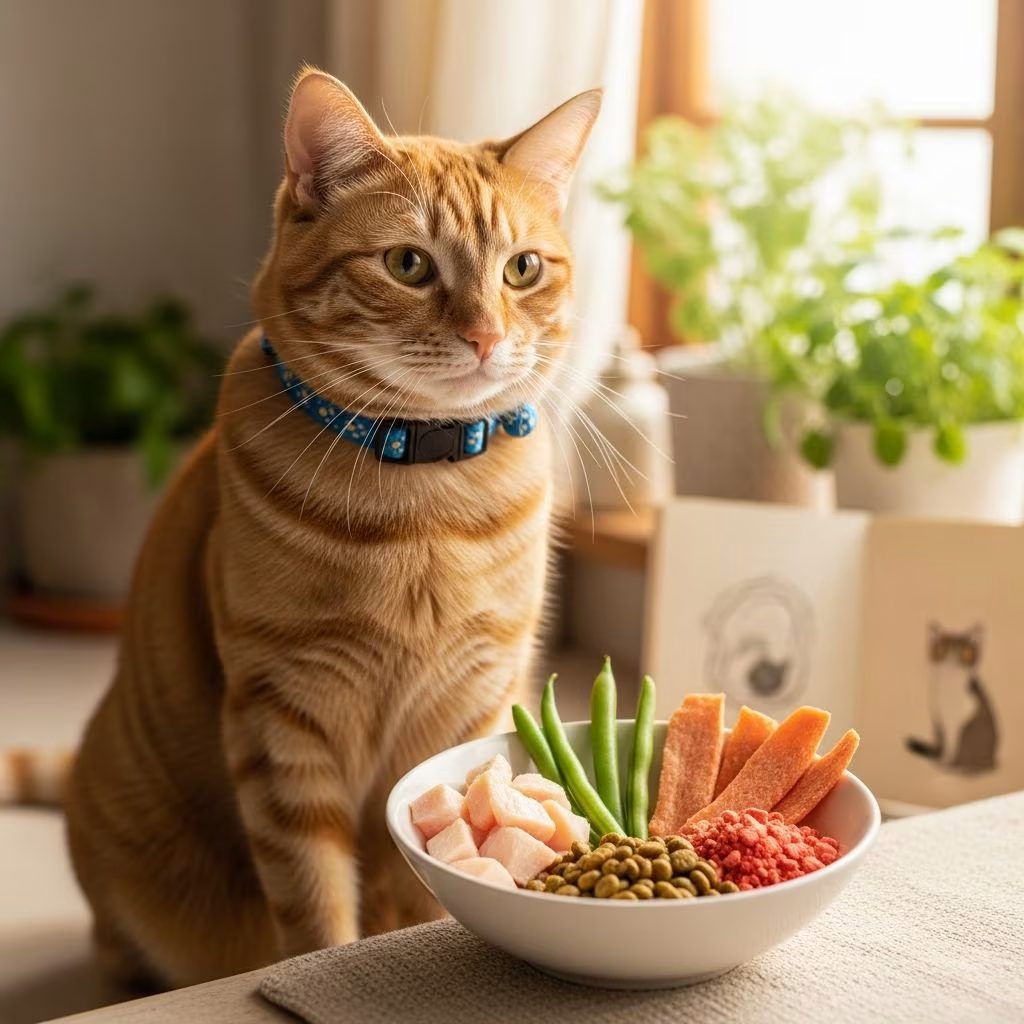
Managing a cat’s diabetes extends far beyond insulin injections and regular veterinary checkups. One of the most challenging aspects of feline diabetes management involves rewarding your beloved pet without compromising their blood glucose levels. Many cat owners struggle with the guilt of refusing treat requests, not realizing that thoughtful treat selection combined with precise portion control can actually support rather than sabotage their cat’s health journey. Understanding how to incorporate treats into a diabetic cat’s diet requires knowledge of nutritional fundamentals and a commitment to consistency.
Understanding Your Diabetic Cat’s Nutritional Foundation
Feline diabetes develops when a cat’s body cannot properly regulate blood glucose levels, often triggered or exacerbated by obesity and improper nutrition. Unlike dogs and humans who can synthesize certain nutrients, cats are obligate carnivores with unique metabolic requirements. This means cats have evolved to derive nearly all their nutritional needs from animal-based sources rather than plant matter.
The macronutrient composition of your cat’s diet fundamentally impacts their diabetic management. Protein serves as the primary building block for muscle tissue and should constitute the largest portion of your cat’s daily intake. Fat provides concentrated energy and contains essential fatty acids that cats cannot manufacture independently. Carbohydrates, while often misunderstood, do serve important functions through fiber content, though diabetic cats require significantly reduced amounts compared to many commercial pet foods.
The carbohydrate-insulin relationship proves critical in diabetes management. When cats consume carbohydrate-rich meals, their bodies experience rapid blood glucose spikes that demand increased insulin production or injection requirements. Low-carbohydrate diets blunt this glycemic response, making glucose management more predictable and sustainable.
The Role of Treats Within a Diabetic Diet Plan
Treats should never comprise more than 10 percent of a diabetic cat’s total daily caloric intake. This strict limitation exists because commercial treats often contain excessive calories, hidden carbohydrates, and fillers that destabilize blood glucose levels. Many conventional cat treats contain as many calories as an entire meal, immediately throwing off carefully calibrated feeding schedules and insulin dosing.
The temporal aspect of treat delivery proves equally important as the nutritional profile. Treats should be offered at consistent times each day, ideally during regular meal times rather than randomly throughout the day. This consistency allows your veterinarian to accurately predict your cat’s insulin requirements and adjust dosages appropriately if your cat refuses a meal.
Should treats consistently interfere with your cat’s appetite during scheduled meals, you may need to eliminate them entirely and redirect your affection through play-based interactions instead. Interactive play sessions often provide greater psychological enrichment than treats while supporting weight management goals.
Identifying Superior Treat Options for Diabetic Cats
The best treats for diabetic cats mirror the nutritional profile of their primary diet: high in animal protein, moderate in healthy fat, and minimal in carbohydrates. The following options meet these criteria and have been recommended by veterinary nutrition specialists:
- Freeze-dried protein options: Freeze-dried chicken, beef, salmon, tuna, and liver preserve the nutritional integrity of meat while removing moisture, creating shelf-stable treats that require no refrigeration. These products contain virtually no carbohydrates and consist almost entirely of bioavailable protein.
- Fresh cooked meats: Small portions of plainly cooked chicken breast, turkey, or beef (without seasoning or added fats) provide excellent treat options. These should be offered in bite-sized portions.
- Fish varieties: Cooked salmon, sardines, and mackerel offer the added benefit of omega-3 fatty acids, which support cardiovascular and immune health.
- Organ meats: Liver, heart, and kidney contain concentrated micronutrients and taurine, an amino acid essential for feline heart and vision health.
- Shellfish options: Shrimp and prawns, when offered plain and unsalted, provide novel protein sources that many cats find appealing.
Establishing Portion Control Protocols
Knowing what treats to offer means little without understanding appropriate portion sizes. A single treat session should contain no more than a quarter-teaspoon of freeze-dried products or a piece of cooked meat roughly the size of a pea. These minuscule portions may seem insufficient for satisfying your cat’s desires, but they align with the 10-percent treat guideline while maintaining nutritional balance.
Document all treats provided in a feeding log alongside your cat’s insulin injections and meal consumption. This documentation enables your veterinarian to identify patterns in blood glucose response and adjust treatment plans accordingly. If your cat’s diabetes management destabilizes after introducing treats, this log provides valuable diagnostic information.
Treats to Avoid Entirely
Commercial cat treats marketed toward general populations frequently contain problematic ingredients for diabetic cats. Avoid treats containing grains, corn, wheat, or other carbohydrate-based fillers. Products with added sugars, corn syrup, or molasses actively harm blood glucose management. Many treats also contain excessive sodium and artificial preservatives that provide no nutritional benefit.
Treats designed for other species should never be offered to diabetic cats. Dog treats, human snacks, and even treats formulated for other cats without diabetes may contain inappropriate nutrient ratios or dangerous ingredients like xylitol, a sweetener toxic to felines.
Implementing a Consistent Feeding Schedule
Consistency represents the cornerstone of successful feline diabetes management, particularly when incorporating treats. Diabetic cats typically receive two insulin injections daily, spaced 12 hours apart. Ideally, meals should be offered just before the next insulin dose, allowing your veterinarian to reduce or skip the injection if your cat hasn’t eaten a full meal.
If you choose to include treats within this schedule, offer them at the same time each day with the same quantity. This predictability allows your cat’s pancreas (or your external insulin protocol) to anticipate glucose fluctuations. Inconsistent treat timing or portion sizes create unpredictable blood glucose patterns that frustrate management efforts.
Monitoring Response and Adjusting Strategy
Every diabetic cat responds uniquely to dietary changes and treat introduction. Some cats experience better glucose control when treats are incorporated, perhaps because the psychological satisfaction reduces stress-related glucose elevation. Others show destabilized blood glucose after treat introduction.
Work with your veterinary team to monitor your cat’s response through regular blood glucose testing. Home glucose monitoring kits allow you to track patterns in real-time, providing data to inform treat decisions. If blood glucose readings deteriorate after introducing treats despite maintaining proper portions, eliminating treats entirely may prove necessary.
Alternative Reward Systems Beyond Treats
Many cat owners default to food-based rewards without considering alternative enrichment methods. Interactive play with feather toys, laser pointers, or puzzle feeders often provides greater psychological enrichment than treats while supporting weight management goals essential for diabetic remission.
Clicker training combined with verbal praise can condition your cat to respond positively to non-food rewards. Gentle grooming sessions, access to sunny window perches, or additional cuddle time may satisfy your cat’s need for attention without introducing dietary variables that complicate diabetes management.
Weight Management as a Foundation for Diabetes Remission
Obesity dramatically increases feline diabetes risk and complicates management in already-diagnosed cats. Achieving an ideal weight significantly increases the likelihood of complete diabetic remission, with some cats discontinuing insulin injections after successful weight loss. Treat selection profoundly impacts weight management success since treats can quickly exceed appropriate caloric boundaries.
Work with your veterinarian to establish target weight goals and calculate your cat’s daily caloric requirements. This information allows you to portion not only treats but also primary meals appropriately. Every calorie in a treat represents a calorie that cannot be allocated to nutritionally balanced primary foods.
Frequently Asked Questions About Diabetic Cat Treats
- Can I share my own food with my diabetic cat as treats?
- Plainly cooked meats without seasoning, salt, or added fats are acceptable in tiny portions. Never share foods containing garlic, onions, chocolate, grapes, raisins, or xylitol, as these pose toxicity risks. Most human foods contain excessive sodium and ingredients inappropriate for diabetic cats.
- What if my cat won’t accept freeze-dried treats?
- Cats have individual taste preferences. Try different protein sources—some cats prefer poultry while others favor fish. You might also rehydrate small amounts of freeze-dried meat with warm water to create a paste-like consistency some cats find more appealing.
- How should I transition to diabetic-appropriate treats?
- Introduce new treats gradually over several days while monitoring blood glucose closely. Start with minuscule portions and observe your cat’s response before increasing amounts. This gradual introduction allows you to identify any individual sensitivities or glucose response patterns.
- Can treats help with medication administration?
- If your cat requires oral medications, appropriate treats can facilitate medication delivery. Wrap a pill in a tiny amount of freeze-dried meat or plainly cooked chicken. Only use this strategy if the medication doesn’t interact with protein or if your veterinarian specifically approves the approach.
- What if my cat becomes overweight despite treat restrictions?
- Discuss a comprehensive weight management plan with your veterinarian. Overweight diabetic cats may require reduced portion sizes of their primary food in addition to treat elimination. Some cats respond well to increased meal frequency with smaller portions.
Moving Forward With Informed Treat Choices
Managing your diabetic cat’s treats requires balancing the human desire to reward our pets with the medical necessity of maintaining strict dietary control. By selecting high-protein, low-carbohydrate options, maintaining portion discipline at 10 percent or less of daily calories, and feeding treats at consistent times, you can safely incorporate occasional rewards into your cat’s diabetes management plan. The key lies in treating (no pun intended) each treat decision as a medical consideration rather than an emotional impulse, always prioritizing your cat’s long-term health outcomes over momentary guilt about treating restrictions.
References
- What should I feed my Diabetic Cat? — Scrumbles. Accessed February 2026. https://scrumbles.co.uk/blogs/news/what-should-i-feed-my-diabetic-cat
- Best Food for Cats with Diabetes — PetMD. Accessed February 2026. https://www.petmd.com/cat/nutrition/best-food-cats-diabetes
- Non-prescription food for diabetic cats—how can it help? — Untamed. Accessed February 2026. https://untamed.com/blogs/nutrition/nonprescription-food-for-diabetic-cats
- Nutrition for Cats with Diabetes Mellitus — VCA Animal Hospitals. Accessed February 2026. https://vcahospitals.com/know-your-pet/nutrition-for-cats-with-diabetes-mellitus
- Feeding guide for cats with diabetes — VNG Pets. Accessed February 2026. https://www.vngpets.com/pages/feeding-guide-for-cats-with-diabetes



