

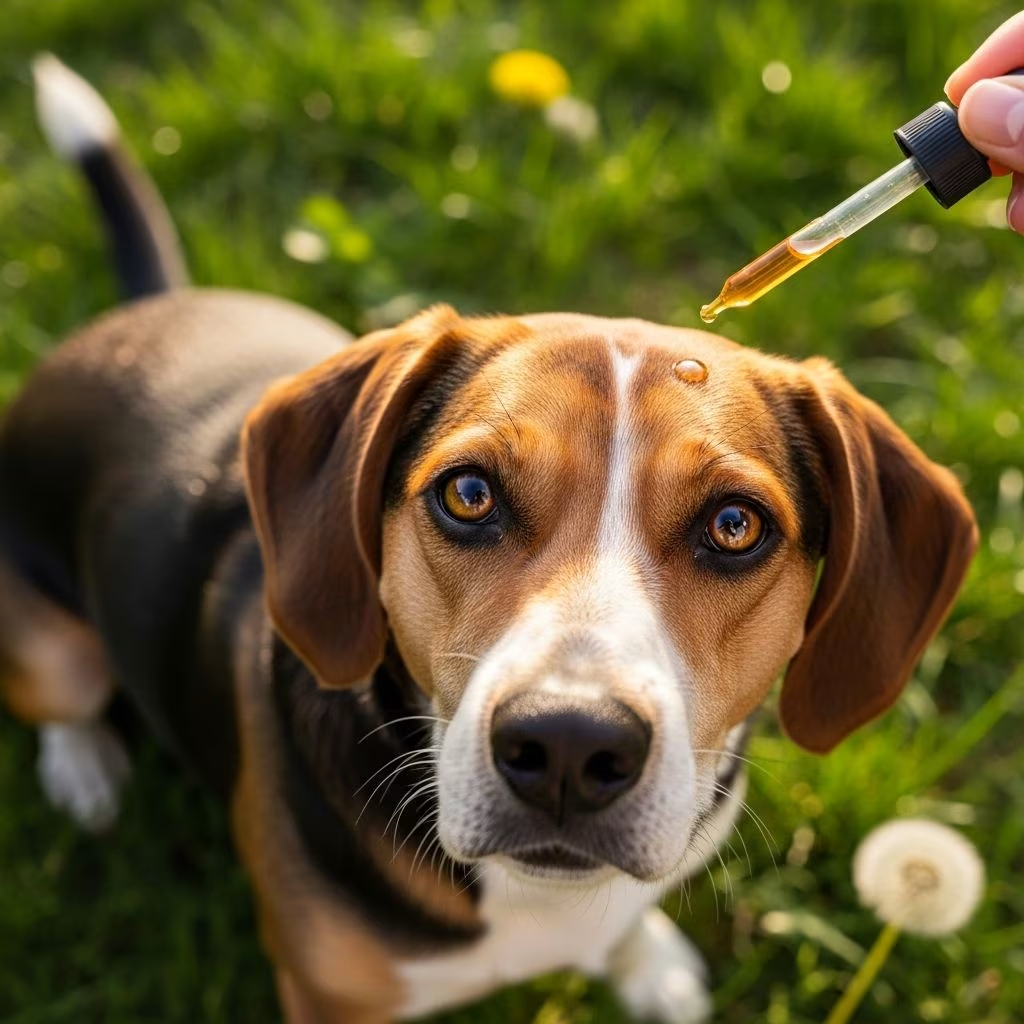
Topical flea treatments offer a convenient way to protect dogs from fleas, ticks, and other parasites by applying a liquid directly to the skin. These spot-on products spread through the dog’s oils, killing pests on contact or repelling them. When chosen and used correctly, they provide reliable defense, but improper selection or application can lead to adverse effects.
Understanding How Topical Flea Products Work
Topical flea treatments contain active ingredients like fipronil, imidacloprid, or selamectin that target the nervous systems of fleas and ticks. Applied between the shoulder blades, the solution absorbs into the skin and migrates across the body. This method ensures protection lasts for 30 days in most cases, covering adult fleas, eggs, larvae, and sometimes additional parasites like heartworms or intestinal worms.
Unlike oral medications, topicals create a reservoir in the skin’s sebaceous glands, continuously releasing the active compound. This sustained release kills pests that come into contact with the treated dog, breaking the flea life cycle effectively.
Factors Influencing Treatment Safety and Choice
Selecting the right topical flea treatment depends on several dog-specific factors to ensure safety and efficacy.
- Age Restrictions: Most products are labeled for dogs over 8-12 weeks old. Puppies younger than this require manual flea combing and bathing instead.
- Breed and Coat Type: Dogs with thick or long fur may need partings to reach the skin; otherwise, the product remains on the hair and loses potency. Breeds sensitive to certain ingredients, like those prone to seizures, need vet clearance.
- Health Status: Sick, pregnant, nursing, or senior dogs face higher risks. Consult a vet before use, as interactions with other medications can occur.
- Lifestyle and Environment: Dogs in tick-heavy areas benefit from broad-spectrum topicals covering multiple parasites.
Veterinarians emphasize tailoring treatments to these variables for optimal safety.
Popular Topical Flea Treatments: Pros and Cons
Several FDA-approved topical options stand out for their safety profiles when used as directed. Here’s a comparison:
| Product | Active Ingredients | Protection Against | Duration | Notes |
|---|---|---|---|---|
| Advantage Multi | Imidacloprid, Moxidectin | Fleas, heartworms, hookworms, whipworms, roundworms, sarcoptic mange | Monthly | Prescription; no tick coverage |
| Frontline Plus | Fipronil, (S)-Methoprene | Fleas, ticks, lice, sarcoptic mange | Monthly | OTC; safe for most dogs |
| Revolution (Selamectin) | Selamectin | Fleas, ticks (some), ear mites, heartworms, sarcoptic mange | Monthly | Prescription; cat-safe version available |
| Bravecto Topical | Fluralaner (Isoxazoline) | Fleas, multiple ticks | 12 weeks | Long-acting; monitor for neuro effects |
These products demonstrate varying spectra of protection, with isoxazolines like fluralaner offering extended coverage but potential neurologic risks in sensitive dogs.
Step-by-Step Guide to Safe Application
Proper application minimizes risks like ingestion or transfer to other pets. Follow these steps:
- Prepare the Area: Choose a calm spot outdoors or on protected surfaces. Read the label fully.
- Weigh Your Dog: Select the dose matching your dog’s weight exactly; overdosing small dogs increases reaction risks.
- Part the Fur: Use fingers or a comb to expose skin at the base of the skull or between shoulders. Squeeze the applicator empty directly on skin, avoiding fur.
- Prevent Licking: Distract your dog for 30 minutes; use an e-collar if needed. Do not bathe for 48 hours.
- Monitor Post-Application: Watch for redness, itching, tremors, or lethargy in the first 24-48 hours.
In multi-pet homes, separate animals until dry (typically 24 hours) to prevent licking.
Recognizing and Managing Side Effects
While rare when used correctly, side effects can include skin irritation, vomiting, diarrhea, or neurologic symptoms like tremors and seizures, especially with isoxazolines. Small dogs (10-20 lbs) and those with pre-existing conditions are most vulnerable.
Immediate Actions if Toxicity Suspected:
- Wash the site with mild dish soap like Dawn and lukewarm water.
- Prevent further exposure and contact your vet or emergency clinic promptly.
- Do not induce vomiting unless instructed.
The FDA notes these products remain safe overall but advises vigilance. Untreated fleas pose greater threats like anemia or tapeworms.
Special Precautions for Households with Cats or Children
Some dog topicals contain permethrin or high pyrethrin levels toxic to cats. Even trace amounts from grooming can cause severe reactions in felines. Opt for cat-safe options like selamectin-based products and separate pets during treatment.
For homes with young children, apply when kids are away and ensure the site dries fully before handling. Store products securely.
Alternatives and Complementary Strategies
Not every dog suits topicals. Oral preventives like Credelio Quattro or Trifexis offer flea/tick/heartworm protection without skin application. Flea collars provide extended wear, though efficacy varies by brand.
Enhance any regimen with:
- Regular vacuuming and washing bedding in hot water.
- Flea combs for early detection.
- Environmental sprays approved for indoor use.
For natural approaches, essential oil sprays (diluted) or diatomaceous earth can supplement but lack full efficacy against ticks.
When to Consult a Veterinarian
Always discuss with a vet before starting, especially for dogs on medications, with seizure history, or in high-risk areas. Vets can prescribe tailored options and monitor for interactions. Parasite prevalence varies regionally, influencing product choice.
Frequently Asked Questions (FAQs)
Can I bathe my dog after applying topical flea treatment?
Wait 48 hours or per label instructions. Use soap-free shampoos thereafter to preserve efficacy.
Are topical flea treatments safe for pregnant dogs?
Consult a vet; many are not recommended without professional advice due to absorption risks.
What if my dog licks the topical spot-on?
Mild effects like drooling may occur. Wash the area and monitor; seek vet care if symptoms persist.
Do topicals protect against all ticks?
Many do, but coverage varies (e.g., Bravecto handles multiple species for 12 weeks).
How often should I reapply?
Monthly for most; some like Bravecto last 3 months.
Long-Term Flea Management Plan
Year-round prevention beats reactive treatment. Combine vet-prescribed topicals with home hygiene for comprehensive control. Regular vet check-ups ensure adjustments for life changes like age or relocation.
By prioritizing safety through informed choices, dog owners can safeguard their pets effectively against parasitic threats.
References
- How To Choose the Safest Flea Treatment for Your Dog — PetMD. 2023-10-15. https://www.petmd.com/dog/general-health/how-choose-safest-flea-treatment-your-dog
- What You Should Know About Flea Product Toxicity in Dogs and Cats — MedVet. 2024-05-20. https://www.medvet.com/know-flea-product-toxicity-dogs-cats/
- Safety Tips for Using Flea and Tick Products on Pets — WebMD. 2023-08-12. https://www.webmd.com/pets/safety-tips-flea-and-tick-products-on-pets
- Fact Sheet for Pet Owners and Veterinarians about Potential Adverse Events Associated with Isoxazoline Flea/Tick Products — FDA. 2024-11-01. https://www.fda.gov/animal-veterinary/animal-health-literacy/fact-sheet-pet-owners-and-veterinarians-about-potential-adverse-events-associated-isoxazoline-flea
- Nontoxic Ways to Protect Your Pet — NRDC. 2023-06-10. https://www.nrdc.org/stories/nontoxic-ways-protect-your-pet
- Safe use of flea and tick preventive products — AVMA. 2024-03-05. https://www.avma.org/resources-tools/pet-owners/petcare/safe-use-flea-and-tick-preventive-products
- Using Flea Medications Safely: Top 5 Tips for Pet Parents — ASPCA. 2024-01-22. https://www.aspca.org/news/using-flea-medications-safely-top-5-tips-pet-parents



