

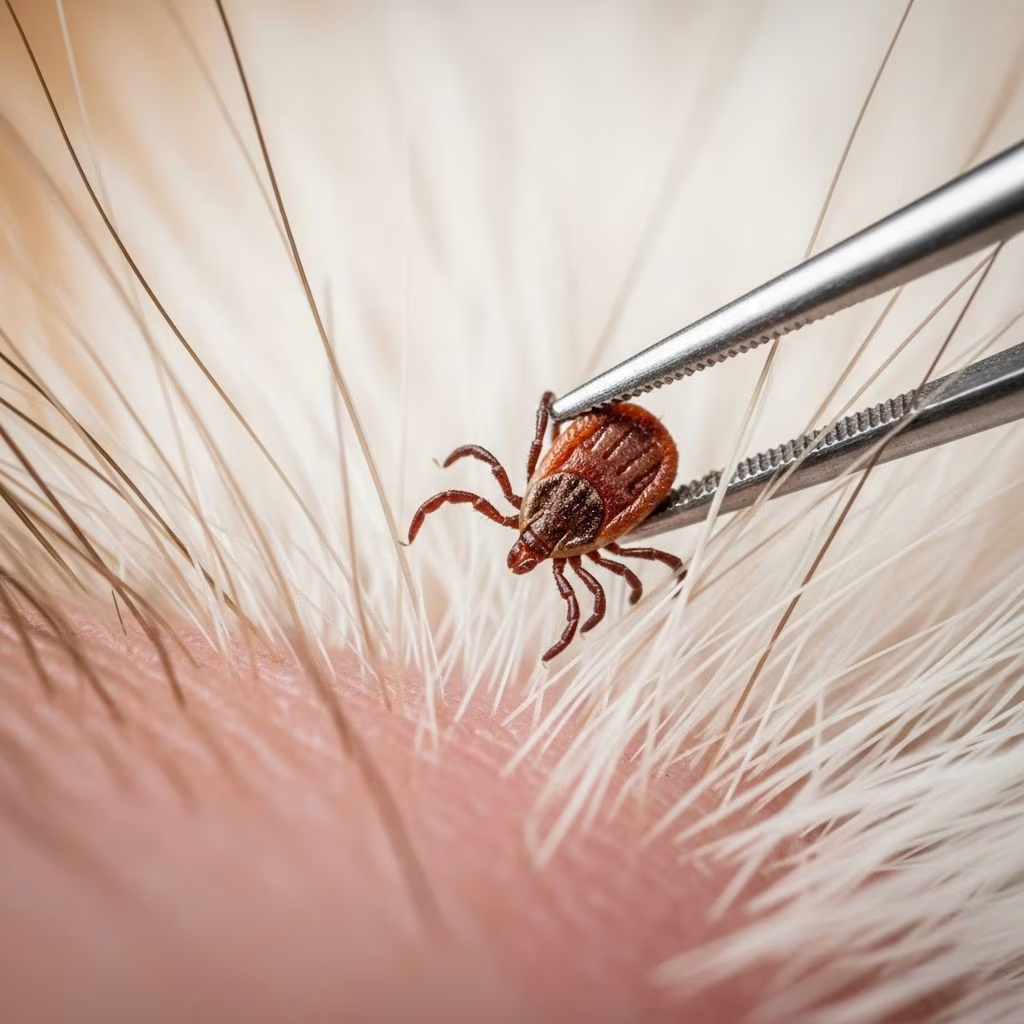
Tick infestations represent a common concern for pet owners, particularly during warmer months when these parasites become more active. Ticks pose significant health risks to both dogs and cats, as they can transmit various diseases including Lyme disease and other tick-borne illnesses. Understanding the correct removal procedures is essential for protecting your pet’s health and preventing complications. Many pet owners attempt removal using ineffective or dangerous methods, which can worsen the situation by causing the tick to release harmful bacteria into your pet’s bloodstream.
Understanding Why Proper Removal Matters
The consequences of improper tick removal extend beyond simple discomfort for your pet. When ticks become stressed or squeezed during removal, they can expel disease-laden saliva directly into the puncture wound, significantly increasing infection risk. The tick’s head contains specialized mouthparts designed to burrow deep into the skin, and leaving any portion embedded can lead to secondary infections, inflammation, and prolonged healing times.
Additionally, attempting removal with harmful methods—such as burning, suffocation with lotion, or aggressive pulling—does not prevent disease transmission and may cause burns, skin damage, or unnecessary trauma. These outdated approaches can also fail to remove the tick entirely, leaving dangerous pathogens in your pet’s body.
Essential Tools and Preparation
Before attempting tick removal, gathering the appropriate supplies ensures a safer, more efficient process. Specialized tick removal devices, available at veterinary clinics, pet supply shops, and online retailers, are designed with the exact anatomy needed to extract ticks without crushing their bodies. These tools feature a notched or hook-shaped design that slides under the tick’s body to provide leverage without applying pressure to the abdomen.
If a specialized tick removal tool is unavailable, fine-tipped tweezers serve as an acceptable alternative, though they are less effective than purpose-built devices. Tweezers increase the risk of crushing the tick or breaking off mouthparts, so they should only be used as a last resort.
Additional supplies to gather include:
- Protective gloves to shield yourself from potential disease transmission
- Rubbing alcohol or an antiseptic solution for cleaning the removal site
- A small container or tissue for disposing of the tick safely
- Soap and water for hand hygiene after the procedure
- Pet-safe antiseptic spray for wound care
Step-by-Step Removal Procedure for Dogs
Removing a tick from your dog requires patience, precision, and a calm approach. Anxious or struggling pets make the process more difficult and increase the risk of complications. Begin by creating a calm environment where your dog feels secure and comfortable.
Step 1: Locate and Expose the Tick
Carefully part your dog’s fur around the tick using both hands or with the assistance of another person. Use water or rubbing alcohol to flatten the hair around the affected area, giving you a clear view of the tick. Since ticks bury their head and mouthparts into the skin while leaving their abdomen exposed, this exposure step is critical for proper removal. Pay special attention to common tick locations including the ears, feet, foot pads, and areas around the neck and face.
Step 2: Prepare Your Tools and Positioning
Put on protective gloves before handling the tick. Position your removal tool or tweezers to access the tick directly at skin level, targeting the point where the tick’s mouthparts penetrate the skin rather than the visible abdomen. This positioning is crucial for avoiding body rupture.
Step 3: Execute the Removal
Slowly and steadily slide your removal tool underneath the tick’s body. For those using a specialized tick hook, follow the manufacturer’s specific instructions, which typically involve a twisting motion in a clockwise direction. Apply gentle, consistent pressure rather than sudden jerking movements. The removal should take several seconds, allowing the tick to gradually release its grip on the skin. Once released, carefully withdraw the tick away from your dog’s body in a smooth, steady motion.
Step 4: Verify Complete Removal
After removal, examine the bite site closely. Ensure the tick’s head is completely detached and no mouthparts remain embedded in the skin. The area should appear clean with no visible tick remnants. If you notice any embedded material, use fine-tipped tweezers to carefully extract it.
Step 5: Clean and Treat the Wound
Gently cleanse the bite area with pet-safe antiseptic spray or soap and water. Apply antiseptic treatment to prevent infection and reduce inflammation. Allow the area to air dry naturally.
Step 6: Dispose of the Tick Safely
Place the tick in a container of rubbing alcohol, which kills it humanely while preventing potential disease transmission. Alternatively, wrap the tick in tissue and flush it down the toilet. Never crush a tick with bare hands or dispose of it in trash where it may survive and escape.
Tick Removal Procedures for Cats
While the fundamental principles of tick removal remain consistent between dogs and cats, feline removal requires additional caution due to cats’ heightened sensitivity and more unpredictable temperament. Cats tolerate handling less readily than dogs, making the process potentially more challenging.
The removal sequence mirrors the canine procedure: locate the tick, expose the area, position your tool at the skin level, apply gentle twisting or steady pulling motions, verify complete removal, and clean the site with appropriate antiseptic. The critical difference lies in handling approach—cats require extra gentleness and reassurance throughout the procedure.
One important caveat for cat owners: avoid using essential oil-based tick treatments or certain natural products, as cats demonstrate extreme sensitivity to these substances. Essential oils present in many natural tick control products can cause serious toxicity in felines, making veterinary-approved medications the safer choice.
Common Mistakes to Avoid
Understanding what not to do proves equally important as knowing proper techniques. The most critical mistakes include:
| Mistake | Why It’s Harmful | Correct Alternative |
|---|---|---|
| Squeezing the tick’s body | Releases disease-laden saliva into the wound | Grasp at skin level and use gentle, steady pressure |
| Twisting violently or jerking | Breaks off mouthparts, leaving them embedded | Use slow, steady rotational or pulling motions |
| Burning the tick | Causes skin burns and releases pathogens | Use mechanical removal tools only |
| Suffocating with lotion or oil | Doesn’t prevent disease transmission and irritates skin | Use specialized removal tools or tweezers |
| Leaving mouthparts behind | Causes infection and prolonged inflammation | Inspect the site carefully after removal |
| Using bare hands | Increases personal disease exposure risk | Always wear protective gloves |
Disposal and Safety Considerations
Proper tick disposal protects both your household and the environment. A tick sealed in a container of rubbing alcohol dies within hours, preventing any possibility of escape or reinfestation. The alcohol method proves particularly effective because it simultaneously kills the tick and prevents bacterial transmission.
If alcohol is unavailable, wrapping the tick firmly in tissue and flushing it down the toilet provides an alternative disposal method, though some experts question whether all ticks die in water treatment systems. Never place a tick in the trash where it may survive and potentially escape. Avoid crushing ticks with your fingers, as this risks accidental pathogen exposure and proves ineffective at killing the parasite quickly.
After handling the tick and removal site, thoroughly wash your hands with soap and water, even if you wore gloves. This additional precaution removes any potential pathogenic organisms that may have contaminated your gloves or skin.
When to Seek Veterinary Assistance
While many tick removals succeed at home, certain situations warrant professional veterinary intervention. Contact your veterinarian if:
- You cannot locate or access the tick on your pet’s body
- Your pet is extremely anxious or aggressive during removal attempts
- You accidentally leave mouthparts or tick remnants embedded in the skin
- The bite site shows signs of infection, swelling, or abnormal discharge following removal
- Your pet exhibits symptoms of tick-borne illness such as lethargy, fever, or limping
- You discover multiple ticks and feel overwhelmed by the removal process
Veterinarians possess professional expertise and specialized tools that allow for safer, more efficient removal, particularly in difficult cases. Additionally, they can provide professional assessment of disease risk and recommend appropriate preventative medications.
Prevention as a Long-Term Strategy
While removal skills prove essential, preventing tick infestations entirely represents the optimal approach. Modern veterinary medicine offers numerous prevention options ranging from topical treatments applied monthly to oral medications administered by a veterinarian. These pharmaceutical interventions work by killing ticks on contact or preventing ticks from establishing attachment.
Natural prevention approaches include dietary supplements containing herbs such as garlic, neem, and peppermint that may make your pet less attractive to ticks. However, these methods generally prove less reliable than pharmaceutical options and require consistent implementation.
Environmental management also contributes to prevention—keeping your yard trimmed, removing leaf litter where ticks hide, and creating barriers between wildlife corridors and your property reduces tick exposure. Regular brushing and inspection of your pet’s coat increase early detection chances, allowing you to address infestations before numerous ticks establish.
Frequently Asked Questions
Can I remove a tick with my bare hands?
No. Always wear protective gloves when handling ticks, as they can transmit diseases to humans. Direct contact increases your infection risk significantly.
How long does tick removal take?
Proper removal typically requires 30 seconds to two minutes. Rushing the process increases the likelihood of complications, so patience is essential.
What if the tick head breaks off inside my pet?
If mouthparts remain embedded, attempt careful removal with fine-tipped tweezers. If unsuccessful, contact your veterinarian, who can extract the material under proper conditions.
Is it dangerous if I twist the tick during removal?
Gentle twisting motions performed with proper tools are actually recommended techniques. Violent twisting or jerking, however, can break off mouthparts.
How often should I check my pet for ticks?
During tick season, perform thorough inspections at least twice weekly. After outdoor activities in wooded areas, check immediately upon returning home.
References
- Blue Cross — Blue Cross. 2024. https://www.bluecross.org.uk/advice/dog/health-and-injuries/ticks-on-dogs
- How to Remove a Tick from a Dog — The Right Way — Elanco Animal Health. 2024. https://yourpetandyou.elanco.com/us/parasites/ticks/how-to-remove-a-tick-from-a-dog-the-right-way
- Ticks on dogs and cats — RSPCA. 2024. https://www.rspca.org.uk/adviceandwelfare/pets/general/ticks
- What are some tricks to get rid of ticks? — Tuscawilla Animal Hospital. 2024. https://tuscawillavet.com/what-are-some-tricks-to-get-rid-of-ticks/
- Tick Removal — Animal Medical Hospital. 2024. https://www.vet.bc.ca/remove-ticks.pml



