

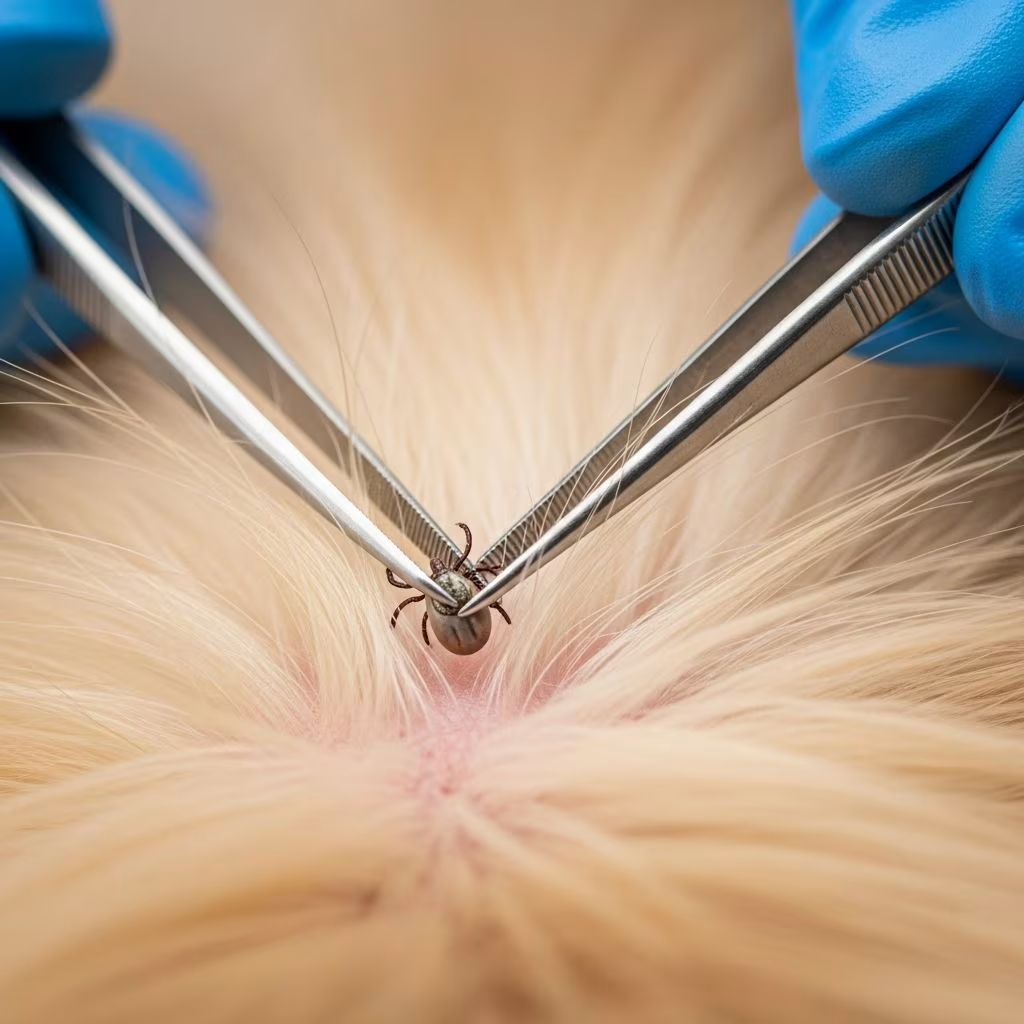
Ticks pose a significant threat to pets, transmitting diseases such as Lyme disease, babesiosis, and Rocky Mountain spotted fever through their bites. Prompt and proper removal minimizes these risks. This guide details effective strategies, tools, and aftercare for pet owners.
Understanding the Tick Threat to Your Furry Friends
Ticks thrive in wooded, grassy areas and attach to pets during outdoor activities. Deer ticks, common in the Northeast, are primary carriers of Lyme disease. Nymph-stage ticks, tiny and hard to spot, heighten the danger as they often go unnoticed. Regular checks after walks are crucial, focusing on ears, armpits, groin, and between toes.
Diseases spread when ticks feed for 24-48 hours, regurgitating infected fluids. Early detection prevents this. Pets may show lethargy, fever, or limping post-bite, but many infections are asymptomatic initially.
Essential Tools for Effective Tick Extraction
Invest in quality tools to ensure safe removal without leaving mouthparts embedded.
- Fine-tipped tweezers: Precision grasp near the skin without squeezing the body.
- Tick removal hooks or graters: Slide under the tick and lift steadily; ideal for pets with sensitive skin.
- Magnifying glass or tick key: Aids visibility for small ticks.
- Disinfectants: Rubbing alcohol, soap, and antiseptic wipes for cleaning.
- Gloves: Protect handler from zoonotic risks.
Avoid blunt tools that crush the tick, increasing infection chances.
Step-by-Step Process for Removing Ticks from Pets
Follow these steps calmly to avoid stressing your pet.
- Prepare the area: Restrain pet gently; use treats for cooperation. Good lighting essential.
- Grasp correctly: With fine tweezers, pinch tick’s head close to skin. Never squeeze abdomen.
- Pull steadily: Apply even, upward pressure without twisting or jerking. Patience key; tick releases naturally.
- Check completeness: Inspect for mouthparts. If broken, attempt gentle removal; body expels rest like splinter.
- Clean immediately: Wash bite with soap/water or alcohol. Apply antibiotic ointment.
For hard-to-reach spots, sedate if vet advised, or seek professional help.
Dangerous Myths and Methods to Avoid
Folk remedies harm more than help by prompting ticks to vomit pathogens.
| Myth | Why It Fails | Safe Alternative |
|---|---|---|
| Petroleum jelly or soap-soaked cotton | Tick regurgitates contents, raising infection risk. | Tweezers pull method. |
| Nail polish or essential oils | Suffocates tick, causing it to release bacteria. | Steady extraction. |
| Burning or freezing | Terrifies pet; incomplete removal. | Tool-based removal. |
| Crushing with fingers | Exposes bacteria; spreads disease. | Sealed disposal. |
These prolong attachment, worsening outcomes.
Post-Removal Care and Monitoring
After extraction:
- Save tick in sealed jar with alcohol for ID if symptoms arise.
- Photograph for vet reference.
- Monitor bite 30 days for rash, fever, swelling.
- Watch pet behavior: appetite loss, joint pain signal vet visit.
Prophylactic antibiotics sometimes prescribed; consult vet. Full tick check post-outdoors prevents re-infestation.
Tailoring Removal for Dogs vs. Cats
Dogs tolerate handling better; use firm restraint. Cats squirm—wrap in towel, expose only bite area. Small breeds need extra care to avoid injury. Puppies/kittens: Use credit card edge for nymphs.
Preventing Future Tick Attachments
Proactive measures reduce encounters.
- Topicals/orals: Flea/tick preventives kill on contact.
- Yard maintenance: Mow grass, clear leaf litter.
- Daily checks: Comb fur thoroughly.
- Apparel: Tick collars, sprays for hikes.
Vet-recommended products most effective.
When to Call the Veterinarian
Seek immediate care if:
- Mouthparts won’t dislodge.
- Bite site infects (pus, extreme swelling).
- Pet develops bullseye rash, lameness, fever.
- Tick engorged >24 hours.
Testing saved ticks confirms disease risk.
Frequently Asked Questions
What if the tick head stays in my pet’s skin?
Don’t dig; skin sheds it naturally. Clean and monitor.
How long after bite do symptoms appear?
3-30 days for Lyme; watch closely.
Are tick tools better than tweezers for pets?
Tools reduce squeeze risk; both work if used right.
Can I bathe my pet right after removal?
Wait 24 hours; monitor wound first.
Do all ticks carry disease?
No, but assume risk; remove promptly.
Advanced Tips from Veterinary Experts
For heavy infestations, professional grooming safer. Use LED tick removers for precision. Educate family on techniques for consistency.
In tick-heavy regions, baseline bloodwork pre-season baselines health.
References
- What to Do After a Tick Bite — Centers for Disease Control and Prevention. 2023. https://www.cdc.gov/ticks/after-a-tick-bite/index.html
- Lyme disease: How to remove a tick — Government of Canada, Public Health Agency. 2024-01-15. https://www.canada.ca/en/public-health/services/diseases/lyme-disease/removing-submitting-ticks-testing.html
- How to Remove a Tick Safely — Northwestern Medicine. 2023-05-10. https://www.nm.org/healthbeat/healthy-tips/how-to-remove-a-tick-safely
- How to Safely Remove Ticks — Yale New Haven Health. 2024. https://www.ynhhs.org/perspectives/how-to-remove-ticks
- Removing Ticks: The Dos and Don’ts — Children’s Hospital of Philadelphia. 2023-06-20. https://www.chop.edu/news/health-tip/removing-ticks-dos-and-don-ts



