

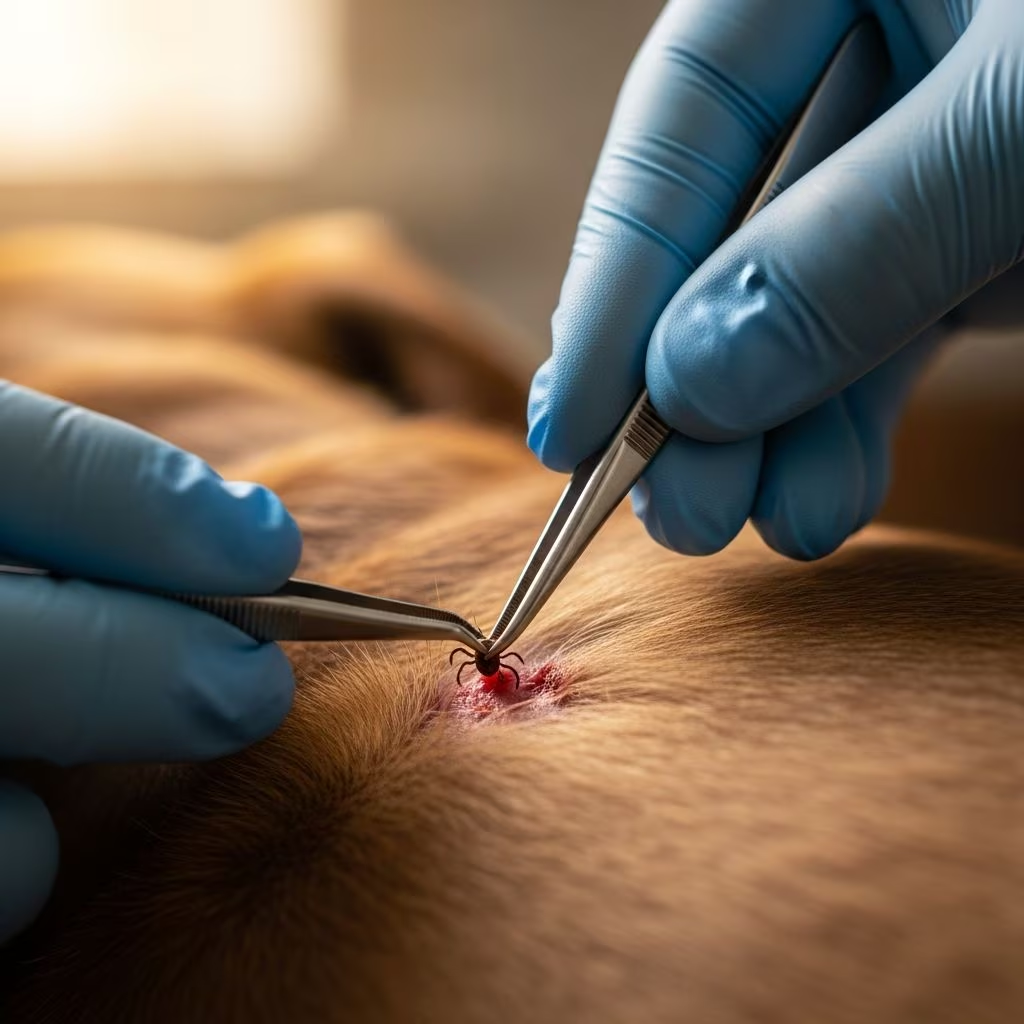
Ticks pose significant health risks to dogs, transmitting diseases like Lyme disease and Rocky Mountain spotted fever through bites. Proper removal techniques minimize infection chances and ensure complete extraction without leaving mouthparts embedded in the skin. This guide provides detailed, reliable methods based on veterinary recommendations to handle ticks effectively at home.
Understanding Tick Risks to Canine Health
Ticks latch onto dogs during outdoor activities, embedding their mouthparts to feed on blood. This process can last days, increasing disease transmission odds. Common U.S. ticks include the black-legged (deer) tick, American dog tick, and brown dog tick, each carrying pathogens that cause fever, lethargy, joint pain, and anemia in pets. Early detection through daily checks after walks or hikes is crucial, focusing on hidden areas like ears, armpits, groin, and between toes.
Essential Tools for Effective Tick Extraction
Gathering the right equipment beforehand ensures a smooth process. Here’s a curated list of must-haves:
- Fine-tipped tweezers or tick removal hook: Precision tools grasp the tick near the skin without crushing the body, reducing toxin release.
- Disposable gloves: Latex or nitrile varieties protect handlers from zoonotic diseases like ehrlichiosis.
- Antiseptic solution: Rubbing alcohol or chlorhexidine cleans tools and bite sites effectively.
- Sealed container: A small jar with alcohol preserves the tick for veterinary identification if symptoms arise.
- Pet treats and distractions: Keep your dog calm during the procedure.
Avoid household items like matches, petroleum jelly, or nail polish, as they irritate the tick, prompting it to regurgitate pathogens into the wound.
Preparing Your Dog and Workspace
Before starting, calm your dog with treats or a favorite toy to minimize movement. Work in a well-lit area, parting fur to expose the tick fully. For sensitive spots near eyes or mouth, apply pet-safe lubricant to protect mucous membranes. Sterilize tools by wiping with alcohol and let dry. Have all supplies within reach to maintain focus and safety.
Precise Step-by-Step Tick Removal Process
Follow these veterinarian-approved steps for optimal results:
- Don gloves and steady your pet: Position the dog comfortably, using an assistant if needed for larger breeds.
- Disinfect the site: Swab the tick area and surrounding skin with alcohol to reduce bacterial introduction.
- Grasp correctly: Slide tweezers or hook under the tick, pinching as close to the skin surface as possible—target the mouthparts, not the swollen abdomen.
- Extract steadily: Pull upward with even, gentle pressure. Hold for 10-30 seconds without twisting, jerking, or squeezing to avoid breaking the tick.
- Inspect the site: Confirm no mouthparts remain; a small red mark is normal, but embedded pieces require veterinary attention.
- Preserve the tick: Drop it into a jar of rubbing alcohol, noting the date and location found for potential testing.
- Clean thoroughly: Reapply antiseptic to the bite, then wash hands and tools. Optionally, apply antibiotic ointment.
If the tick resists or mouthparts break off, attempt careful extraction with tweezers; otherwise, consult a vet promptly to prevent abscesses.
Common Mistakes and How to Avoid Them
| Mistake | Risk | Correct Approach |
|---|---|---|
| Squeezing the body | Releases infectious fluids | Grasp only near skin |
| Twisting or yanking | Leaves mouthparts embedded | Straight, slow pull |
| Using bare hands | Exposes human to diseases | Always wear gloves |
| Improper disposal | Tick survives and reattaches | |
| Ignoring remnants | Causes local infection | Check and vet if needed |
Steer clear of myths like smothering with substances—these prolong attachment and heighten risks.
Post-Removal Monitoring and Care
Observe the bite site for 2-4 weeks for redness, swelling, limping, or fever. Track symptoms like appetite loss or lethargy, which signal tick-borne illnesses. Save the tick for species ID, as some require prophylactic antibiotics. Schedule a vet visit for blood tests if exposure was in high-risk areas. Most bites heal uneventfully with proper care.
Preventing Future Tick Infestations
Proactive measures keep ticks at bay:
- Daily full-body checks: Especially after wooded or grassy outings.
- Veterinary preventives: Oral, topical, or collar products like isoxazolines or fipronil kill ticks on contact.
- Yard maintenance: Mow grass short, remove leaf litter, and create tick barriers with mulch.
- Environmental repellents: Use cedar oil sprays or diatomaceous earth in yards (pet-safe formulas only).
- Avoid peak seasons: Spring through fall in temperate regions; year-round in warmer climates.
Combine methods for layered protection, consulting your vet for tailored recommendations based on location and lifestyle.
Diseases Transmitted by Ticks to Dogs
Ticks vector multiple pathogens:
- Lyme disease: Bacterial infection causing arthritis; prevalent in Northeast U.S.
- Anaplasmosis/Ehrlichiosis: Fever, thrombocytopenia; treatable with doxycycline
- Babesiosis: Red blood cell destruction leading to anemia.
- Rocky Mountain spotted fever: Vascular damage; rapid progression.
Vaccination for Lyme is available for at-risk dogs. Early intervention improves outcomes dramatically.
When to Seek Professional Veterinary Help
DIY removal suits most cases, but call your vet if:
- Mouthparts are left behind.
- Tick was engorged (fed >24 hours).
- Bite site shows pus, heat, or expanding rash.
- Dog exhibits systemic signs post-removal.
- Multiple ticks are present.
Professionals use magnification and sedation for tricky extractions, plus testing.
Frequently Asked Questions (FAQs)
What if I can’t remove the whole tick?
Don’t panic—clean the area and see a vet. They can extract remnants safely without forcing it yourself.
How long after a bite do symptoms appear?
Days to months; monitor closely for 30 days minimum.
Can ticks jump or fly onto dogs?
No, they quest from vegetation, waiting for hosts to brush by.
Is tick removal painful for dogs?
Minimal if done gently; distraction helps.
Should I test every tick?
Not routinely, but save suspicious ones for vet review.
Seasonal and Regional Tick Awareness
Ticks thrive in humid, wooded environments. Map local risks via apps or county health reports. In 2026, warmer trends expand ranges, demanding vigilant prevention year-round.
References
- Tick Removal Guide for Dogs — Willoughby Veterinary Hospital. Accessed 2026. https://willoughbyveterinaryhospital.com/%F0%9F%90%BE-tick-removal-guide-for-dogs/
- Safely Removing a Tick From Your Pet — Emergency Veterinary Hospital. 2020-06-12. https://emergencyvetannarbor.com/blog/safely-removing-a-tick-from-your-pet/
- How to Remove a Tick from Your Dog — American Kennel Club. Accessed 2026. https://www.akc.org/expert-advice/health/how-to-remove-tick-from-dog/
- Checking for and removing ticks — Merck Animal Health USA. Accessed 2026. https://www.merck-animal-health-usa.com/pet-owners/pet-health/fleas-ticks/checking-for-and-removing-ticks/
- Ticks on dogs | How to remove a tick from a dog — Blue Cross. Accessed 2026. https://www.bluecross.org.uk/advice/dog/health-and-injuries/ticks-on-dogs
- Tick Removal: What You Need to Know — East Sac Vet. Accessed 2026. https://www.eastsacvet.com/blog/tick-removal-what-you-need-to-know/
- Preventing Ticks on Pets — Centers for Disease Control and Prevention (CDC). Accessed 2026. https://www.cdc.gov/ticks/prevention/preventing-ticks-on-pets.html



